Buffalo Outdoor · Owner, certified applicator TPCL #0822926 · 2026-04-21
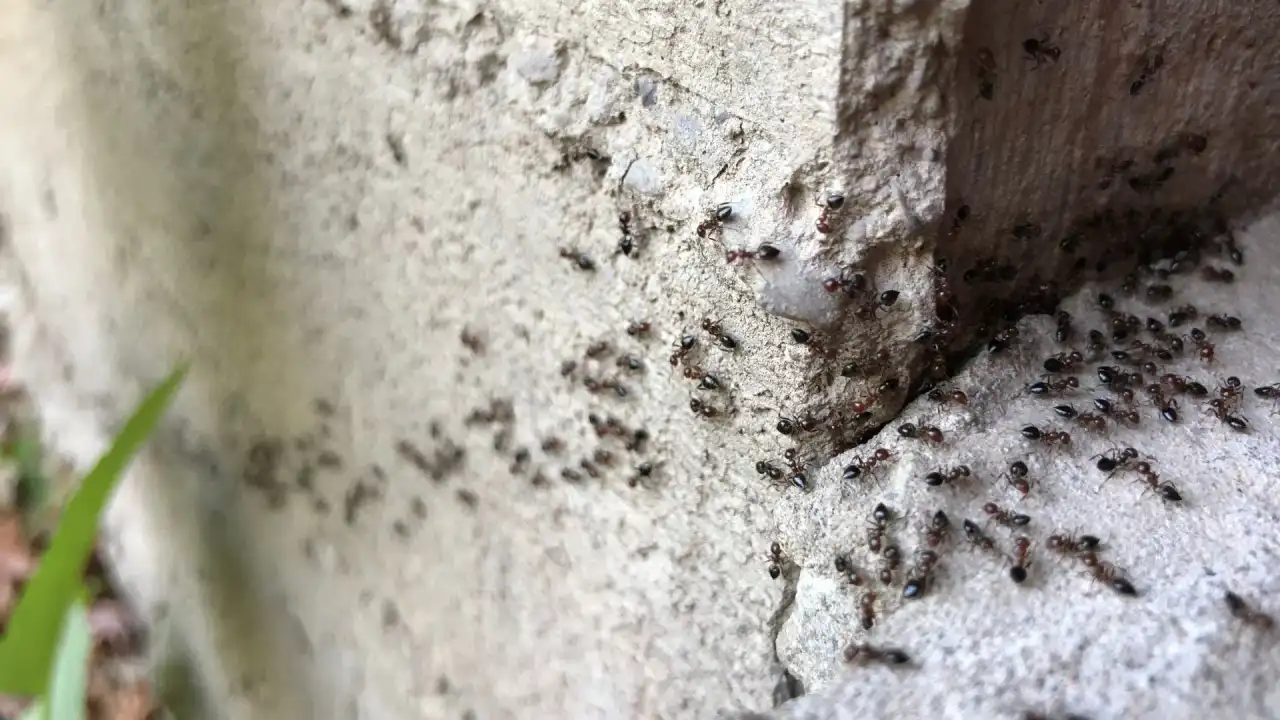
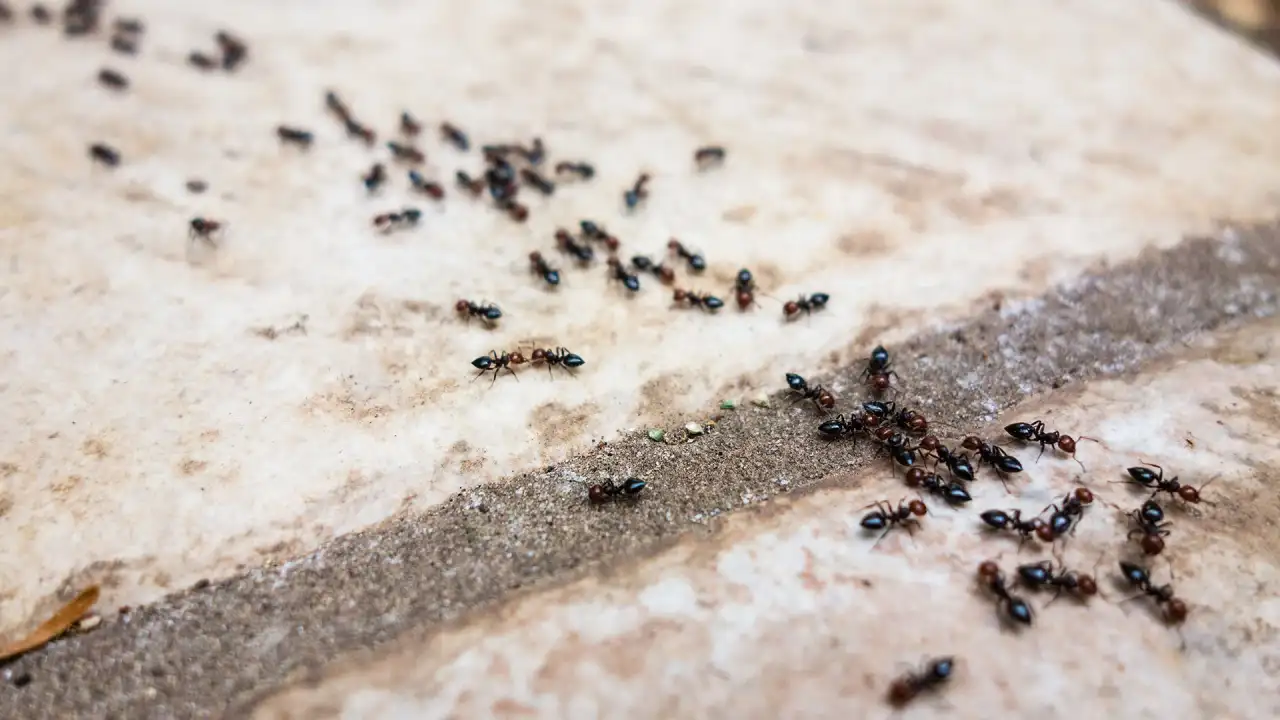
A mound drench kills workers quickly and often misses the queen, who relocates and rebuilds nearby. Broadcast bait is carried underground and fed to the queen, ending the colony in two to three weeks. Bait is slower, less satisfying, and the only one that finishes the job.
How each one works
A drench pours liquid insecticide into the mound, killing what it contacts. Bait is a granular food carrier with a slow-acting active ingredient. Foragers treat it as food, take it below and distribute it through the colony, including to the queen.
Why speed is the wrong metric
People judge fire ant treatment on how fast the mound stops moving, which rewards exactly the wrong approach. A drench looks decisive on day one. Bait looks like nothing happened for a week. Three weeks later the bait yard has no colonies and the drenched yard has more mounds than it started with.
When a drench does make sense
If there is a mound in a spot that genuinely cannot wait, such as right where a toddler plays or against a doorway, treating it directly is reasonable as a stopgap. Just understand that it is buying you a few days and not solving the property.
Doing bait properly
- Broadcast across the entire yard, not just where mounds are visible
- Apply when ants are actively foraging, which means spring and fall here
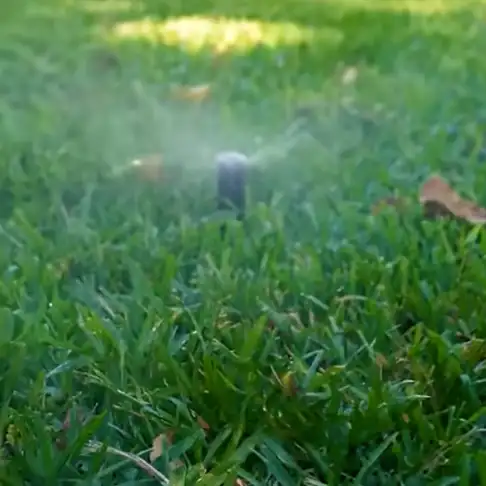
- Give it a dry window of about 24 hours
- Do not water it in, which is the opposite of grub treatment
- Expect two to three weeks before mounds stop rebuilding
TDA-licensed, up-front pricing, and service warrantied between treatments. Call or text (817) 984-8611.
Get my price