BROWN GRASS, TWO CAUSES
Is your Keller lawn dying of heat or of insects?
Start by working out which half of Keller you live in, because it changes the answer. The newer streets off Keller Haslet Road sit on thin canopy and heavy clay with young builder St. Augustine, and that combination is chinch bug country. The shaded older sections near Bear Creek, under forty-year-old oaks and pecans, almost never are.
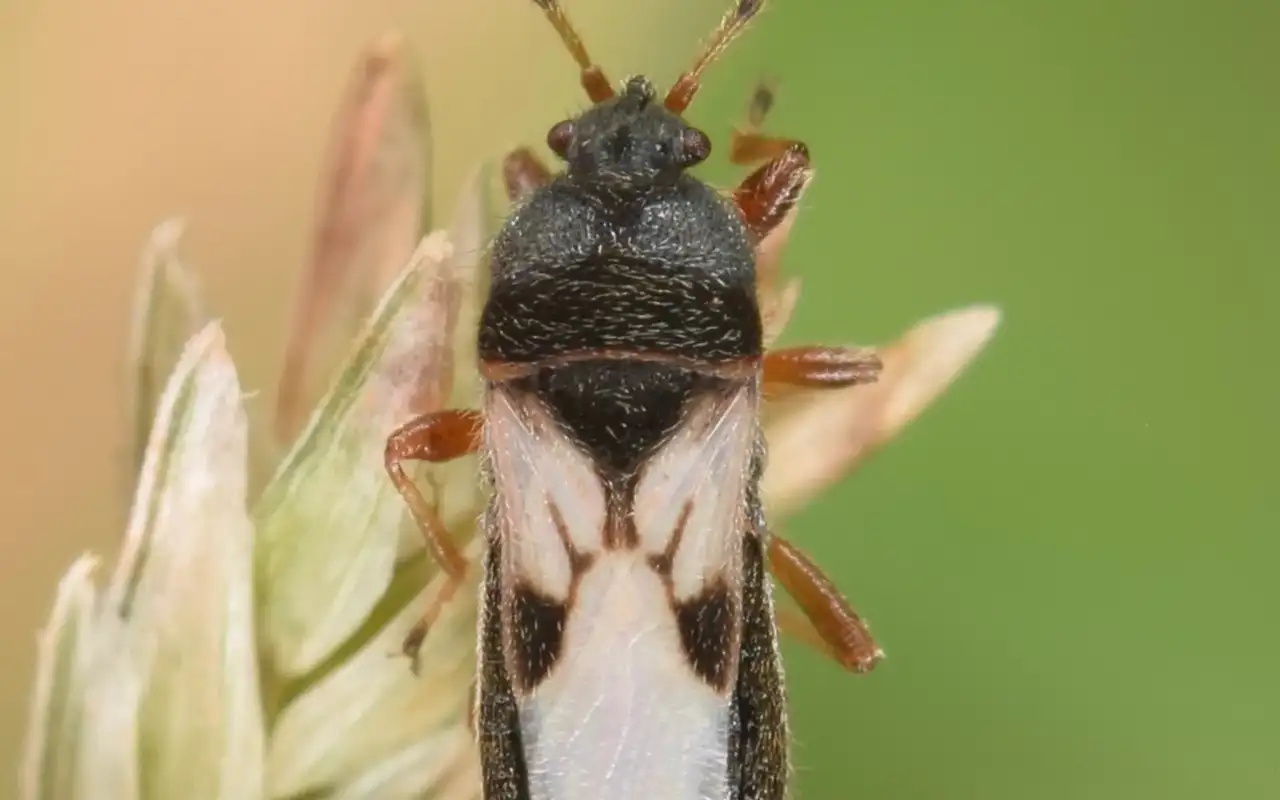
Chinch bugs feed on the blade and inject a toxin that shuts down water movement inside the plant, so the grass browns exactly the way drought-stressed grass browns. The difference is that watering fixes drought and does nothing whatsoever to an infestation. Four of the seven things that commonly brown a North Texas lawn in July are not insects at all, which is why we test before we spread anything.
WHAT IT COSTS IN KELLER
How lawn insect coverage gets priced
Turf insects are not sold on their own, here or anywhere else we work. They ride on a year-round plan that is priced on the square footage of the house rather than the yard. Complete Home & Lawn Defense covers the entire lawn at $40 to $73.50 a month, and Home Defender is $30 to $54 a month with the applicable lawn treatment carried out to roughly 25 feet from the wall.
Keller's newer builds tend to be large, so plenty of homes land in the $51.50 to $62 band on the whole-yard plan. A modest older place near Bear Creek Park may sit at $40. Anything past 6,000 square feet is quoted individually, and you see your number before you agree to anything.
1,500 sq ft or less
$40/mo
Complete Home & Lawn Defense, whole yard
3,000 to 4,500 sq ft
$51.50–$62/mo
Where many newer Keller builds land
4,500 to 6,000 sq ft
$62–$73.50/mo
Home Defender is $46 to $54 for the same house
Over 6,000 sq ft
Quoted
Larger properties are priced individually
Every number on this page comes from our published price list. Keller homes get the same table as everyone else; the instant quote reads your square footage and lot size and hands you your own line.
WHERE THIS FALLS SHORT
What a lawn insect treatment will not do for you
It will not green your grass back up. We kill the insect; the recovery after that is a turf job of watering, fertility and sometimes cutting out and resodding the worst strips. Expect to be told that plainly rather than sold a second application.
It does nothing if the trouble is fungal or if you are simply under-watering. Brown patch and dollar spot show up in the same Keller Julys, and an insecticide is useless against either. When the field tests come back clean we say so and sell you nothing.
And it cannot beat the calendar on grubs. A larva found small in late summer dies easily, while the same larva in October is large, sitting deep in the root zone and much harder to reach. Product applied at the wrong depth in the wrong month is money burned.
FREE TEST VS PAID SPRAY
Run the two tests first, then decide whether to call
Both diagnostic tests cost nothing and you can do them this evening. For grubs, grip the grass at the edge of a brown patch and tug: healthy turf holds, grub-chewed turf peels up like loose carpet, and more than five white C-shaped larvae under a square foot is worth treating. For chinch bugs, cut both ends out of a coffee can, sink it two inches into the soil where green meets brown, keep it full of water for ten minutes and watch what rises.
Doing that before you call anybody is the fairest comparison available. A good number of Keller homeowners run the tests, find nothing and fix a sprinkler head instead, which is a better outcome than any treatment we could sell them. If the bugs are there, the same tests tell us which insect we are chasing and which soil depth to aim at.
THE FIRST APPOINTMENT
What we look at on a Keller lawn
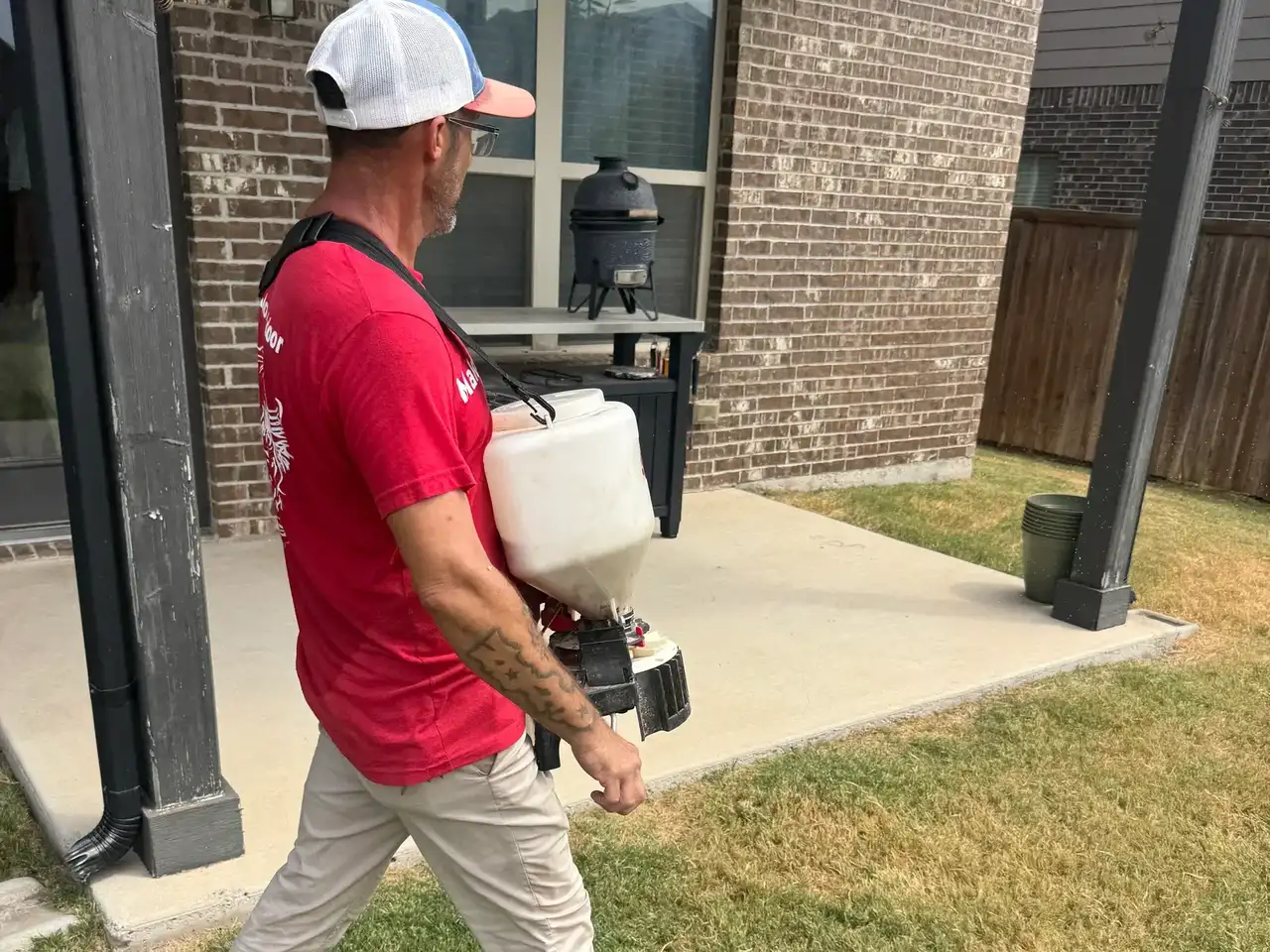
The hot edges first
Chinch damage starts in the strips that bake: along driveways, sidewalks and south-facing walls. We walk those before anything else, because that is where the green-to-brown boundary worth testing shows up.
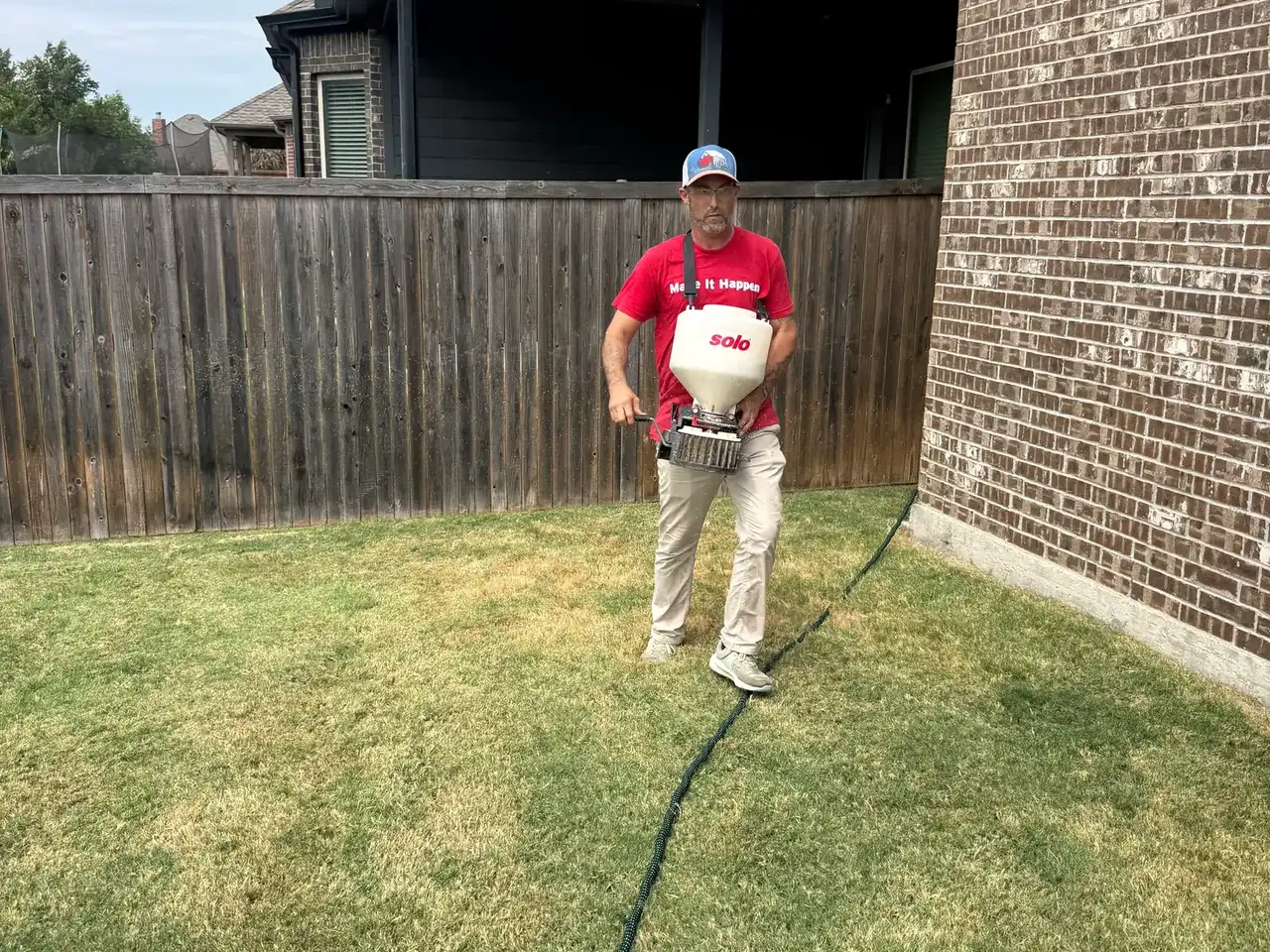
A spade in the root zone
For grubs we cut and fold back a square of turf and count larvae at two to four inches down. Numbers matter here. A couple of grubs is ordinary in any lawn and not a reason to treat it.
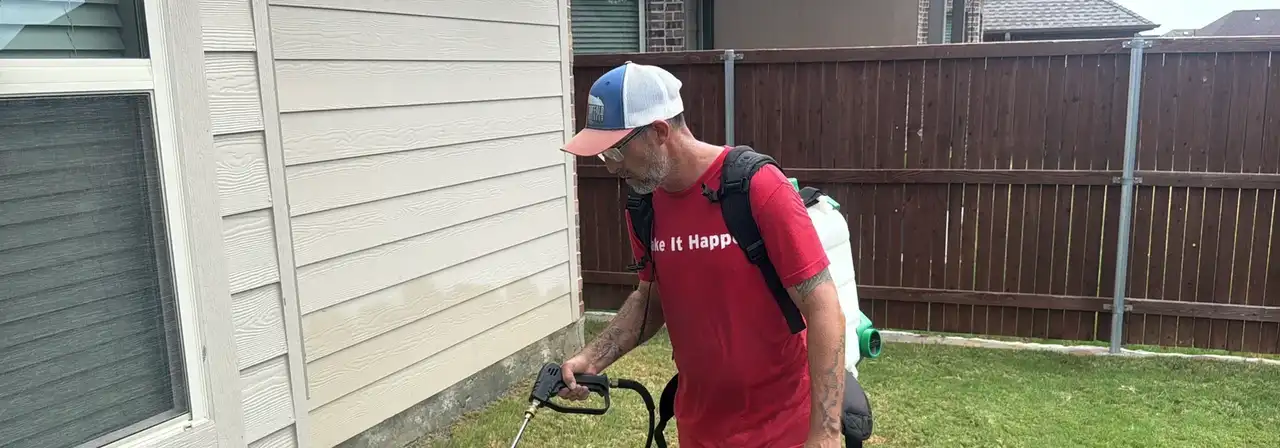
The rest of the plan
Because this rides on a year-round plan, the same appointment covers the foundation band, the eaves and Delta Dust in the weep holes. Fire ant bait goes out across the yard too, which counts for something on the newer clay north and west of town.