RODENTS IN KELLER
Why do Keller homes near Bear Creek get rats every fall?
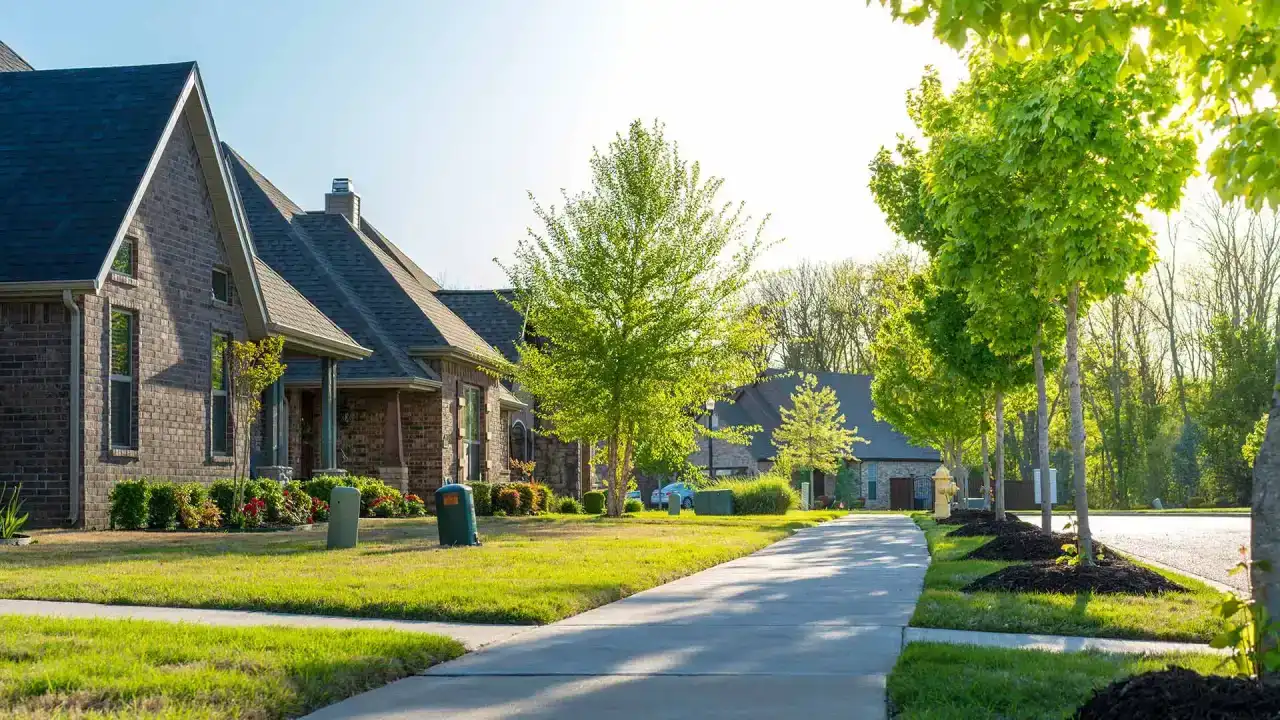
Because the creek corridor feeds and shelters them all summer, and the first cool nights in October push them toward the nearest warm wall. The older streets around Bear Creek sit under forty-year-old oaks and pecans, and a limb resting on a roof is a highway for a roof rat. Once it is on the shingles it only needs a gap at the fascia or a torn soffit screen to be in the attic.
The newer Keller builds off Keller Haslet Road have a different problem. The brick is tight, but the garage-door corners, the hole where the AC line set enters the wall and the unfinished edges of the water-heater closet are open from the day the house is sold. Mice do not need much more than a pencil-width crack.
Either way, our answer is the same order of work: find the openings they are using, close them, trap what is already inside, and come back to confirm it worked.
WHAT IT COSTS IN KELLER
Rodent control adds $25 a month to a year-round plan
The rodent add-on is $25 a month on top of Home Defender or Complete Home & Lawn Defense, and it is not sold on its own. A typical Keller home in the 1,500 to 3,000 square foot range pays $33 to $38 a month for Home Defender, so with rodents the total lands between $58 and $63.
Bigger houses in the 3,000 to 4,500 range, which describes a lot of the newer Keller stock, run $38 to $46 for the base plan. What changes on the rodent side is not the bill but how much sealing there is to do; a house with ten open weep holes and a lifted garage seal takes longer on the first visit than one with two gaps.
Rodent add-on
$25 a month
On top of either year-round plan, never alone
Home Defender, 1,500–3,000 sq ft
$33–$38 a month
Most of the established Keller streets
Home Defender, 3,000–4,500 sq ft
$38–$46 a month
The larger newer builds off Keller Haslet Road
Complete Home & Lawn Defense
$40–$73.50 a month
If you want the whole yard treated too
Every number on this page comes from our published price list. Keller homes get the same table as everyone else; the instant quote reads your square footage and lot size and hands you your own line.
WHAT IT WILL NOT DO
The honest limits of rodent work in Keller
We cannot seal a house that is still being fed from the outside. If the bird feeder stays full, the dog food lives in an open bag in the garage and the pecans are left on the ground under the trees, you will keep drawing rats to the yard no matter how good the exclusion is.
We also cannot trim your trees. On the Bear Creek streets, the single most useful thing a homeowner can do is get every limb a few feet off the roof line, because that is the route rats use to reach the attic. Door sweeps are the same story: we will point out the daylight under your garage door, but replacing the seal is your job or your handyman's.
And rodent work is never a spray. Nothing in the perimeter treatment repels a rat, so if someone offers to fog your yard for mice, they are selling you the wrong product. This is a carpentry-and-traps problem.
DIY OR THE ADD-ON
Hardware-store traps versus the add-on
If you have one mouse and you know where it is coming in, a couple of snap traps and a tube of sealant will probably do it, and we would tell you that on the phone. The add-on earns its price when there is a population, when the entry points are up at the roof line, or when the activity keeps coming back every fall.
The difference on a Keller home is the inspection. Most homeowners find the droppings in the pantry and set traps there, but the animal is coming in thirty feet away at a weep hole behind the shrubs or at a gap under the eaves. Finding the real door and closing it is what stops the cycle; the traps only clean up what is already inside.
THE FIRST VISIT
What we look at on a Keller house
The roof line and the trees
On the canopy streets near Bear Creek we start by looking up. Limbs touching the roof, gaps at the fascia, torn soffit screens and open ridge vents are the roof rat routes, and we note each one for you.

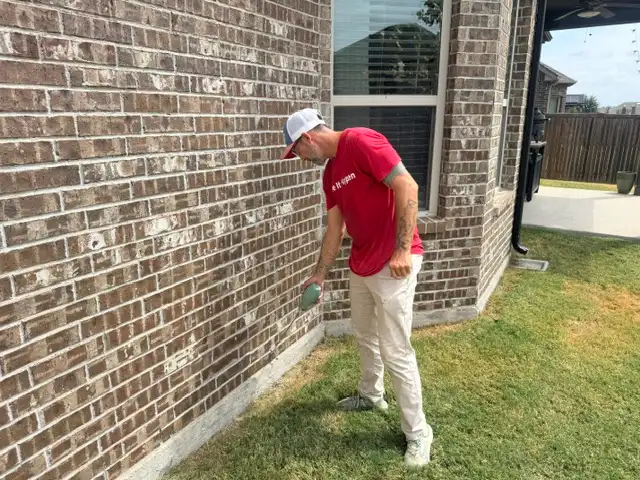
The bottom course of brick
Every weep hole gets checked for gnaw marks and grease rub. The ones showing use get packed with copper mesh as part of the exclusion work, and the rest get Delta Dust on the regular plan visits.
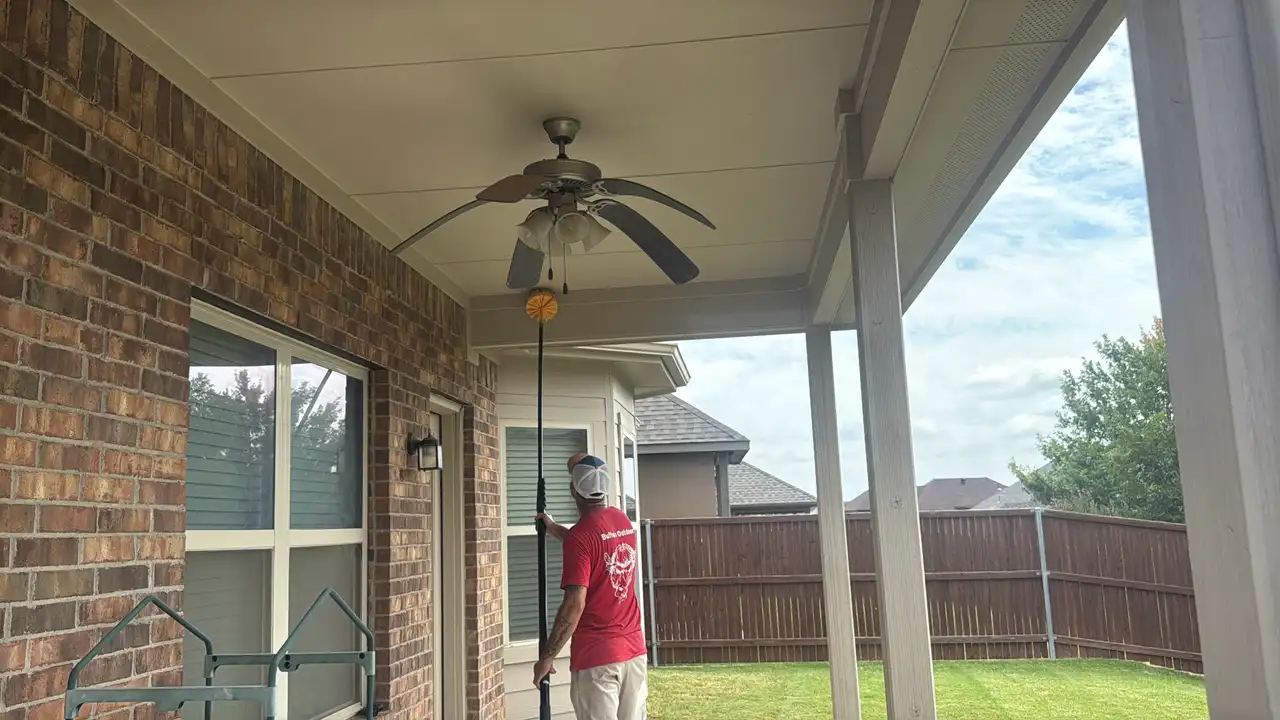
Garage, utilities and the attic
The garage-door corners, the AC line set, the dryer vent and the water-heater closet are the common ground-level routes on newer Keller builds. Inside, we check the attic for runways and nesting so the traps go where the animals actually travel.