NEW TURF, NEW PROBLEM
Why brand new lawns brown first
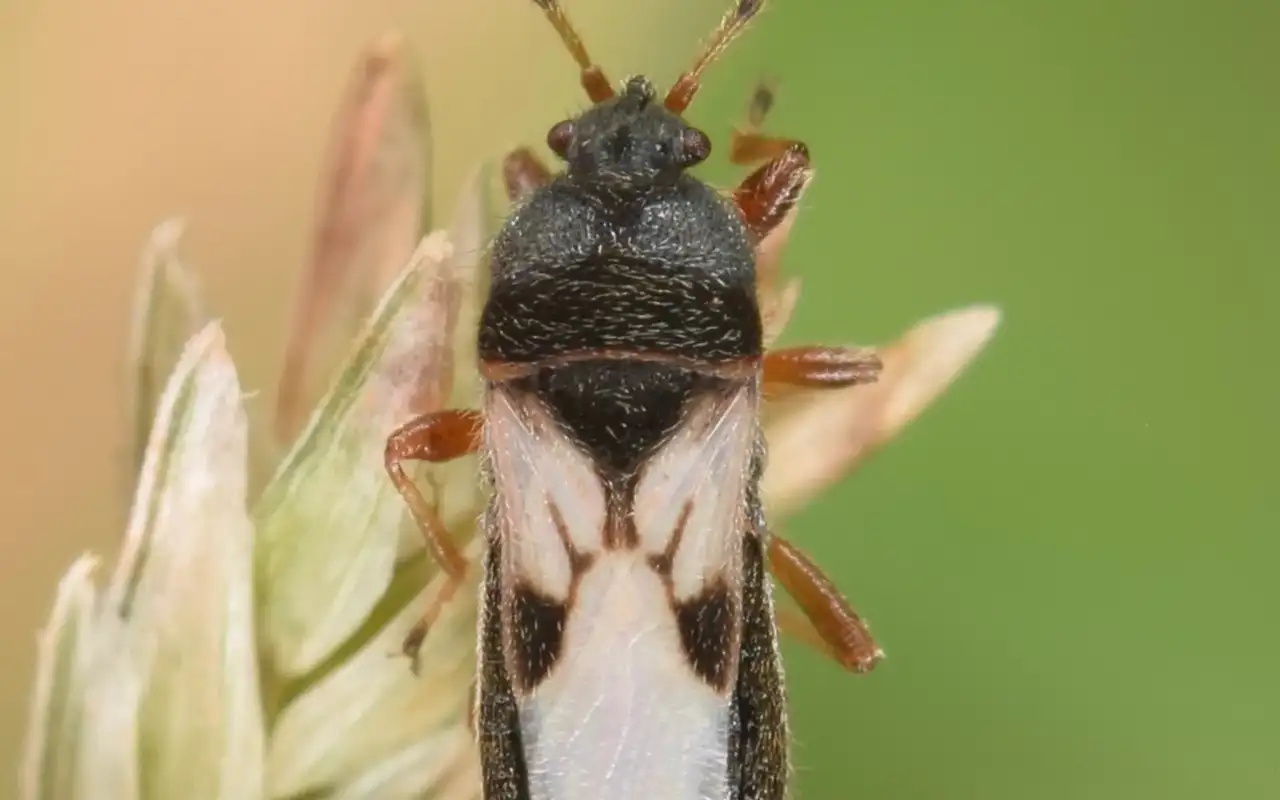
Young sod predicts chinch bugs better than anything else, and Northlake has more of it than any town on our map. The St. Augustine a builder rolls out is shallow-rooted and thinly thatched for its first couple of seasons, sitting on graded ground that drains and heats differently from settled soil, and the insect thrives in exactly that. Grubs take to young turf too, because the roots are easy work.
The trap is that everything about a new lawn already looks stressed, so the owner waters harder and is told to water harder still. Chinch bug feeding blocks the grass from moving moisture, which means more irrigation raises the water bill and leaves the brown precisely where it was. If a week of correct watering changes nothing along the driveway, stop and test.
NEW BUILD NUMBERS
What lawn insect coverage runs in Northlake
Whole-lawn insect treatment lives inside Complete Home & Lawn Defense, $40 to $73.50 a month depending on the size of the house. Home Defender, $30 to $54 a month, includes the applicable lawn treatment out to about 25 feet from the foundation and covers the structure the same way. Both run month to month with nothing to sign.
Northlake houses are new and generally larger than those in the older towns nearby, so much of this market sits in the middle and upper bands. Fire ant treatment is part of both plans rather than an extra line, which matters here more than most places, because graded subdivision ground produces mounds faster than settled soil does.
1,500 to 3,000 sq ft
$40–$51.50/mo
Smaller new builds, whole lawn
3,000 to 4,500 sq ft
$51.50–$62/mo
Where much of Northlake sits
4,500 to 6,000 sq ft
$62–$73.50/mo
The larger floor plans
Home Defender, same range
$33–$54/mo
Lawn treated within about 25 feet
Every number on this page comes from our published price list. Northlake homes get the same table as everyone else; the instant quote reads your square footage and lot size and hands you your own line.
THE UNCOMFORTABLE PART
What treating will not fix on a new lot
It will not fix bad sod installation. Turf laid over compacted construction fill, or on a grade that sheds water before it soaks in, browns in the same places every year and no insecticide changes that. Core aeration, topdressing and honest watering are the answer, and none of those are ours to sell.
It will not make a lawn established. New turf is fragile for a couple of seasons whoever treats it, and the goal of the first year is a root system rather than a magazine lawn. We are protecting the roots you are trying to grow, not promising a finished result.
And it does not cover the field behind you. Northlake streets still back onto undeveloped ground and active build sites, and armyworms, chiggers and rodents all come from there. We treat a buffer at your boundary, not somebody else's acreage.
ADVICE VS TESTING
Water more, or find out for certain?
The standard advice on a new lawn is more water, and for the first weeks after sod goes down that is right. It stops being right the moment an insect is involved, because chinch bugs and drought produce nearly identical symptoms and only one of them responds to irrigation. Separating them costs nothing but ten minutes.
Push a coffee can with the ends cut out two inches into the soil where green meets brown, keep it full of water, and watch for chinch bugs floating up. If none appear, try the tug test for grubs, and if neither shows anything, the lawn has a water or soil problem and we will say so instead of writing up an application.
STARTING OUT
The first run through a Northlake yard
Age of the build
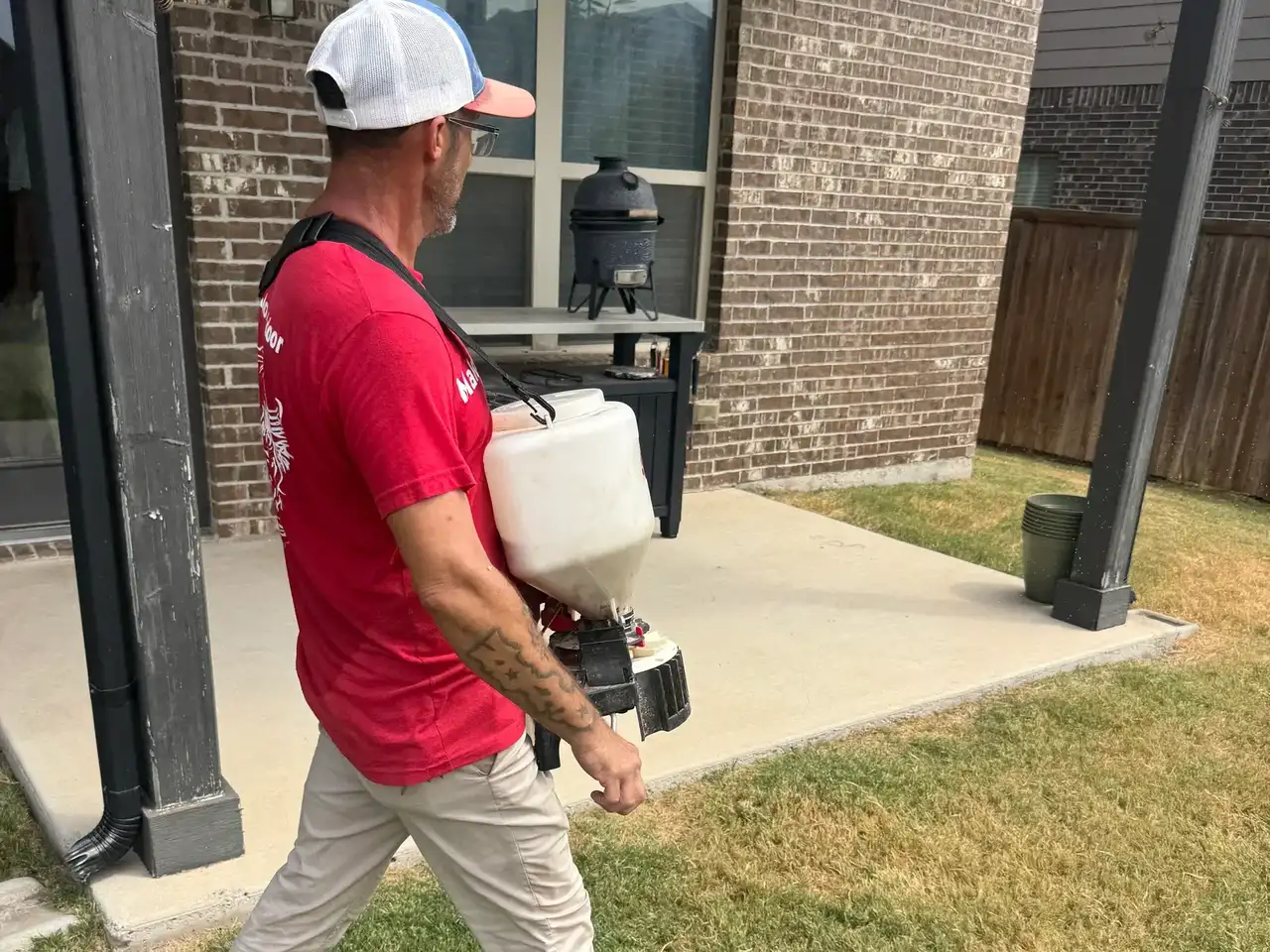
How long the house has stood sets our expectations before we look at anything. Under about five years, fire ants and chinch bugs lead the list; older than that and the pattern drifts toward the ordinary perimeter pests, and the plan drifts with it.
The hot concrete
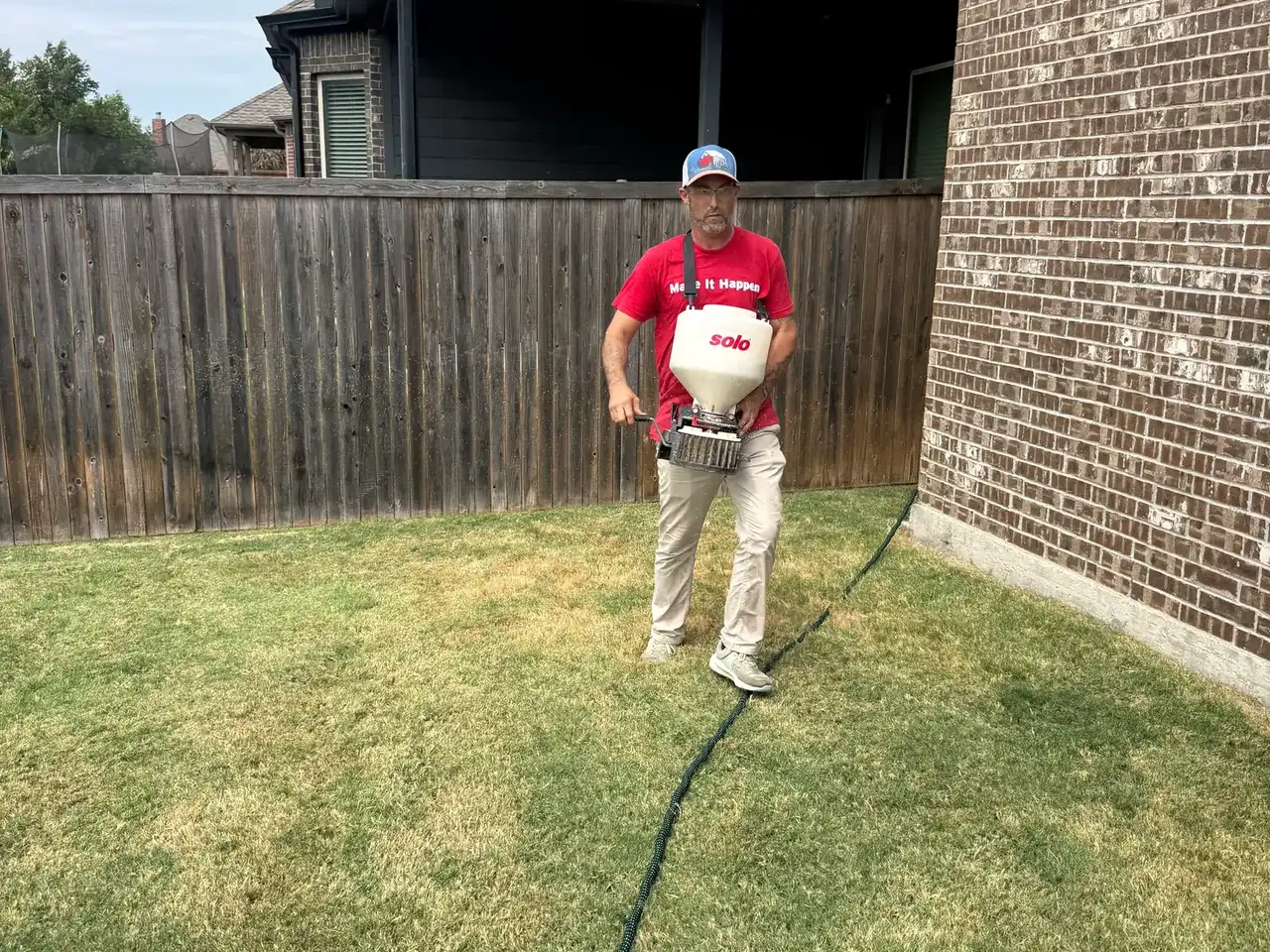
Driveway edges, sidewalk margins and the strip along a south-facing wall get inspected first, because that is where chinch bug damage starts on young St. Augustine. Damage that begins in the middle of a shaded back lawn is telling a different story.
What the lot backs onto
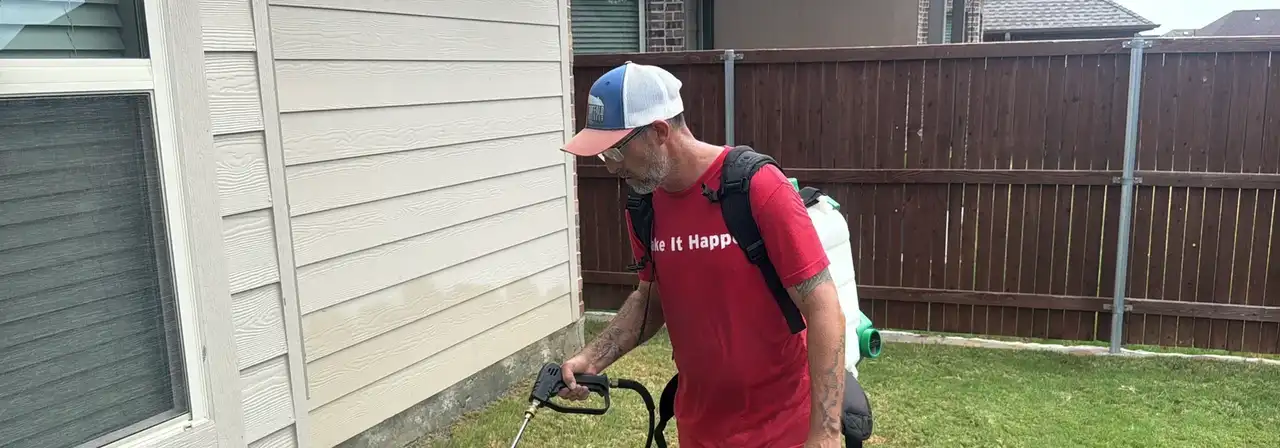
A Northlake lot behind another finished street is a different job from one behind a field or an active site. Open ground means a boundary worth treating and an armyworm risk in late summer, so we note it on the first visit rather than after the lawn is chewed.