Buffalo Outdoor · Owner, certified applicator TPCL #0822926 · 2026-04-01
Wasp nests are easiest to prevent in early spring, when a single queen is starting a nest alone and the colony has no workers to defend it. Knocking down early nests and treating the protected surfaces where they attach stops the same eaves being colonised year after year.
The spring window
A paper wasp queen emerges from overwintering and begins a small nest by herself. For a few weeks there is one wasp and a nest the size of a coin. That is the moment to deal with it. By July the same nest may hold dozens of workers that defend it collectively.
Where they always choose
- Under eaves and soffits, especially corners
- Porch and patio ceilings
- Inside grill lids and outdoor furniture
- Under deck rails and stair treads
- In wall vents and unused light fixtures
Why the same spots every year
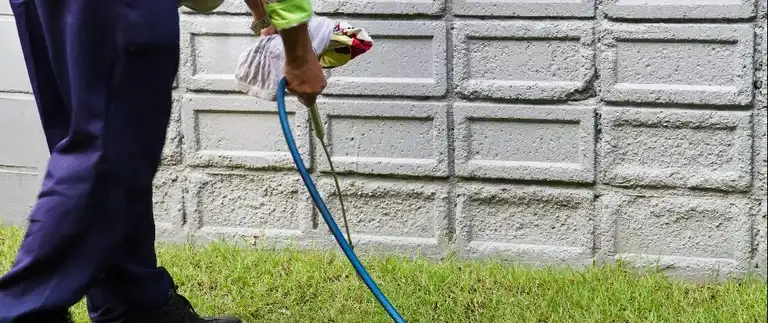
Protected overhangs are genuinely good nesting sites. A location that worked last year will attract a queen again, which is why removing a nest without treating the surface produces a rebuild in the same corner. The eave sweep on each visit is what breaks that cycle.
When to leave it to us
A small early nest at dusk, with an escape route and no allergy in the household, is manageable. An established summer nest, anything inside a wall or vent, and anything you suspect is yellowjackets is worth handing over. Yellowjackets defend aggressively and can sting repeatedly, which is a different risk category.
TDA-licensed, up-front pricing, and service warrantied between treatments. Call or text (817) 984-8611.
Get my price