UNDER THE TREES
Grubs are Benbrook's lawn insect, and the wildlife finds them first
The armadillos will usually tell you before the grass does. Benbrook has more tree cover than anywhere else on our map, and the lake and the Clear Fork corridor keep the ground damp under it. That is poor country for chinch bugs, which want sun-baked turf, and fine country for beetle larvae feeding on roots two to four inches down. Animals coming off the lake land at night dig exactly where those larvae are thickest.
So the pattern on a Benbrook lot is torn-up sod in the morning, a lawn that feels soft underfoot, and patches that lift away in your hand with no roots attached. None of it looks like an insect problem at first, and homeowners often spend a season blaming the armadillo rather than what the armadillo was eating.
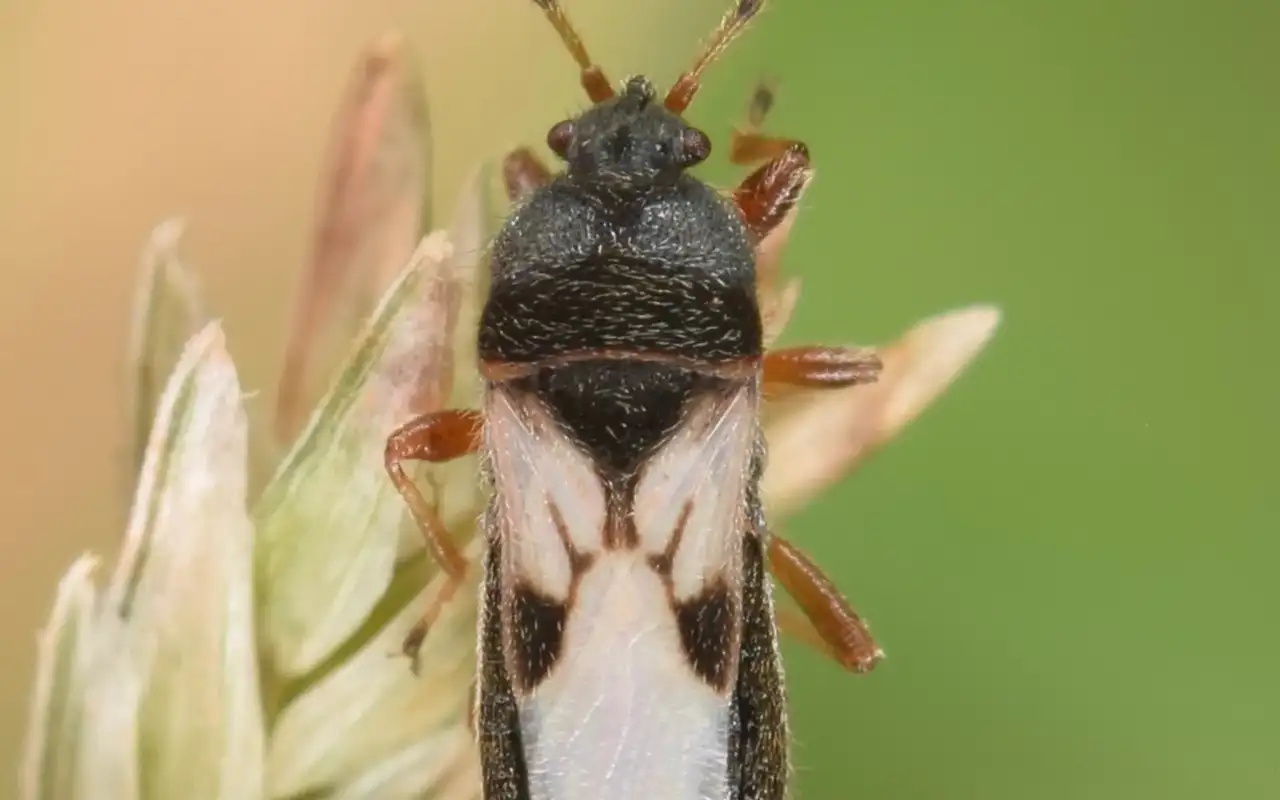
Chinch bugs do still show up, in the sunnier established neighbourhoods off Winscott and Vega where St. Augustine gets full afternoon sun along the drive. They are the minority call here, but the damage they cause is the kind that gets misread as heat stress every July.
THE NUMBERS FOR BENBROOK
What you would pay for whole-yard insect coverage
Between $40 and $73.50 a month, set by the square footage of your house. Much of Benbrook is 1970s brick in the 1,500 to 3,000 range, which puts Complete Home & Lawn Defense at $40 to $51.50 a month with the entire yard treated. Larger homes toward the lake side move into the $51.50 to $62 band.
If your grub trouble is close to the house, Home Defender at $30 to $54 a month includes the lawn treatment out to about 25 feet and may be all you need. On a wooded Benbrook lot where the damage is under the back trees, though, the whole-yard plan is the one that reaches it. Either way you get the figure before you commit, the plans run month to month, and re-treating between visits is built into the price rather than billed.
1,500 sq ft or less
$40/mo
Complete Home & Lawn Defense
1,500 to 3,000 sq ft
$40–$51.50/mo
Most of the older brick off Winscott
3,000 to 4,500 sq ft
$51.50–$62/mo
Larger homes toward Benbrook Lake
Home Defender, 1,500 to 3,000 sq ft
$33–$38/mo
Lawn treated about 25 feet out
Every number on this page comes from our published price list. Benbrook homes get the same table as everyone else; the instant quote reads your square footage and lot size and hands you your own line.
WHEN TO KEEP YOUR MONEY
Three times a Benbrook lawn treatment is the wrong purchase
When the grass is thin because of shade. A large share of Benbrook back yards sit under oaks and pecans that have been growing for fifty years, and St. Augustine under that canopy thins out no matter what you spread on it. If the tug test shows roots holding and nothing floats in the can, the problem is light, and we say so.
When the grubs are already huge. Larvae found in October are large, deep and hard to kill; the same population in August would have died from one treatment. If you have waited until the turf lifts like carpet, the honest advice is to treat, expect a partial result, and plan on resodding the worst areas.
When it is a watering or drainage issue near the lake. Low spots on Benbrook lots that never dry out grow fungus, and fungal brown patch looks a great deal like insect damage from across the yard. Four of the seven common causes of summer browning are not insects, and treating a disease with an insecticide fixes nothing.
REMOVE THE ANIMAL OR THE GRUBS
Fixing the digging versus fixing the reason for it
Removing the animal treats the symptom. Armadillos and raccoons come off the lake land and the wooded draws because there is food in your turf, and the next one will find the same grubs. Treating the root zone removes the reason for the digging, and the digging stops on its own within a few weeks as the larvae die.
Against a hardware-store grub product, the difference is depth and timing rather than chemistry. Granules that sit in the thatch never reach larvae feeding two to four inches down, and a treatment made in October when the grubs are fat does a fraction of what the same treatment does in late summer. A plan puts the application in the right month and waters it through; most DIY attempts in Benbrook fail on one or the other.
WHAT WE CHECK ON A WOODED LOT
The first Benbrook lawn appointment
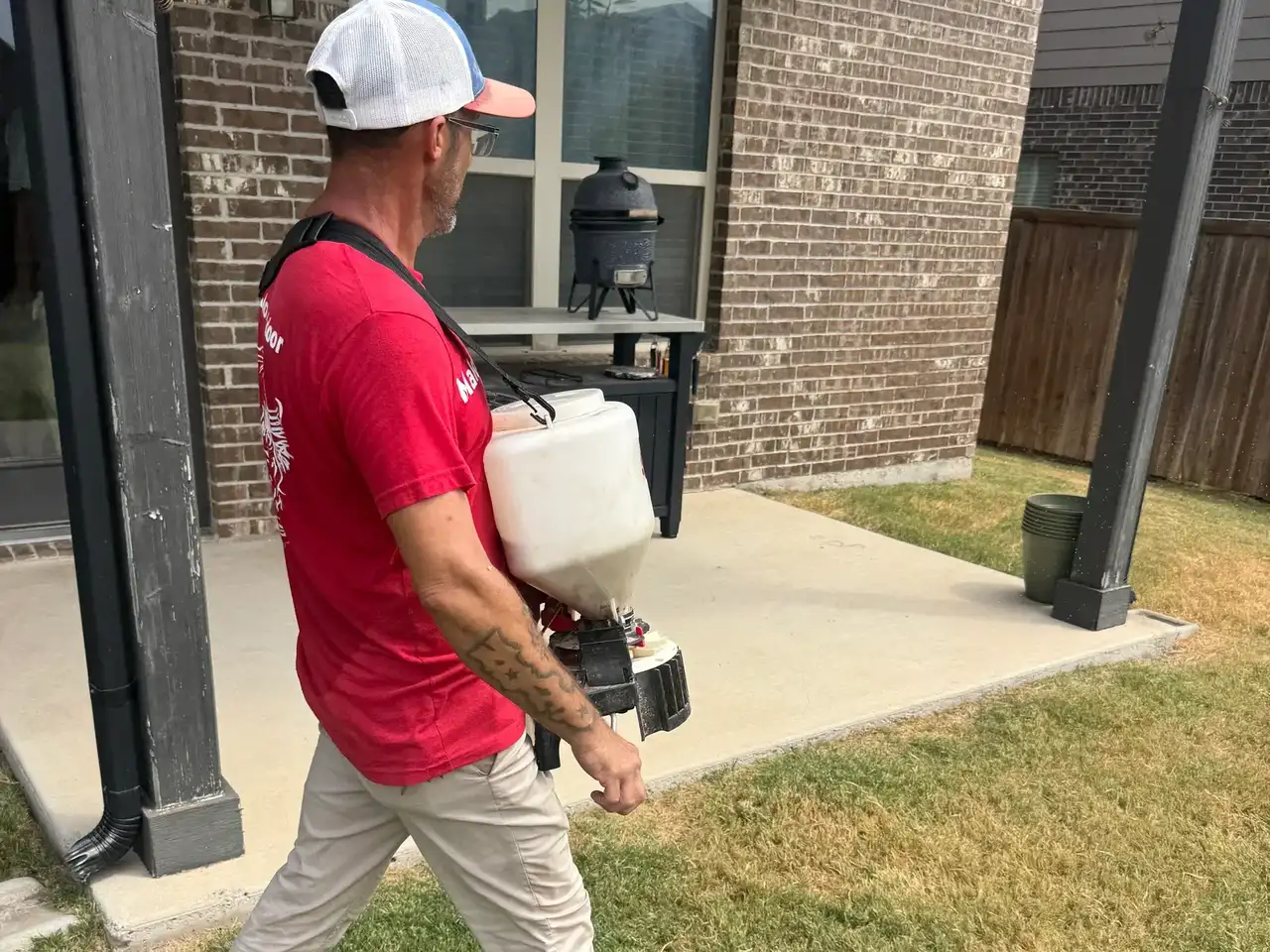
The dug-up spots
Animal digging is our map. We go straight to the torn areas, peel back a square foot of sod and count the white C-shaped grubs. More than five in that square is treatable; fewer, and the digging has another cause.
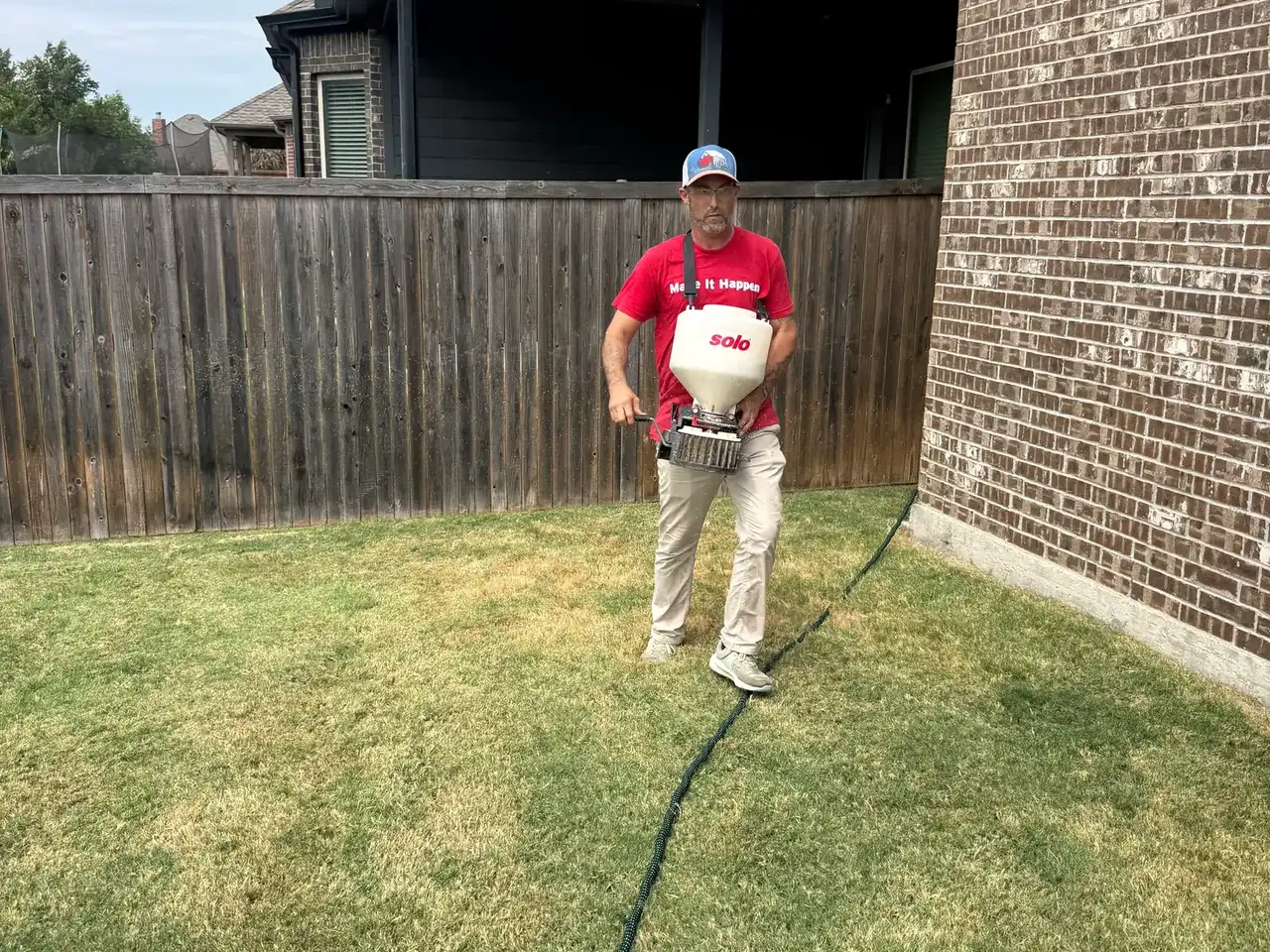
Sun pockets along the concrete
Where a Benbrook lawn does get full sun, usually the front strip beside the drive, we float-test the St. Augustine for chinch bugs. Damp, shaded turf skips this step because they are almost never there.
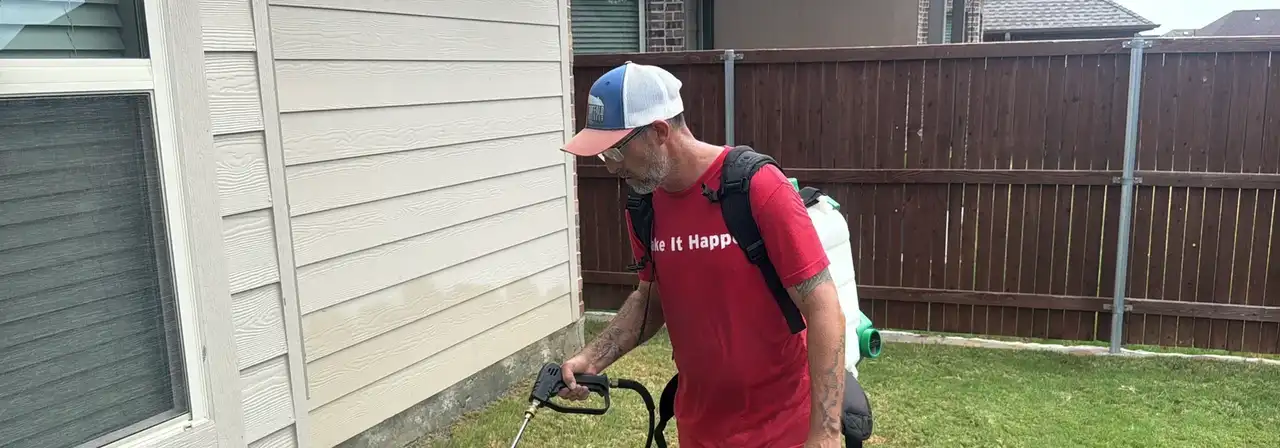
Drainage and disease
Near the lake and the creek draws we look at low, wet ground for fungal patch and rule it out before treating anything. If the lawn needs better drainage rather than an insecticide, that is what you hear from us.