BIG LAWNS, HIDDEN DAMAGE
How lawn insects behave on a large Southlake lot
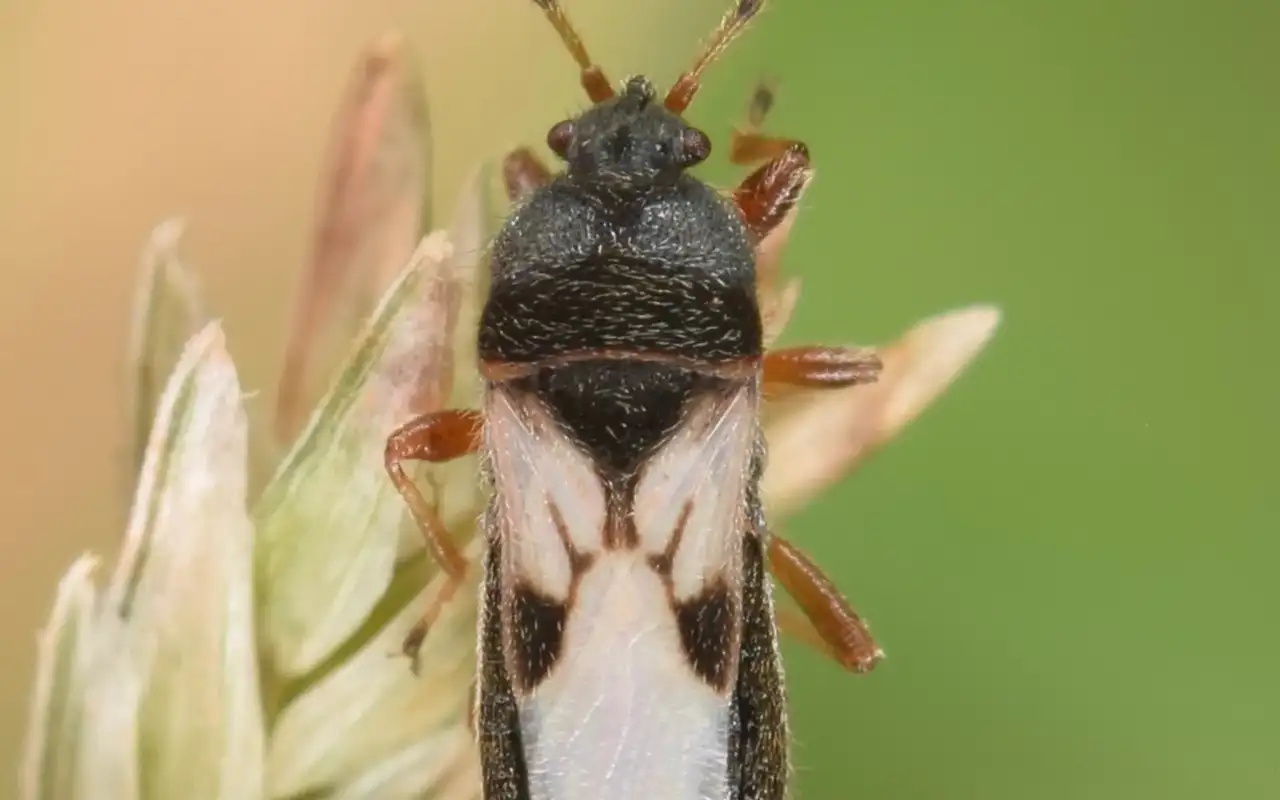
The irrigation hides them. Southlake has the largest average lots in the towns we cover, and most of that St. Augustine is on a sprinkler system that runs whether the grass needs it or not. Chinch bugs still take hold along the sunny drive and pool deck, but the surrounding turf looks so green that the first brown patch reads as a sprinkler head problem rather than an insect.
Grubs are the bigger issue on a lot this size. Beetle larvae feed on roots two to four inches down across the whole lawn, and a half-acre of turf gives them a lot of room. By the time the grass goes spongy near the back fence in a 76092 yard, they have often been there for weeks. Watch for birds or armadillos tearing up the same area: they are digging for the grubs, not the grass.
Fall armyworms are the third pest, and on the north side toward Bob Jones and the lake corridor, where lawns meet natural ground, they can move onto Bermuda from the brush line and strip it in a night.
WHAT A BIG HOUSE PAYS
Lawn insect coverage pricing in Southlake
Both year-round plans are priced on the square footage of the house, and Southlake homes sit at the upper end of the scale. Complete Home & Lawn Defense, which treats the entire yard, runs $51.50 to $62 a month for a 3,000 to 4,500 square foot home and $62 to $73.50 for 4,500 to 6,000. Homes over 6,000 square feet, of which Southlake has plenty, are quoted individually rather than read off a table.
Home Defender at $38 to $54 for those same sizes treats the lawn out to about 25 feet, which on a large Southlake lot is a small fraction of the turf. It handles chinch bugs along the house and drive; it does not touch grubs at the back of an acre. The number is agreed up front, month to month, with no startup fee and nothing to cancel out of.
3,000 to 4,500 sq ft
$51.50–$62/mo
Complete Home & Lawn Defense, whole yard
4,500 to 6,000 sq ft
$62–$73.50/mo
Common for Southlake two-storeys
Over 6,000 sq ft
Quoted
Priced on a walk of the property
Home Defender, 4,500 to 6,000 sq ft
$46–$54/mo
Only the first 25 feet of lawn
Every number on this page comes from our published price list. Southlake homes get the same table as everyone else; the instant quote reads your square footage and lot size and hands you your own line.
LIMITS, STATED PLAINLY
What insect control cannot do for a Southlake lawn
It cannot undo root loss. A Southlake lawn that has been carrying grubs since August has patches with no roots left, and killing the larvae leaves those patches dead. Recovery is a turf job: water, fertility and, on the worst areas, new sod. We will say which patches are coming back and which are not.
It is also not a substitute for fixing the irrigation. Overwatered St. Augustine grows heavy thatch, and thatch is where chinch bugs live and where a surface treatment has to fight through. If the controller is running every day, the treatment works less well and the problem returns faster. Part of the first visit is telling you what the system is doing wrong.
And on a property that backs onto natural land, we treat your lawn, not the nature area. Armyworm moths lay eggs where they like, and a fresh wave can arrive after we have dealt with the last one. The warranty between visits exists for exactly that: call and we return.
YOUR LAWN CREW VS A PEST PLAN
Can the lawn service handle this instead?
Often partly. Many Southlake homeowners have a lawn service already, and a good one will spot brown patches and may offer an insecticide application. What a mowing crew usually cannot do is diagnose: cut open the edge of a patch, float the chinch bugs, count the grubs and pick the product and depth to match. That is the part that came out of our lawn care background, and it is why the treatment gets timed to the insect's life stage rather than to the mowing calendar.
The two work best together. Tell us which day the crew mows and we schedule the lawn treatment so it is not cut and bagged before it has been watered in. A store-bought bag of granules is the other alternative, and on a lot this size it is a lot of bags spread at a depth chosen by guesswork.
WALKING A LARGE LOT
What the first Southlake lawn visit covers
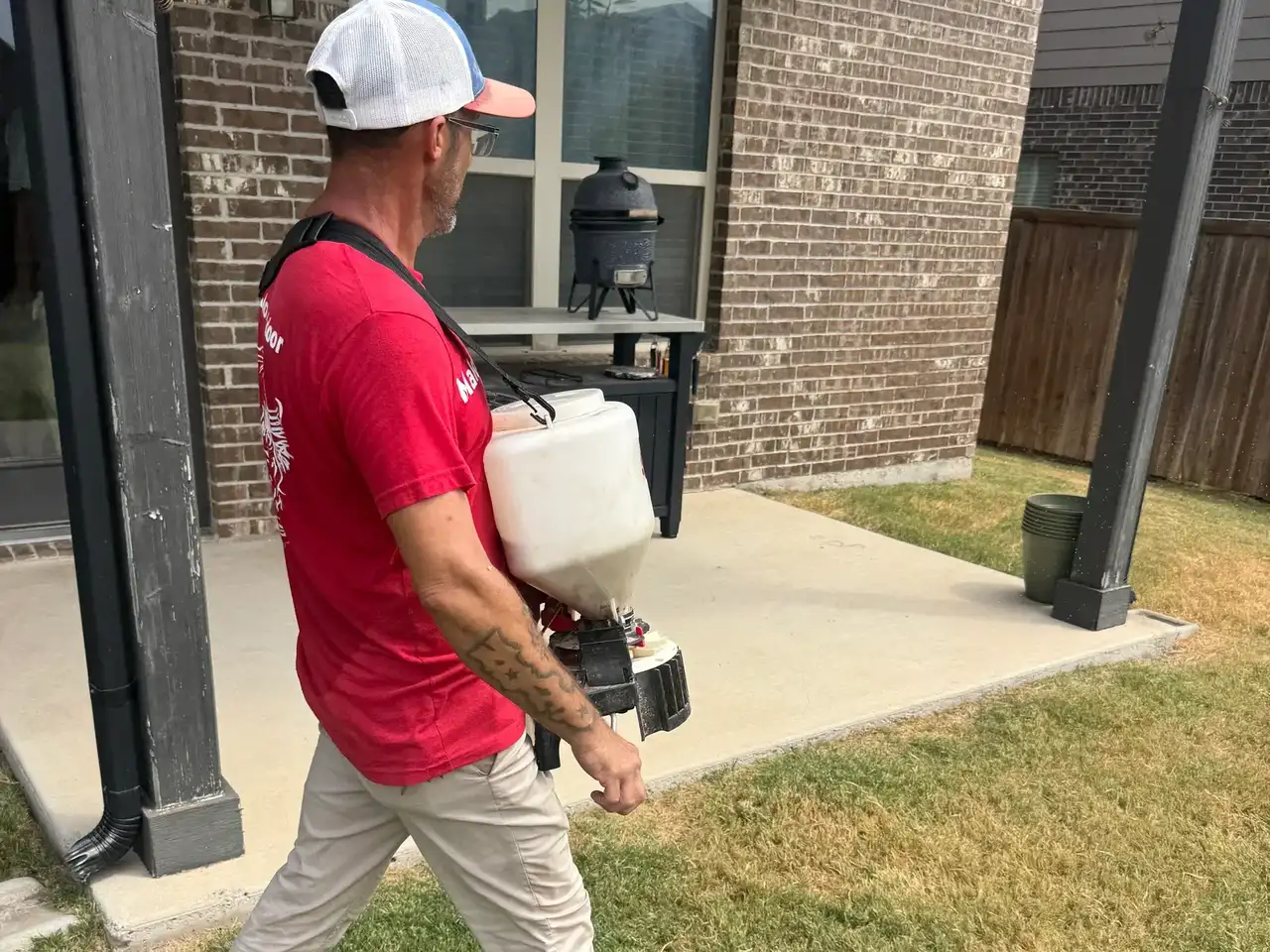
The full lawn, not the first 25 feet
On a big Southlake property we walk out to the boundary and check the far turf, because that is where grub damage hides longest. Spongy footing and animal digging near the back fence are the tells we are looking for.
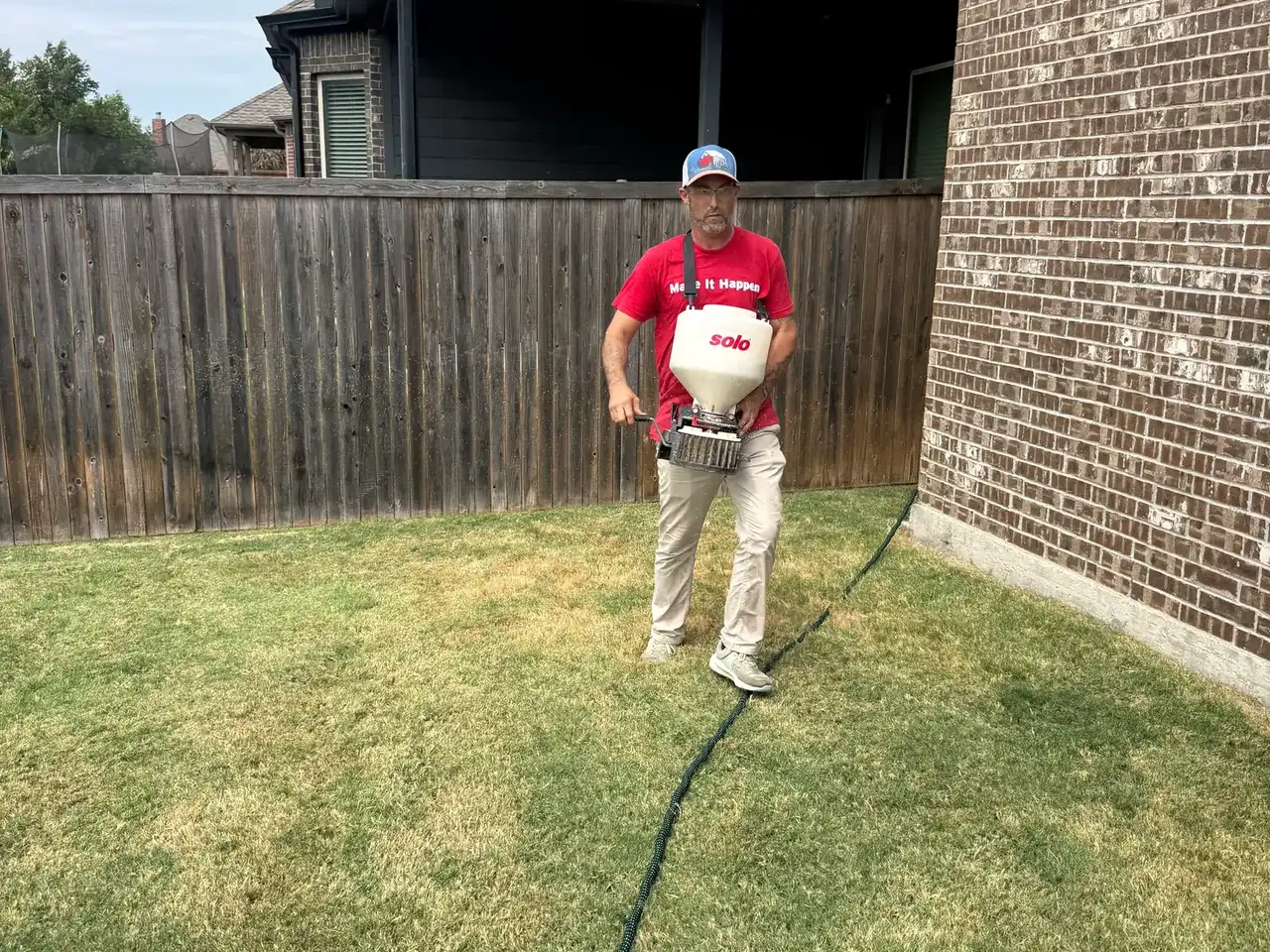
Sun strips and the irrigation controller
Along the drive, the pool deck and any south-facing strip we run the float test for chinch bugs. Then we look at how often the sprinklers run, since daily watering builds the thatch layer those bugs live in.
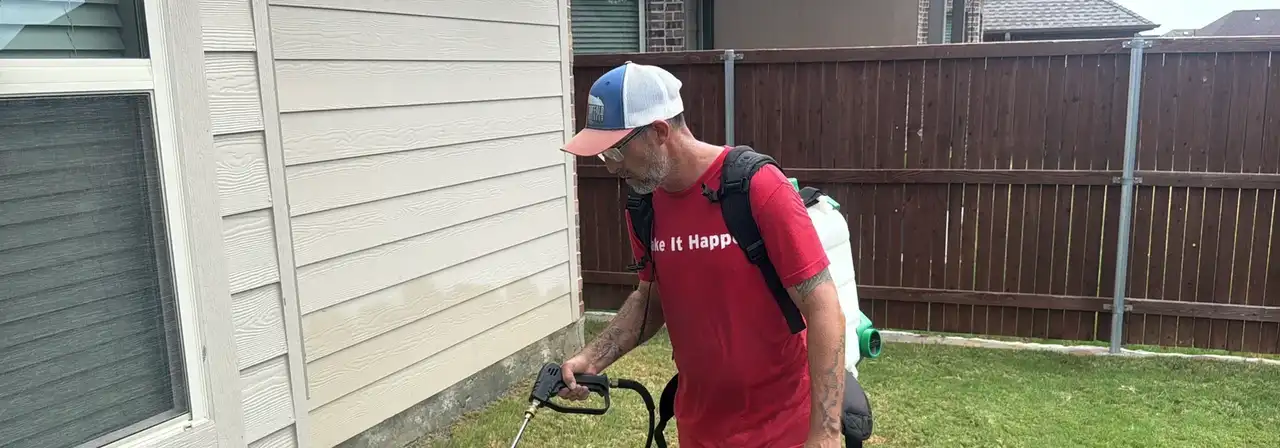
Blooms and no-spray zones
Southlake beds are dense and heavily planted. Show us the pollinator plantings and flowering areas before we start and we map them out of the treatment area on every visit.