TWO POST OFFICES, TWO LAWNS
The Willow Park lawn insect map, in one paragraph each
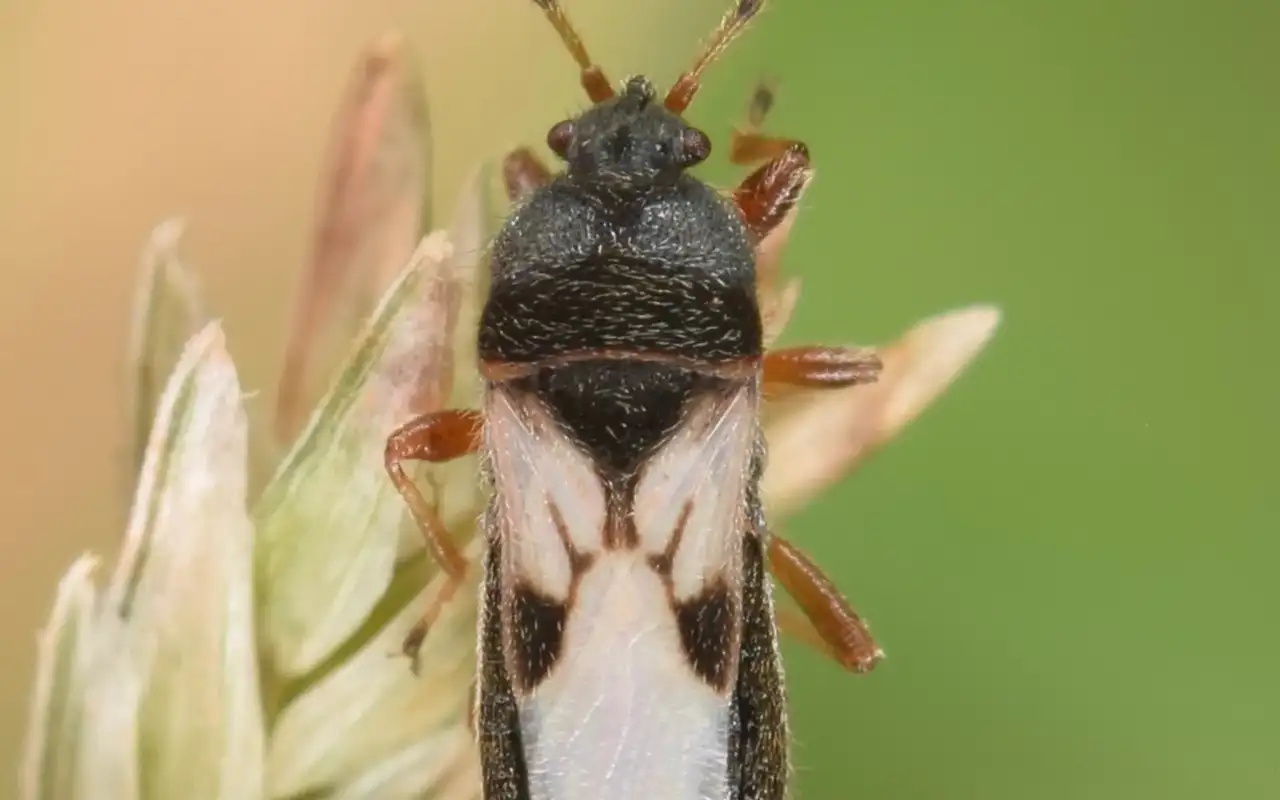
The newer subdivisions along I-20 west of Aledo are sitting on recently graded ground with builder turf on top, and that turf is chinch bug turf for its first few summers: young St. Augustine, shallow roots, full sun along the drive and the sidewalk. Damage shows up there first and it looks like the sprinklers quit, because the insect stops the blade using water.
The established acreage lots are a different lawn. Mature Bermuda and St. Augustine under trees carry grubs in the root zone through late summer, and the Bermuda that runs out toward pasture is where the fall armyworm fronts land after a wet stretch. On those lots the first sign is often spongy turf underfoot, or a swath of grass eaten to the stems overnight, rather than a brown driveway edge.
WILLOW PARK PRICING
One price table for both sides of Willow Park
The whole-yard insect coverage on Complete Home & Lawn Defense is $40 to $73.50 a month, priced on the square footage of the house, and that is true whether your mail comes through the Weatherford 76087 post office or the Aledo 76008 one. A 3,000-to-4,500-square-foot subdivision build is $51.50 to $62; a larger acreage home at 4,500 to 6,000 is $62 to $73.50; over 6,000 square feet is quoted individually.
Home Defender is the smaller option at $30 to $54, and its lawn treatment reaches about 25 feet from the foundation. On a subdivision lot that ring can cover a good share of the front lawn where the chinch bugs are. On an acreage lot it is a band, and the whole-yard plan is the one that reaches the grubs and armyworms further out. Neither is a contract and neither has a startup or cancellation fee.
1,500 to 3,000 sq ft
$40–$51.50/mo
Whole yard, the smaller subdivision homes
3,000 to 4,500 sq ft
$51.50–$62/mo
Most new builds along I-20
4,500 to 6,000 sq ft
$62–$73.50/mo
The larger acreage houses
Home Defender, 1,500 to 3,000 sq ft
$33–$38/mo
Lawn to about 25 feet, often the front on a subdivision lot
Every number on this page comes from our published price list. Willow Park homes get the same table as everyone else; the instant quote reads your square footage and lot size and hands you your own line.
WHAT GOES WRONG
How lawn insect treatments fail in Willow Park, and how we avoid it
They fail on diagnosis. Brown turf in a Willow Park July can be heat, drought, brown patch, dollar spot, chinch bugs, grubs or armyworms, and more than half of that list has nothing to do with insects. The float test and the tug test sort it in ten minutes, and when they come back clean we do not treat.
They fail on depth. Chinch bugs live in the thatch at the surface and the product has to stay there, on turf that is not soaked. Grubs live two to four inches down and the product has to be irrigated to them. A bag applied the same way for both, which is what usually happens in a garage, misses one of them entirely.
And they fail on expectations. Killing the insect does not restore what it ate. Chinch-killed St. Augustine along a new driveway is a resod; grub-loosened turf needs to re-root and often will not; armyworm-stripped Bermuda usually grows back on its own. We tell you which of those you have before you spend anything on recovery.
SUBDIVISION VS ACREAGE
Which Willow Park lawn actually needs the whole-yard plan?
The acreage lot does, more often than not. Grubs in the middle of a large back lawn and armyworms crossing from the pasture edge are both outside the 25-foot lawn treatment that comes with Home Defender, and the Complete plan is the one that covers the full mowed area. It also puts fire ant bait across all of it, which on ground that meets pasture is not a small thing.
The new subdivision lot is a closer call. The chinch bug strip along the front drive is often inside the Home Defender ring, so a homeowner who measures before buying may find the cheaper plan reaches the problem. If the back lawn is deep or the damage is in it, upgrade; if not, the $10 to $19.50 a month difference is better kept, and switching later takes a phone call, not a new agreement.
FIRST APPOINTMENT
How the first visit runs on a Willow Park property
Age of the turf
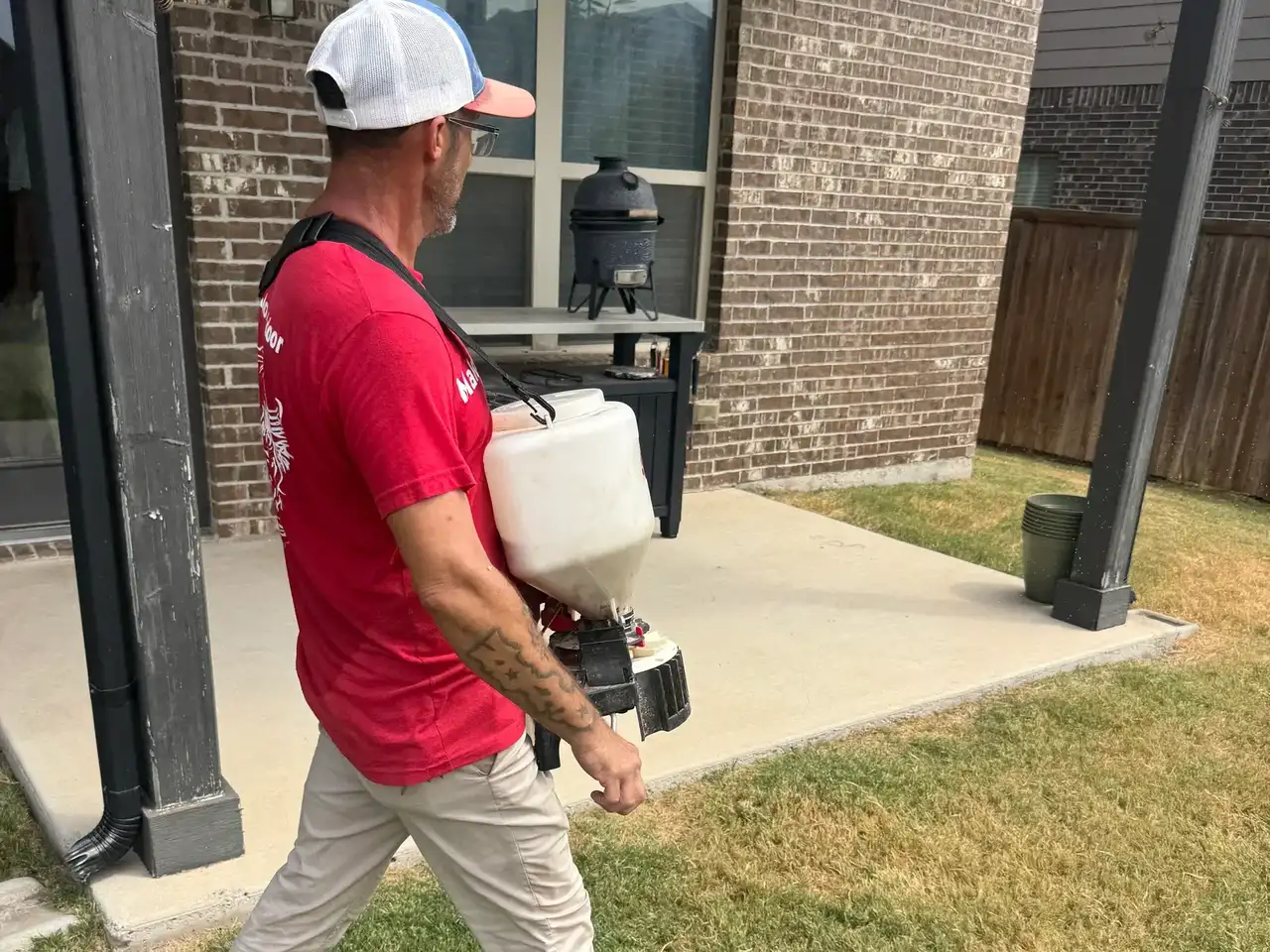
We ask how old the sod is and where it came from, because the answer tells us which test to run first. Under three years in full sun means the chinch bug float test at the driveway edge; established turf means a tug and a larva count.
Where the lawn ends
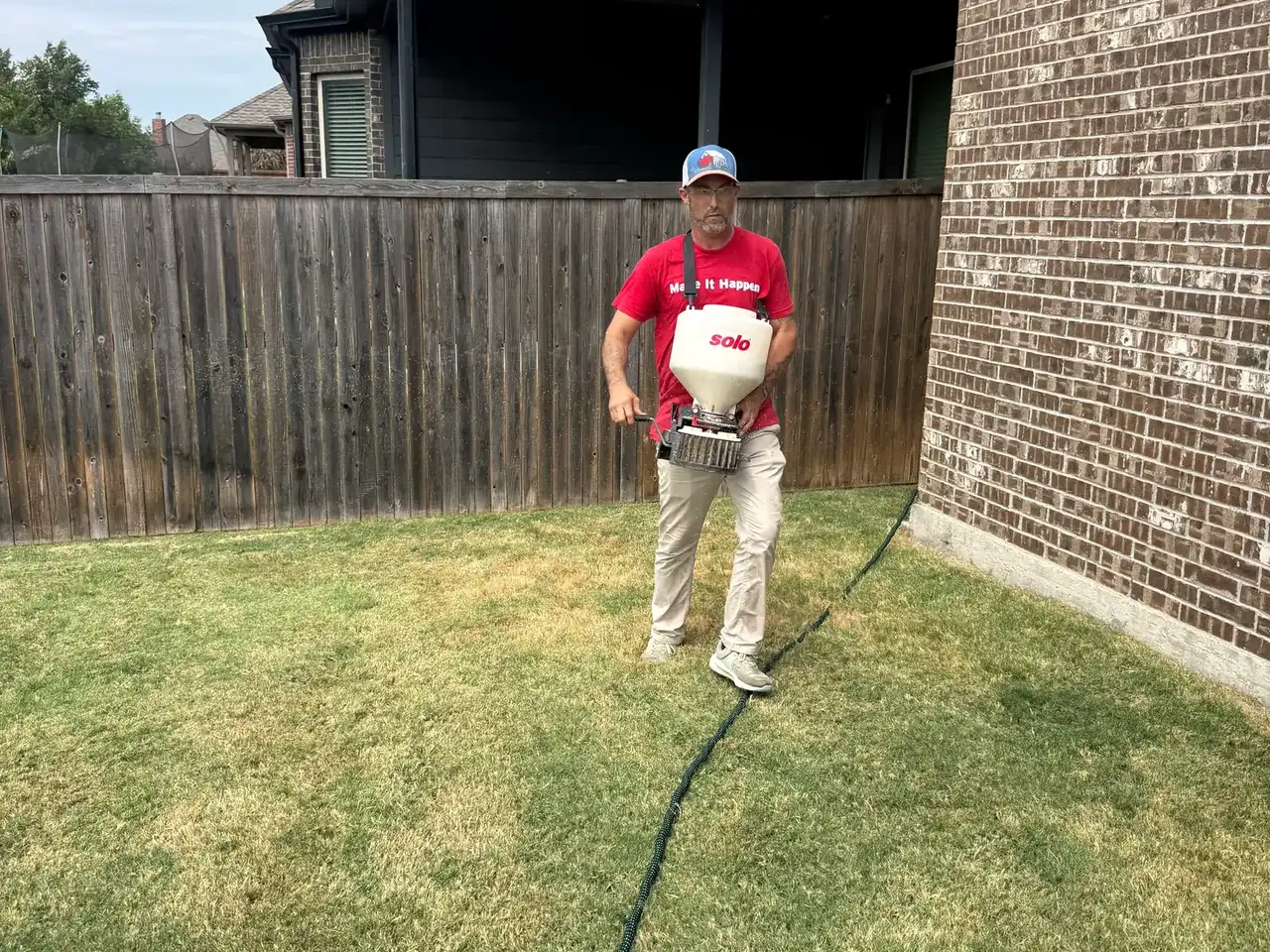
On acreage we walk to the pasture boundary and look at how the edge is kept, since a short-mowed strip there slows an armyworm front and gives us a line to watch in September. On a subdivision lot we note what the back fence borders instead.
The rest of the plan
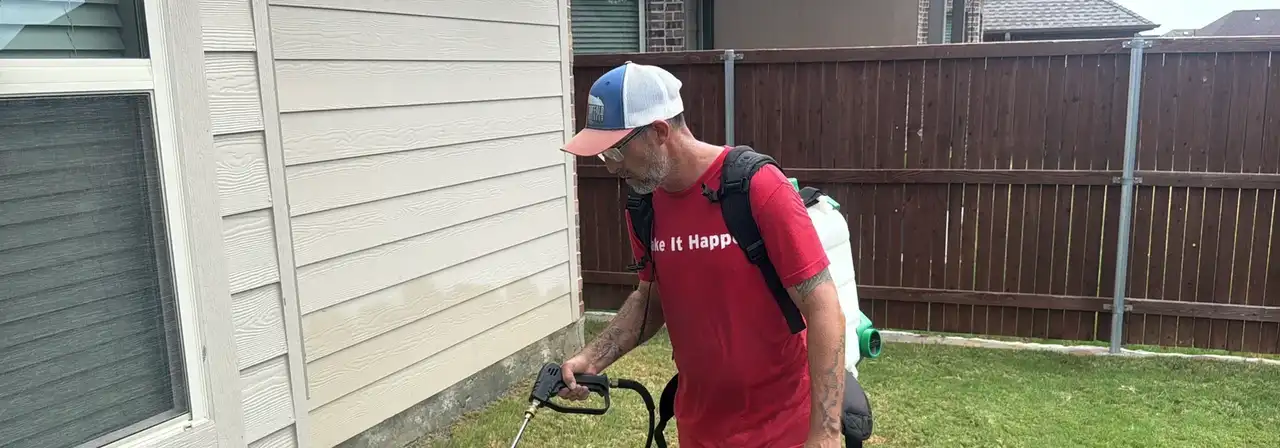
The same trip treats the foundation band and eaves, dusts the weep holes with Delta Dust and broadcasts fire ant bait across the yard, since turf coverage is one part of a year-round plan. On freshly graded subdivision soil the fire ant work matters immediately.