ACREAGE SOUTH OF ALEDO
Fire ants on an Annetta property: the pasture is the source, the yard is the fight
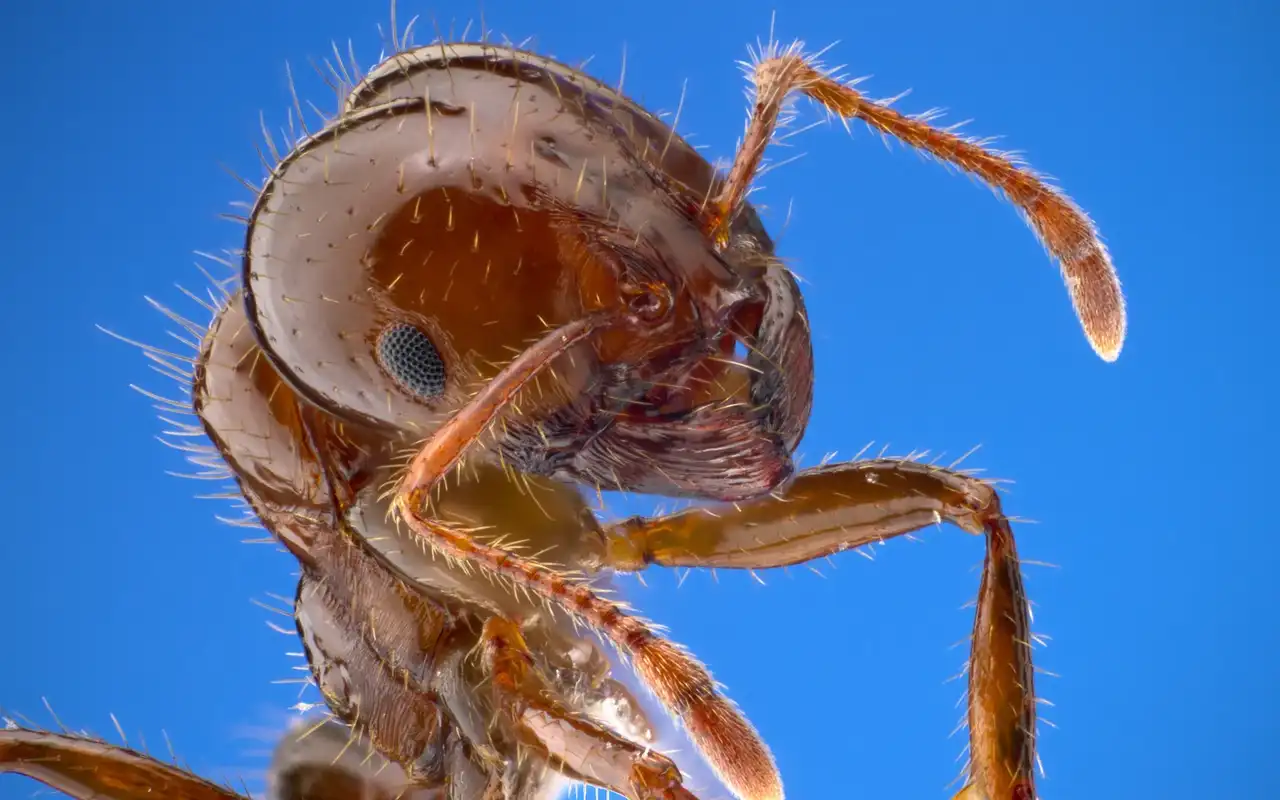
Every Annetta yard backs onto pasture, hay or brush, and all of it carries fire ants that nobody is ever going to treat. That is not a problem to solve; it is the setting. What can be solved is the mowed ground around the house, the barn approach and the driveway, where mounds actually get stepped on, and whole-yard bait across that envelope is how we do it.
Disturbed soil on acreage comes from different work than in a subdivision. A new septic field, a barn pad, a trenched water line to a trough, a gravel drive that was regraded: each one strips the ground of its resident ants and gives fire ants first claim. In Annetta North and Annetta South alike, the mounds cluster on whatever was dug most recently, not evenly across the lot.
HOUSE SIZE, NOT ACREAGE
What fire ant control costs on an Annetta place
The bait itself is free with either year-round plan, and the plan is priced on the square footage of the house, so owning five acres does not raise the number. Annetta homes tend to be big, which puts most in the two upper bands: $38 to $46 a month on Home Defender for 3,000 to 4,500 square feet, and $46 to $54 for 4,500 to 6,000, or $51.50 to $62 and $62 to $73.50 on Complete Home & Lawn Defense.
Over 6,000 square feet is quoted individually, and you have the figure before we book. What the plan covers is the residential yard around the house, treated in full. Baiting several acres of open pasture is a different scale of job with a different price, and if that is what you want we will tell you so plainly instead of folding it into a number that cannot hold.
3,000 to 4,500 sq ft
$38–$46/mo
Home Defender, whole-yard bait included
4,500 to 6,000 sq ft
$46–$54/mo
$62–$73.50 with the whole-yard plan
Over 6,000 sq ft
Quoted
Frequent on Annetta acreage
Pasture beyond the yard
Separate quote
Not part of either plan
Every number on this page comes from our published price list. Annetta homes get the same table as everyone else; the instant quote reads your square footage and lot size and hands you your own line.
WHAT WE WILL NOT PROMISE
The limits of fire ant bait on acreage
We cannot make the pasture stop sending queens. A mated queen flies in off the hay field after every warm rain and lands wherever the mowed turf is sunniest, so an Annetta yard is re-seeded with colonies all summer no matter what is done inside the fence. The bait kills them while they are small; the scheduled visits and the free re-treatments between them are how the yard stays usable.
We cannot treat where the horses are. Pens, troughs, feed storage and grazing ground are mapped as no-spray zones before the first application, which sometimes means a mound near the round pen stays untreated on our side. We would rather leave one mound than put product where animals eat.
And we cannot make it quick. The colony has to collect the granules and feed the queen before it collapses, so plan on two to three weeks of active mounds after the first pass. A drench would drop a mound today and, more often than not, produce two more a few feet away by next week.
ALL OF IT OR THE ENVELOPE
Should an Annetta owner bait the whole acreage or just the yard?
Just the yard, and the honest reason is that treating the whole acreage does not hold. Bait spread across five acres of pasture kills the colonies there for a season, and the next season they are back from the neighbouring hay field, so you have paid for a large application that bought you nothing lasting. The mowed envelope around the house is where people and dogs actually walk, and it is small enough to keep clear.
The exception is a working area you use daily: the strip between the house and the barn, the parking area, the kids' riding ring if it is turf. Tell us which ground matters and we will include it in the treated envelope where it is practical. What we will not do is quote a low monthly number and quietly leave most of the property out.
FIRST VISIT ON THE PLACE
What the first fire ant visit looks like on an Annetta property
Agree on the envelope
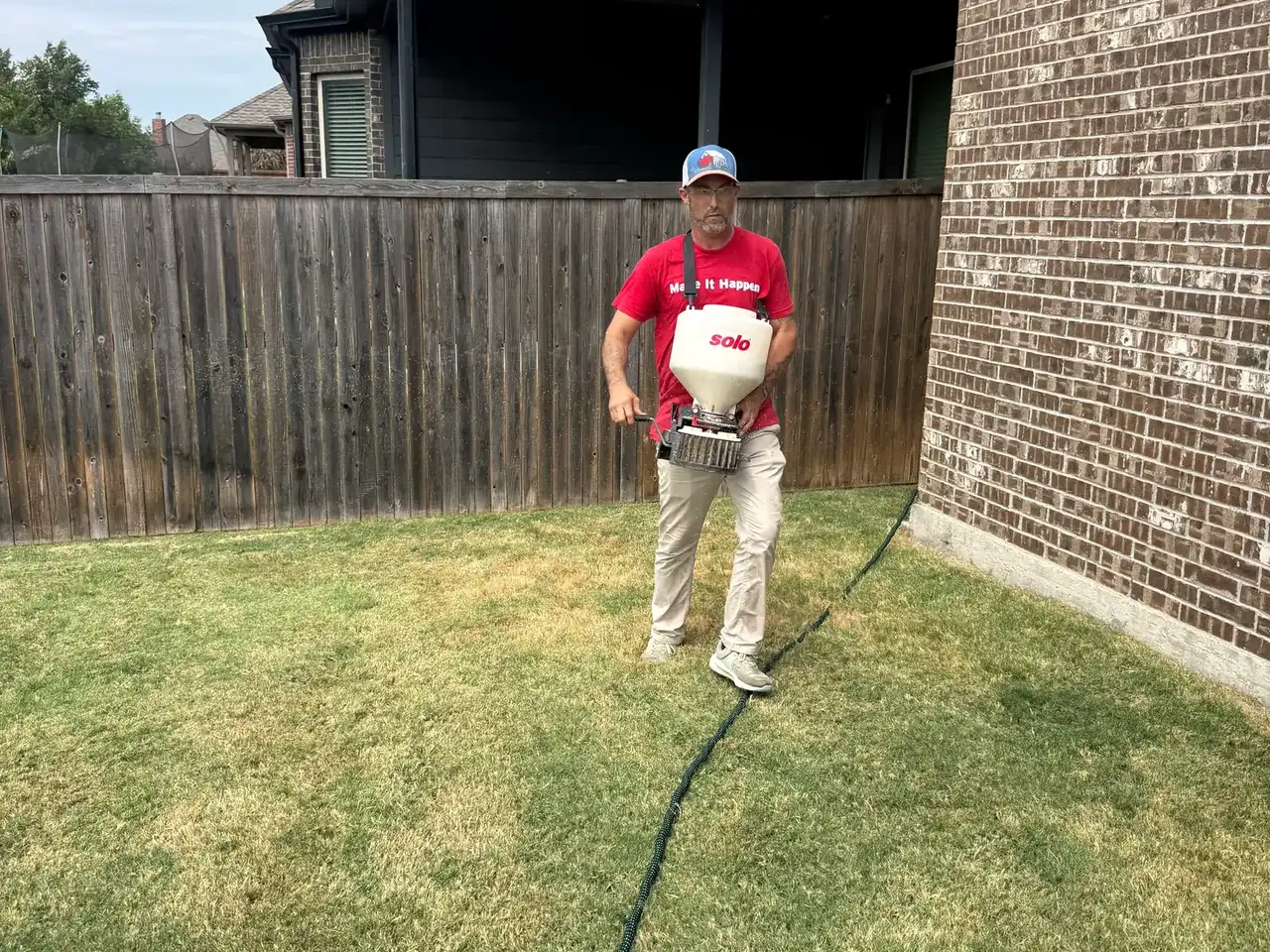
We walk the property with you and settle which ground gets treated: the yard, the approach to the barn and shop, the drive edges. That is also when the no-spray zones around animals get marked, so nothing is applied where it should not be.
Look at what was dug recently
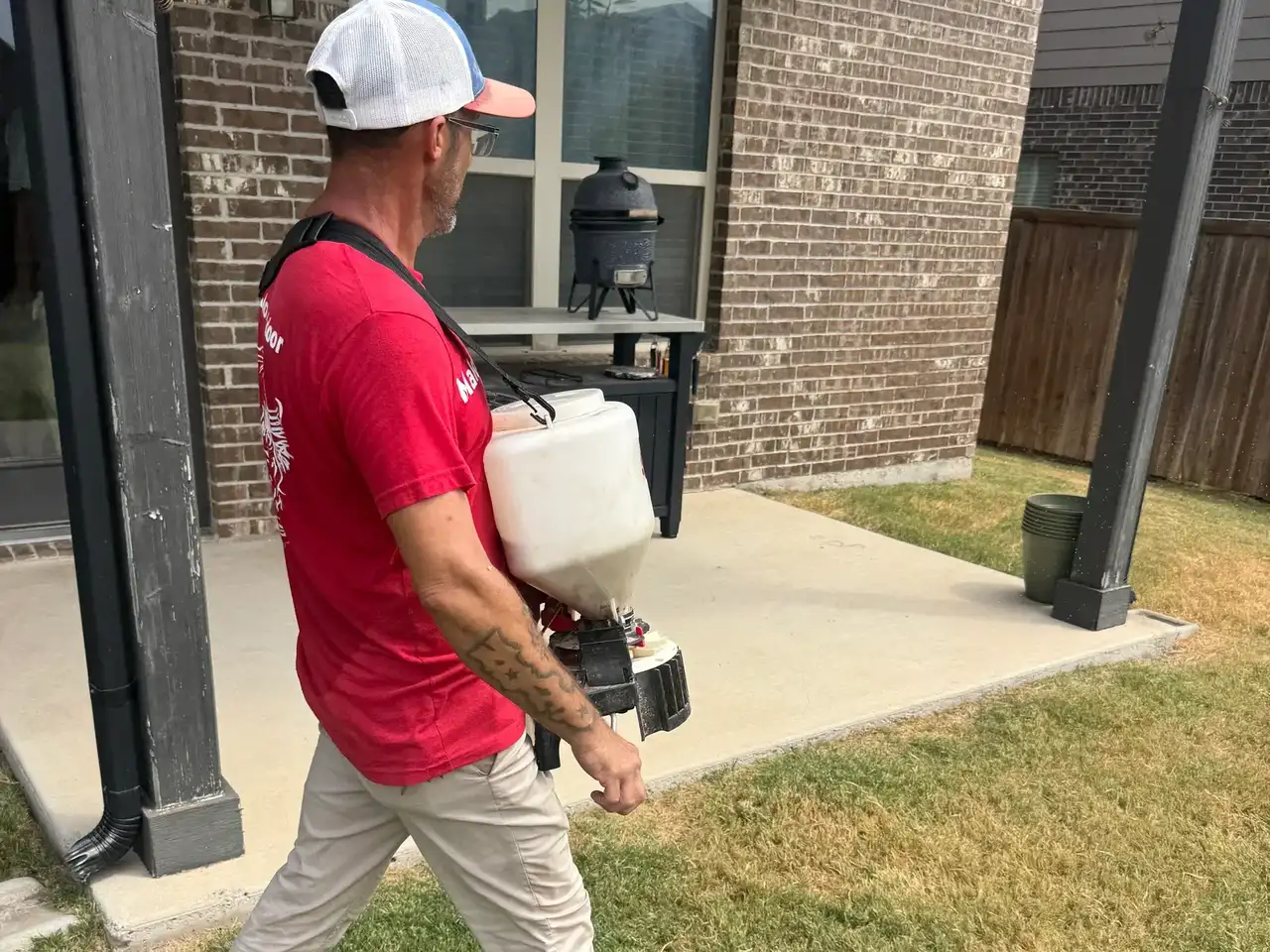
Septic fields, trenches, pads and regraded drives are the fire ant hot spots on acreage, and we check them first. The mowed boundary with the pasture is next, because that is where colonies walk in.
Spread, then the outbuildings
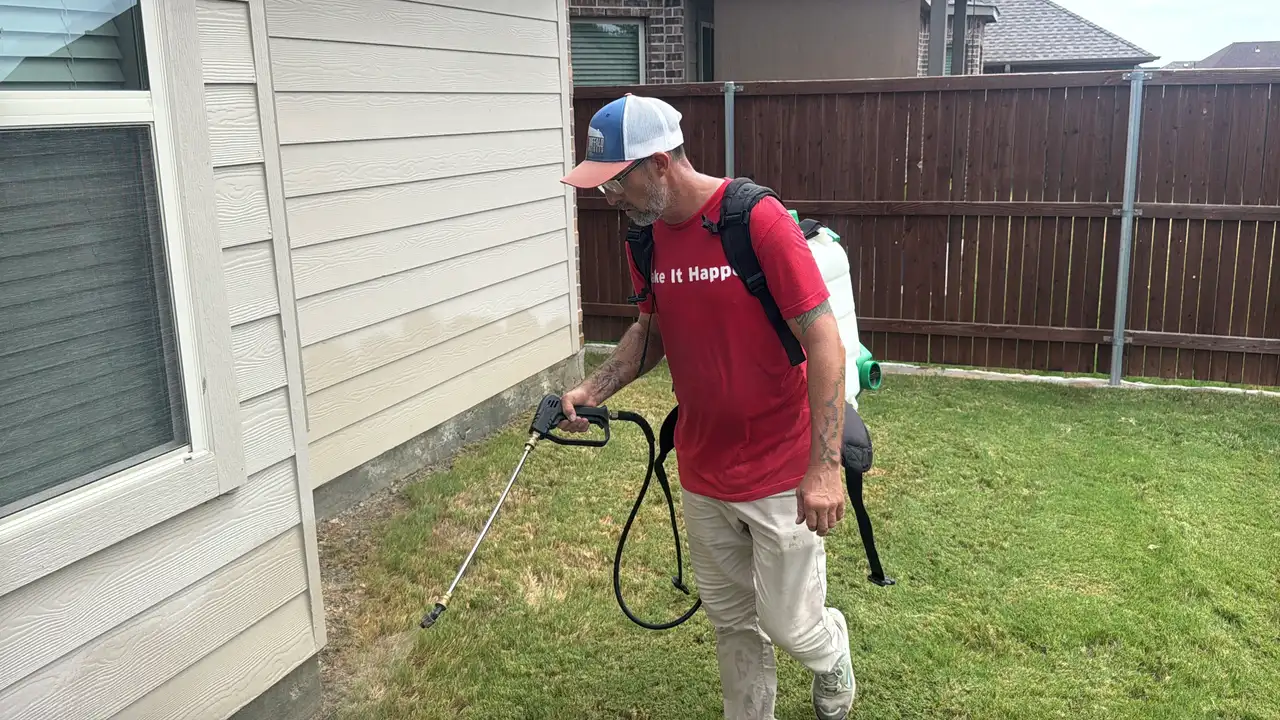
Bait goes across the agreed turf at a very light rate with a spreader, on a dry day. Since this is a year-round plan visit we also treat the house perimeter and eaves and look over the barns and woodpiles, which shelter more than fire ants.