ACREAGE LAWNS
What the pasture sends into an Annetta lawn
Armyworms, mainly, and on a schedule the pasture sets rather than the homeowner. Fall armyworm moths lay in the tall grass and hay around Annetta, Annetta North and Annetta South, the caterpillars build up after a wet spell in late summer, and when they run out of pasture they move as a front onto the nearest mowed Bermuda. A lawn at the edge of a hay field can lose most of its blades in a single night.
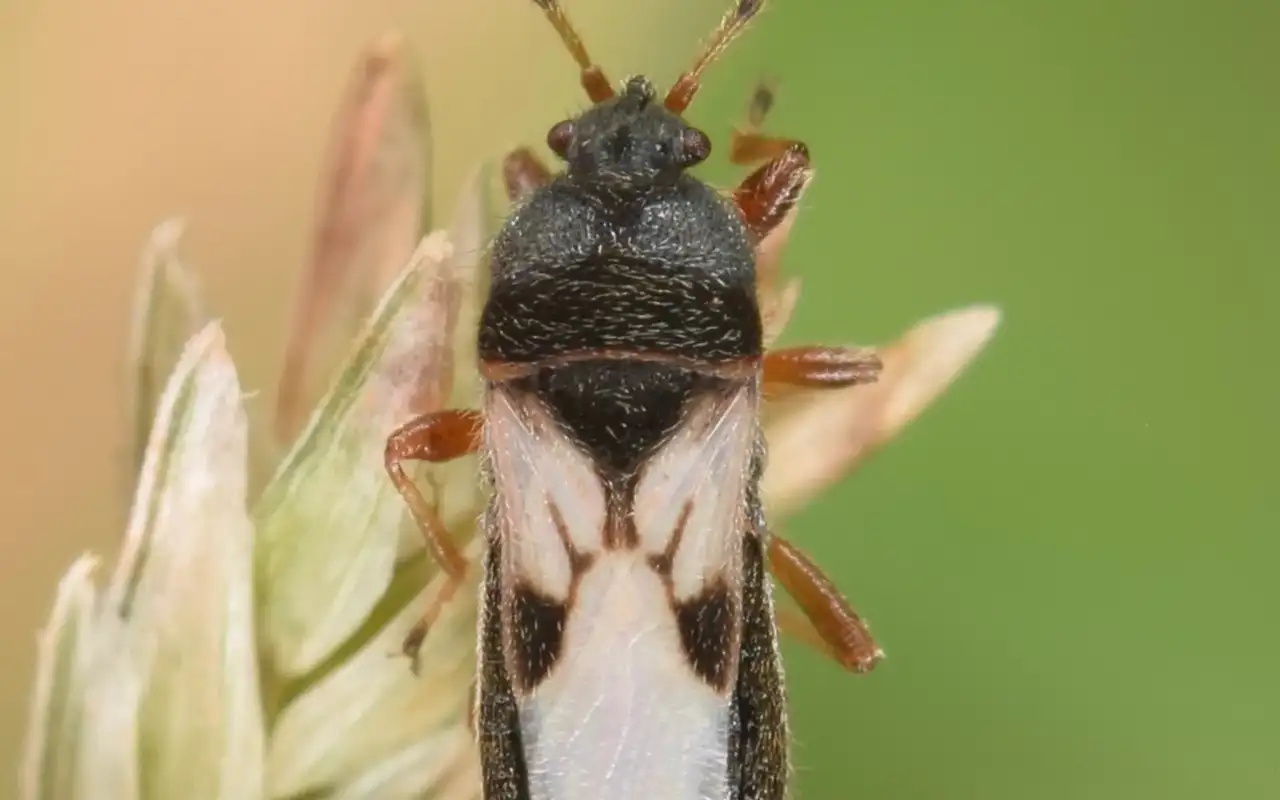
The other two insects are less about the pasture and more about the turf itself. Established Bermuda and St. Augustine around the older acreage homes carry grubs, beetle larvae chewing roots two to four inches down through late summer. Chinch bugs show up where a newer house went in with builder sod, on the sunniest, driest strip beside the drive.
ANNETTA PRICING
What a large Annetta house pays for whole-yard coverage
The price tracks the square footage of the house and ignores the acreage, which surprises people out here. Complete Home & Lawn Defense treats the whole mowed lawn for $40 to $73.50 a month, with a 4,500-to-6,000-square-foot Annetta home at $62 to $73.50 and anything larger quoted individually. Home Defender is $30 to $54 and carries the applicable lawn treatment about 25 feet out from the walls.
What the whole-yard plan covers on acreage is the residential envelope: the lawn around the house that you actually mow and use. It does not mean blanket-treating pasture, which would cost a great deal and hold for about a week before the field refilled it. You see the number before you agree, there is no contract, and the between-visit returns are included.
3,000 to 4,500 sq ft
$51.50–$62/mo
Whole mowed lawn, Complete Home & Lawn Defense
4,500 to 6,000 sq ft
$62–$73.50/mo
Typical of the larger Annetta homes
Over 6,000 sq ft
Quoted
Priced individually, number before you commit
Home Defender, 4,500 to 6,000 sq ft
$46–$54/mo
Lawn to about 25 feet from the house
Every number on this page comes from our published price list. Annetta homes get the same table as everyone else; the instant quote reads your square footage and lot size and hands you your own line.
STRAIGHT TALK
Where a lawn insect program falls short on Annetta acreage
It will not stop armyworms at the property line. They breed in the hay and pasture on every side of an Annetta lot, and no lawn treatment reaches into a neighbour's field. What it does is kill the front when it arrives on your grass, and a mowed buffer at the boundary slows it down. Expect the possibility of a second wave in a wet year.
It will not resurrect roots. Armyworms take the blades and healthy Bermuda usually regrows, but grubs take the roots, and a section that lifts away like a mat is often a resodding job whatever we do to the larvae underneath. We tell you which patches are which.
And it is the wrong purchase when the count is low or the cause is water. Every acreage lawn carries a few grubs, and under five per square foot is not a problem. Heat, drought, brown patch and dollar spot brown a lawn in the same weeks, and when our tests find nothing feeding we say so and sell nothing.
MOWED YARD VS THE WHOLE PLACE
Treating the envelope or treating the acreage
Treating only the lawn you use is the better buy, and not just because it is cheaper. Pasture is where the armyworms and the beetles live, and product spread across open ground is diluted, reinvaded and gone before the month is out. A treated lawn with a short-mowed edge holds; a treated field does not.
Where the line sits is a conversation on the first visit. Some Annetta homeowners mow an acre around the house and call that the lawn, and the whole-yard plan covers what is maintained as turf. If your worry is only the beds and the ring around the foundation, Home Defender's 25-foot lawn treatment may be all you need, and moving up later is a phone call because nothing is under contract.
WHAT WE DO FIRST
The first visit to an Annetta place
Find the edge
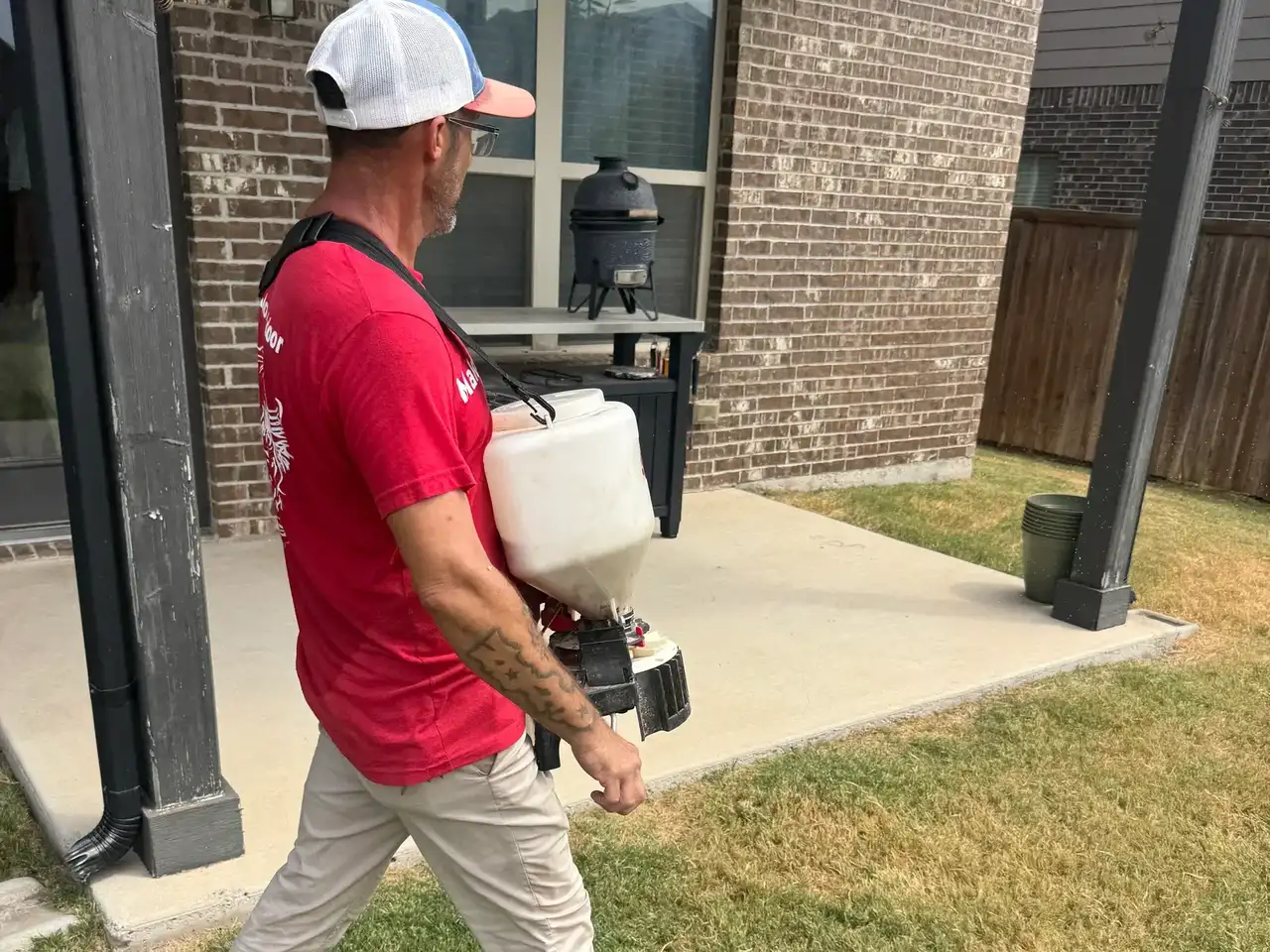
We walk to where the mowing stops and the hay starts, because that boundary is where armyworms cross and where a short-mowed strip helps most. On most Annetta lots it runs most of the way around the house.
Test the turf, not the field
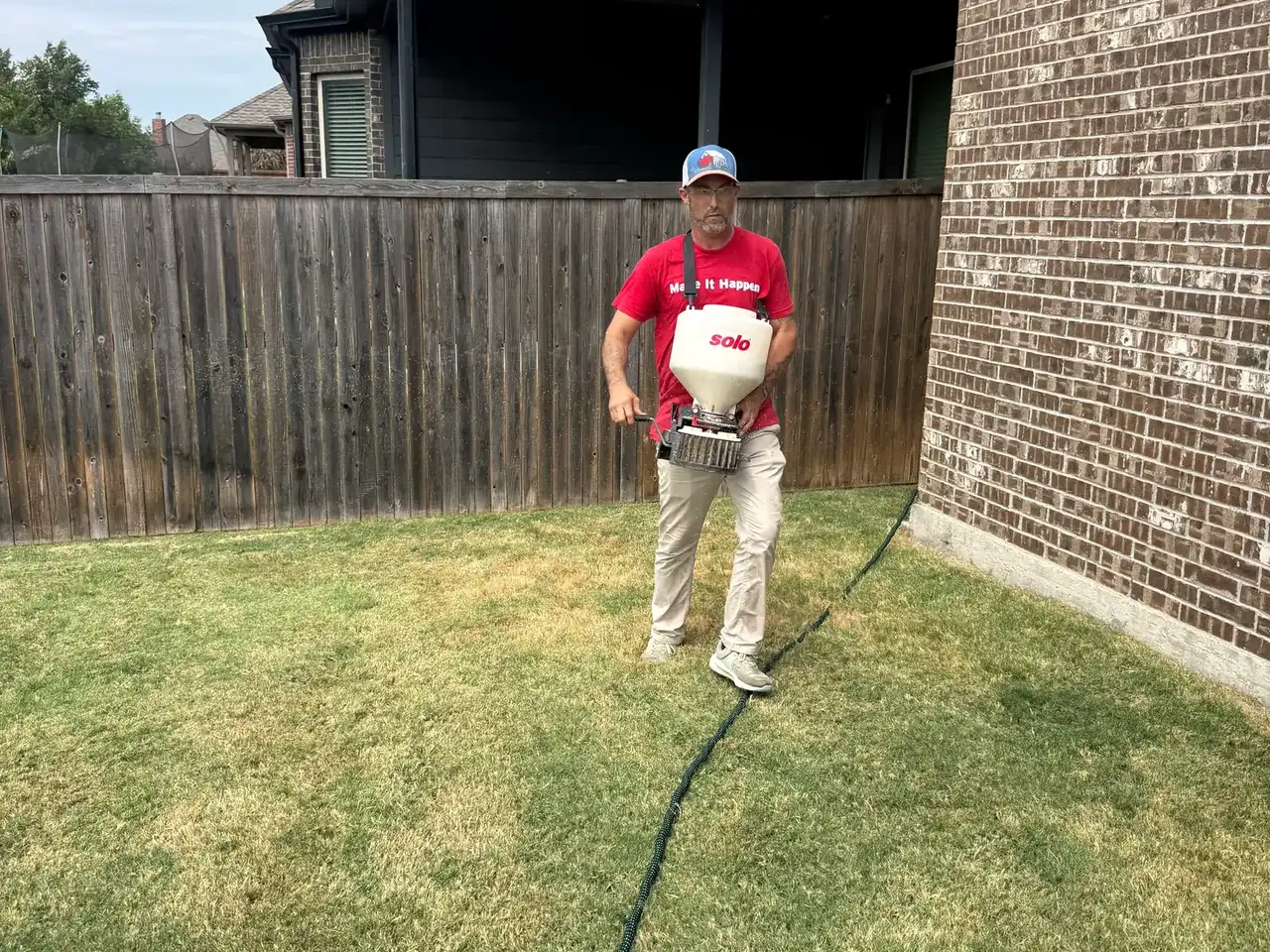
Across the mowed lawn we press for spongy grub damage and lift a corner to count larvae; along any sunny strip of newer sod we float a can for chinch bugs. Both tests are free and both happen before a bag is opened.
The barns and the brick
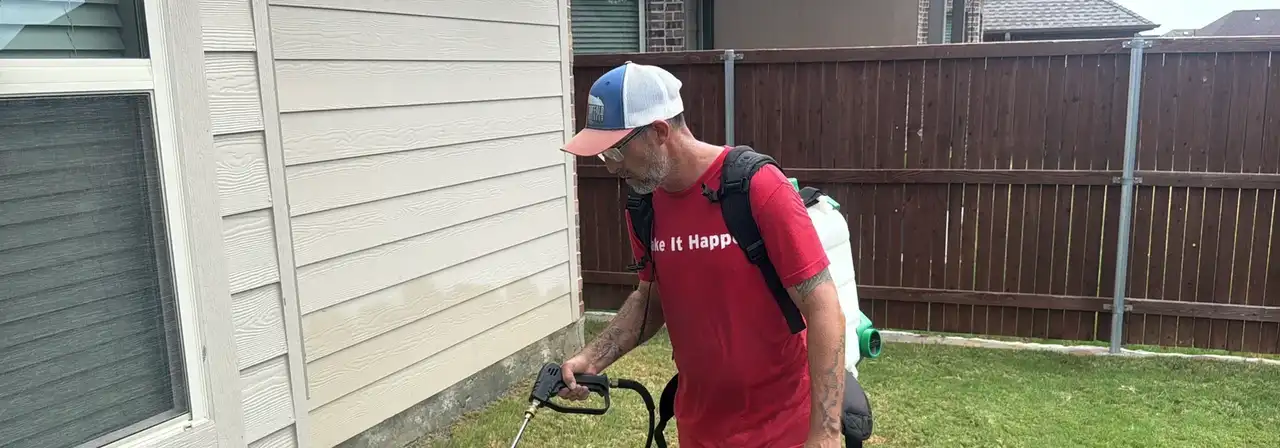
The lawn coverage rides on a year-round plan, so the same visit treats the foundation and eaves, dusts the weep holes with Delta Dust and broadcasts fire ant bait across the yard. We also look at the outbuildings, because that is where the rodent conversation starts on acreage.