RIVER BOTTOM SOIL
Why the Trinity end of town grows the most mounds
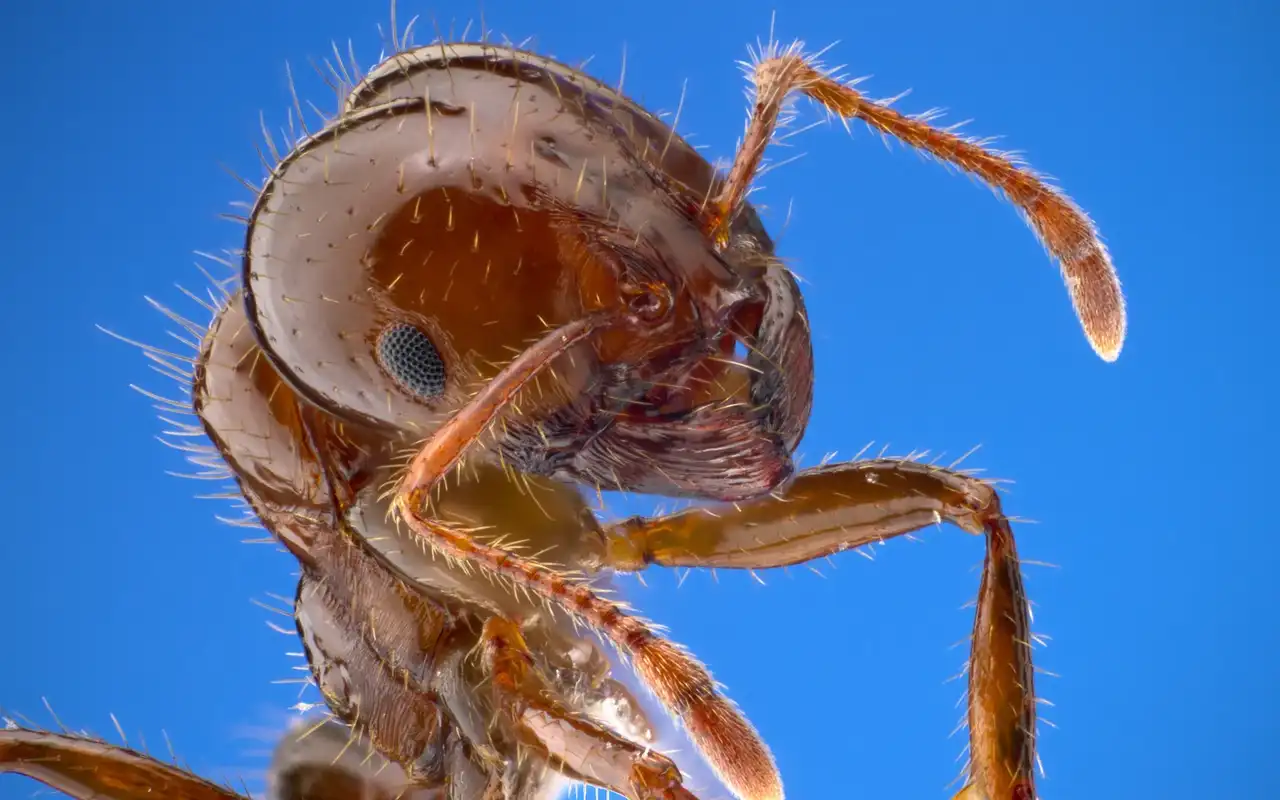
Because disturbed ground is fire ant ground. River Oaks runs along the West Fork of the Trinity, and bottomland gets scoured, silted and re-graded in a way the streets up the hill never are. Every one of those events clears out the established ant community, and no species in North Texas claims empty soil faster than this one.
Up on the older blocks the picture flips over. Houses here mostly date from the 1940s through the 60s and the soil beneath them has had two generations to fill back in, so mounds are occasional and appear where the sun is strongest: the front lawn, the parkway, the ground beside a warm concrete drive. A single property can sit at either end of that range, which is why we walk it before saying anything.
WHAT YOU WILL PAY
Fire ants are included, and the house sets the rest
There is no fire ant price to quote, because the treatment sits inside Home Defender and inside Complete Home & Lawn Defense at no additional charge. Both are priced by the square footage of the house, and River Oaks houses are among the oldest and smallest on our map, which puts most of them at $30 a month, or $33 to $38 a month between 1,500 and 3,000 square feet.
If you would rather have the entire yard treated instead of the perimeter and 25 feet beyond it, Complete Home & Lawn Defense at those sizes is $40 and $40 to $51.50. None of it carries a contract, a startup fee or a cancellation charge, and the price is on the table before you say yes to it.
Under 1,500 sq ft
$30/mo
Most of the 1940s and 50s houses
1,500 to 3,000 sq ft
$33–$38/mo
The later builds
Whole-yard plan
$40–$51.50/mo
Complete Home & Lawn Defense
Every number on this page comes from our published price list. River Oaks homes get the same table as everyone else; the instant quote reads your square footage and lot size and hands you your own line.
SAYING THE QUIET PART
What bait will not fix on an old River Oaks lot
It does not touch what lives under the house. A pier-and-beam crawl space with open vents is a road for rodents and shelter for spiders, and none of that is a fire ant problem or has a fire ant solution. Exclusion is the work there, and for rats and mice it is a $25 a month add-on sitting on top of a year-round plan.
It does not deliver a result this week. The colony has to collect the bait and pass it down before the queen is affected, so give it two to three weeks before deciding whether it worked. A mound that still looks active on day four is a mound behaving exactly as expected.
And it cannot hold the bottomland back by itself. Ground along the river reloads with colonies after every high-water event, so a property down there sees new mounds seasonally no matter how well the last application went. Free retreatment between visits is the part that keeps that from becoming your problem.
SEAL OR SPREAD
Yard work or house work: which does an old home need first?
For fire ants, the yard, and it is not a close call. Fire ants are an outdoor problem that occasionally wanders indoors, so baiting the lawn is where the money should go, and sealing up the structure makes almost no difference to a mound out front.
Everything else about a 1940s house argues the other way. Worn thresholds, cracked mortar, open weep holes and crawl-space vents are how the other ants, the roaches and the scorpions get in, and closing them does more than spraying harder ever will. Both year-round plans carry the bait and the perimeter work together, so nobody is asking you to choose between the two.
FIRST CALL
How a first River Oaks appointment goes
Where the lot sits
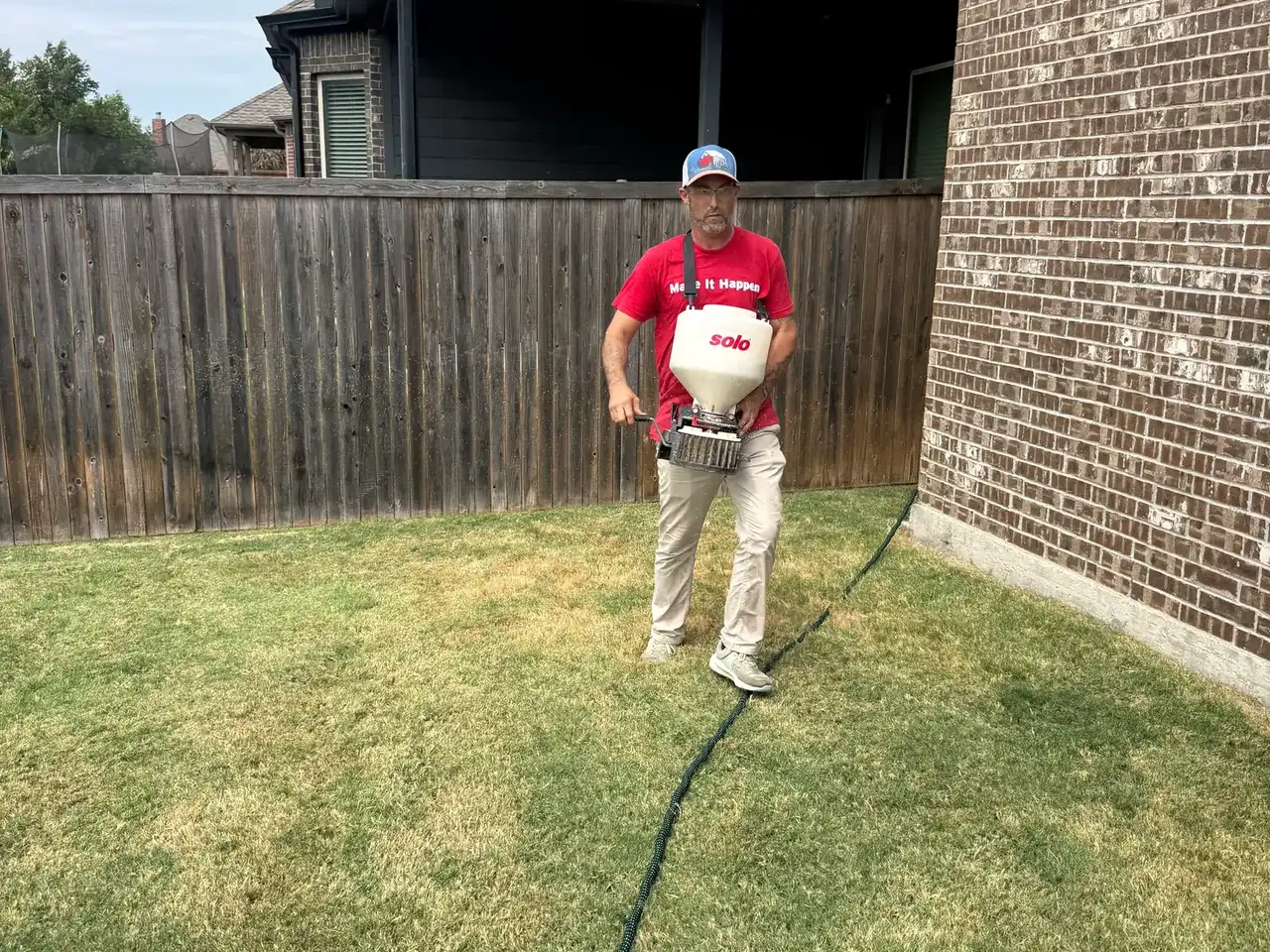
We work out how close the property is to the bottomland and how much of it takes full sun, because those two facts predict a mound count better than anything you could tell us over the phone. Low ground and open turf are what we watch hardest afterwards.
Bait across the turf
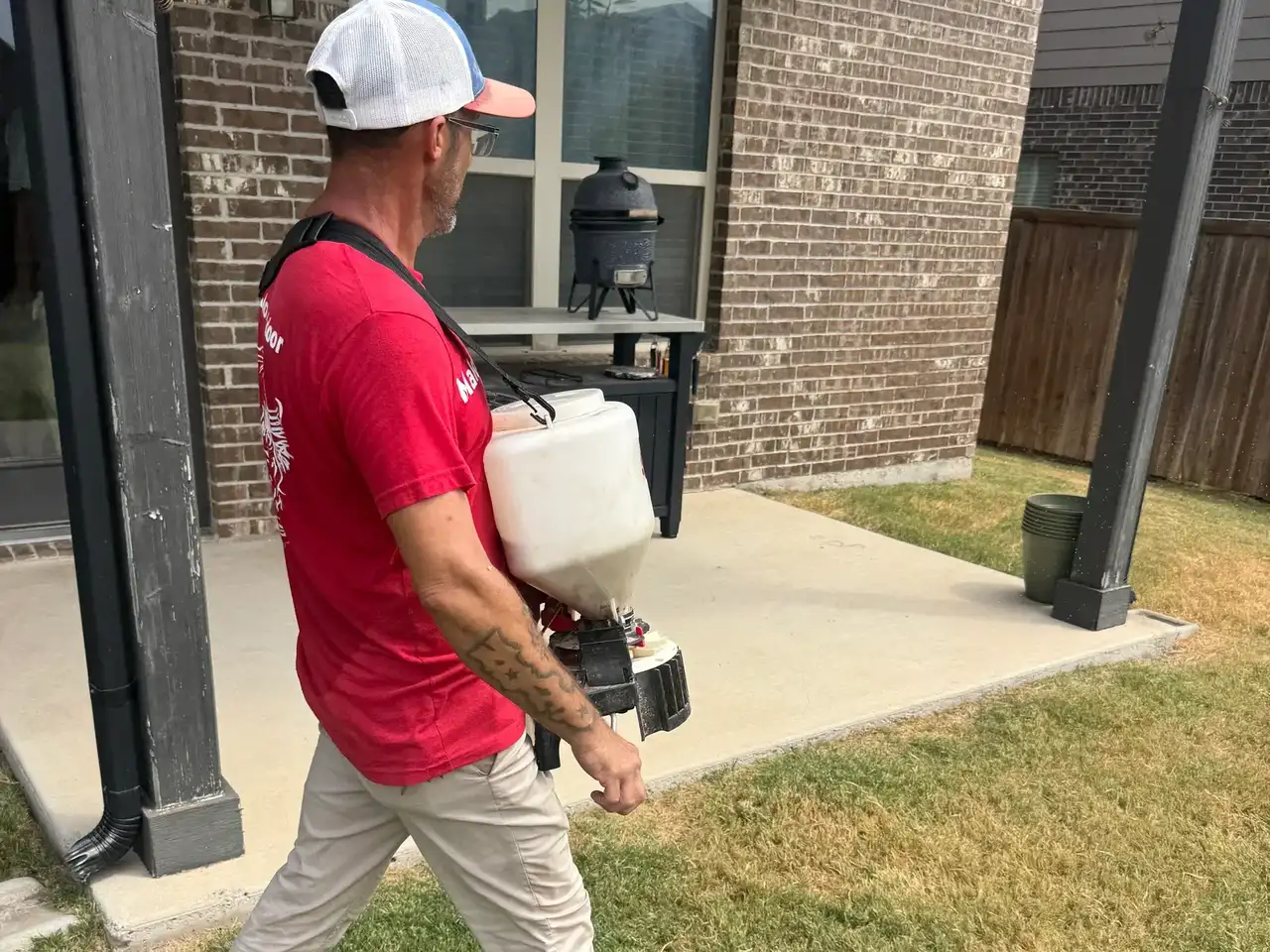
The spreader covers the whole lawn rather than the mounds, at a rate you will not see once it is down. It gets booked into a dry window of roughly a day, because bait rained on before the ants find it is bait that did nothing at all.
The oldest brick on our map
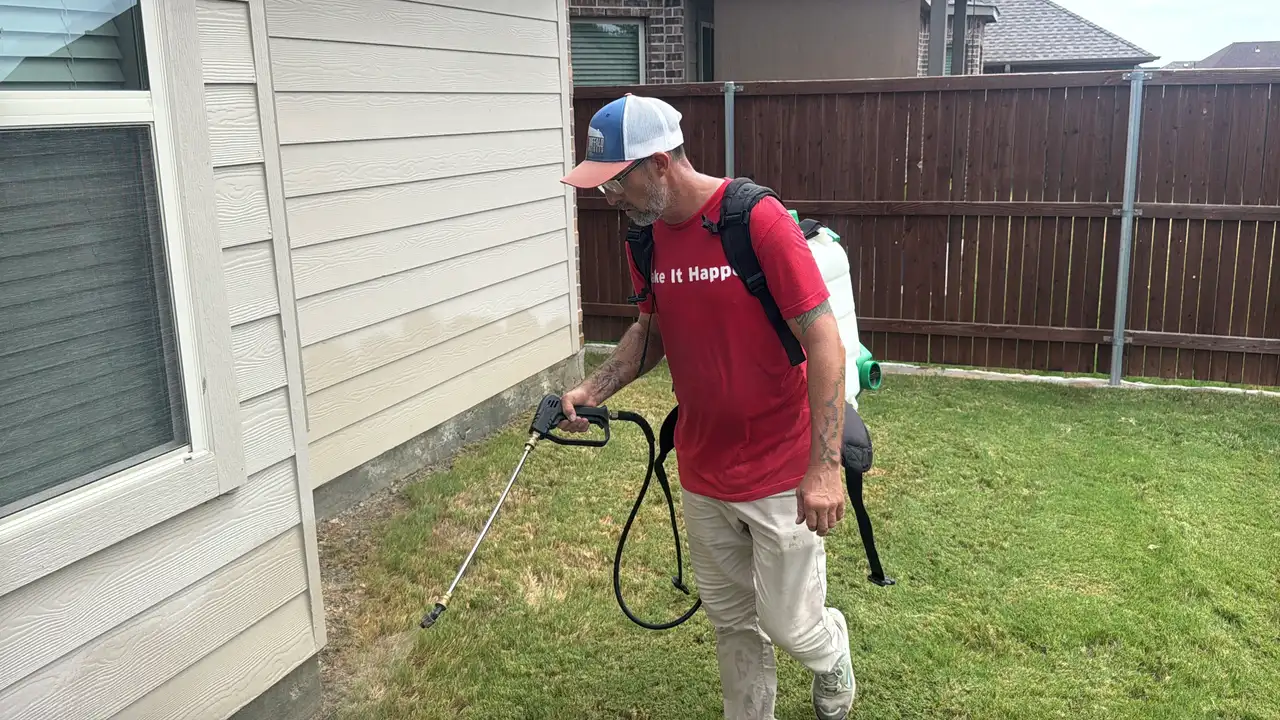
The same appointment treats the foundation line and the eaves, dusts the weep holes with Delta Dust and looks hard at thresholds, vents and utility penetrations. On housing this age that inspection is usually the most valuable thing we do all visit.