THE RIVER BOTTOM
Living next to water that never stops producing
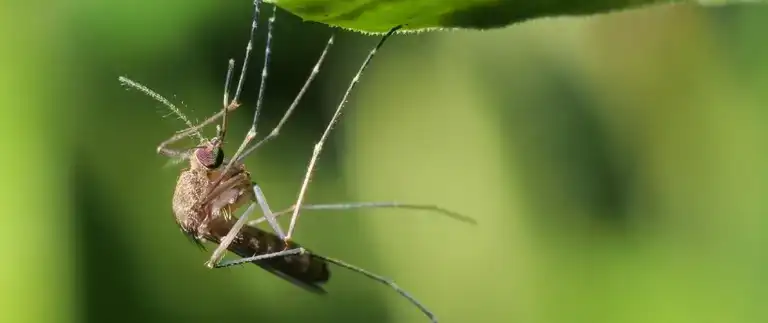
The West Fork of the Trinity and the low ground alongside it hold water when nothing else in Tarrant County does, and that is the single biggest fact about mosquitoes in River Oaks. Backwater pools, damp bottomland vegetation and drainage running to the river keep a hatch going through the whole warm season, so the streets closest to that low ground carry a heavier load than the ones up the slope.
The housing does its part too. Most of River Oaks dates to the 1940s through the 60s, which means large trees, deep shade and, on the pier-and-beam houses, a cool dark space under the floor. Every one of those is daytime shelter. The program fogs that resting cover every 21 days, April through September, and treats the turf and bed edges for fleas and ticks at the same stop.
LOW BANDS HERE
What a River Oaks yard costs a visit
The lot is measured, not the house, and the older platting in River Oaks keeps most addresses in the bottom two bands at $49.95 or $59.95 a visit. Deeper lots toward the river reach $69.95. None of it moves for the age of the house, the number of trees or how bad last summer was.
Charges follow the visits, which means no season is bought in advance and no contract is signed. There is no startup fee and no penalty for stopping, and re-treats between scheduled visits are part of the deal rather than an upsell. You can pull your own figure from /instant-quote before speaking to anyone.
Lots of 7,000 sq ft or less
$49.95 a visit
The standard older River Oaks lot
Lots from 7,001 to 12,000 sq ft
$59.95 a visit
Wider parcels around town
Lots from 12,001 to 17,000 sq ft
$69.95 a visit
Deep lots toward the bottomland
Every number on this page comes from our published price list. River Oaks homes get the same table as everyone else; the instant quote reads your square footage and lot size and hands you your own line.
NO OVERSELLING
What a barrier cannot do about a river
It cannot dry the bottomland. The Trinity corridor is a continuous source on ground nobody here owns, and adults emerging there will reach houses on the near streets no matter what is applied inside a fence. A barrier stops your own hedges, canopy and fence line from adding to the total and from holding a resident population between hatches, which is the share you can actually pay to change.
It also has an expiry date. Peak-season product holds around three weeks and a heavy storm off the river cuts into that, so the cycle is set at 21 days and anything that surges back early is re-treated without another bill. That is a warranty, not a sales line, and it exists because the alternative is pretending a single fog lasts a summer.
The last limit is the house itself. Older River Oaks homes have screens, thresholds and crawl-space vents that have loosened over seventy years, and a mosquito indoors came through one of them. Outdoor fogging does not seal a gap, and we will tell you so instead of adding visits.
WHICH PROGRAM
Seasonal fogging or a year-round plan?
They do different jobs, and only one of them is a mosquito product. Mosquito, Flea & Tick runs April through September on a 21-day cycle and is aimed at flying adults resting in vegetation, priced on the lot. The year-round plans are built around the house and the ground next to it, four visits a year, with fire ant treatment and dusted weep holes, and they are priced on the square footage of the home.
So if the complaint is the back yard at dusk, the seasonal program is what changes it, and the year-round plan on its own will not. If the complaint is spiders, roaches and ants at the foundation, the reverse is true. Plenty of River Oaks households near the bottomland run both, and it is worth asking us which one your actual problem calls for rather than buying both by default.
FIRST APPOINTMENT
What we do the first time we treat
Working from the low side up
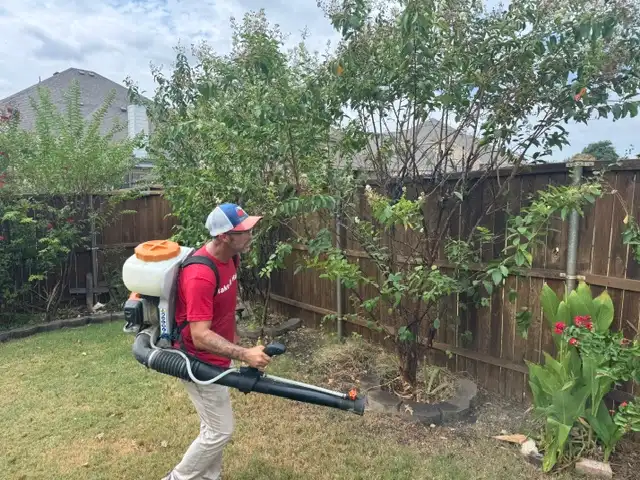
The walk starts at whichever boundary sits closest to the low ground or drainage, because that is where arrivals come from and where the dampest cover grows. From there the technician marks the shaded runs along the house, the beds and the fence.
Fog into the cover
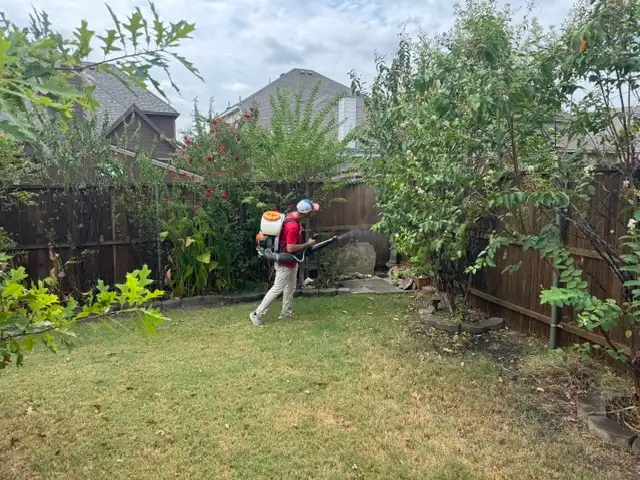
Ornamental trees, hedge lines, shrub beds, deck skirting and shaded structures take the fog. Turf and bed edges take a separate pass for fleas and ticks. The open lawn is not the target, because at midday there is nothing in it to hit.

Water, and what to do about it
Anything holding rain gets flagged: gutters under old trees, buckets, a tarp, a wheelbarrow, the corner of the yard that drains slowly toward the river. What cannot be emptied is treated with larvicide, and you get a text when the truck is on its way so the gate can be open.