WATER CHANGES THE ANSWER
Why these lawns fool people in both directions
Two things drive the turf insect work in Lake Worth: the water and the age of the streets. Homes near the shoreline tend to be irrigated generously, and heavily watered St. Augustine is a grub nursery, because the beetles laying the eggs go for soft, moist soil. Further up on the mid-century streets the grass is old Bermuda that has been in the ground for decades and browns for a dozen reasons that have nothing to do with insects.
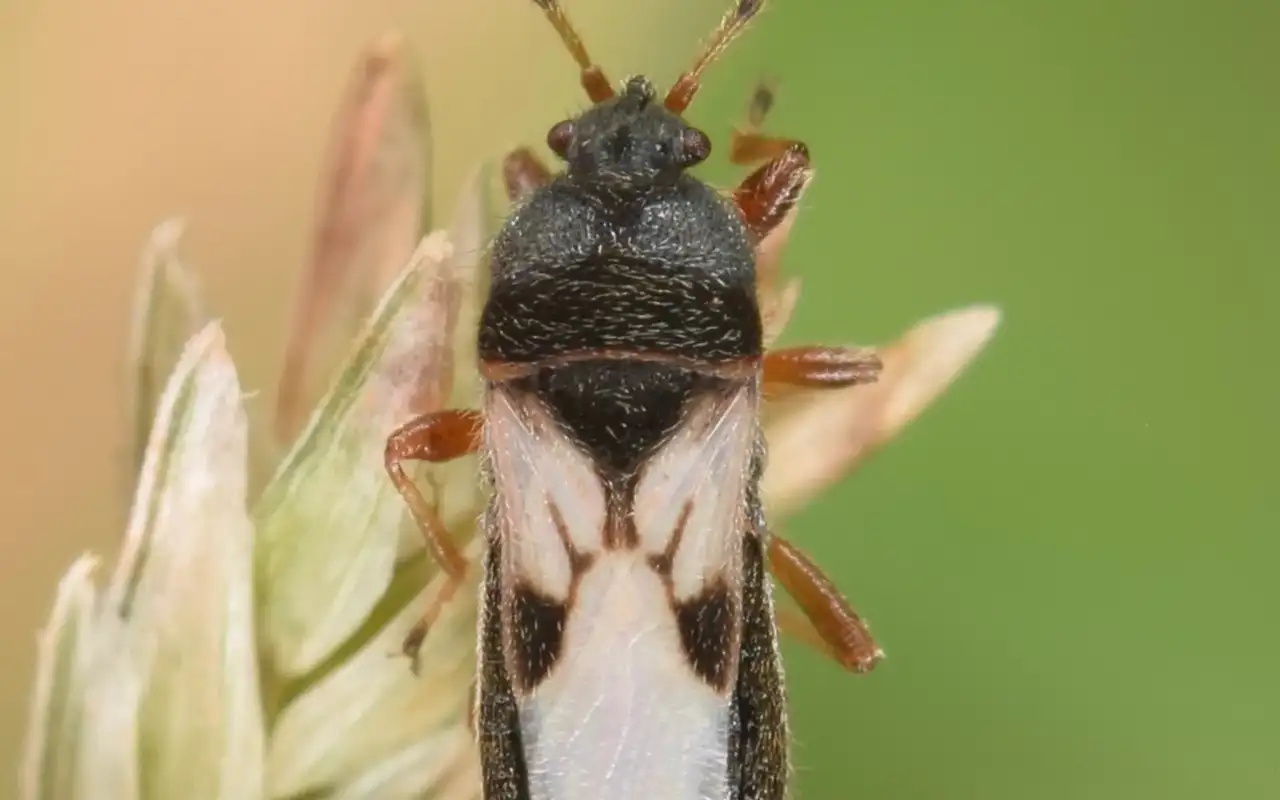
The fooling happens both ways. A lakeside lawn with plenty of water can still go brown from chinch bugs, which block the plant's plumbing so the moisture never reaches the blade, and the owner keeps running the sprinklers at it. Meanwhile a genuinely dry patch on an unirrigated older lot gets sold an insecticide by somebody who never tested. We test before anything goes on the grass.
WHAT IT COSTS
Lawn insect pricing for a Lake Worth home
There is no stand-alone price for this, because whole-lawn insect coverage is part of Complete Home & Lawn Defense at $40 to $73.50 a month. The cheaper Home Defender plan, $30 to $54 a month, includes the applicable lawn treatment within about 25 feet of the house. Both bill monthly on the square footage of the home, not the lot, and neither ties you to a term.
Lake Worth housing runs from small older places to larger builds nearer the water, so the spread across the table below is wide here. Retreatment between scheduled visits is covered, and if the number you are quoted does not match the published band for your size, ask why, because there should be a specific reason.
Up to 1,500 sq ft of house
$40/mo
Whole-lawn plan, common on the older streets
1,500 to 3,000 sq ft
$40–$51.50/mo
The middle of Lake Worth housing
3,000 to 4,500 sq ft
$51.50–$62/mo
Bigger places nearer the water
Home Defender equivalent
$30–$46/mo
Lawn treated to about 25 feet out
Every number on this page comes from our published price list. Lake Worth homes get the same table as everyone else; the instant quote reads your square footage and lot size and hands you your own line.
THE LIMITS
What lawn insect control will not do by the lake
It will not rescue turf that drowned. Low ground near the water that stays saturated after spring rain loses grass to root rot and compaction, and both look a lot like grub damage from the kitchen window. An application there costs money and changes nothing; drainage is the actual job.
It will not undo damage that has already happened. We kill the insect, and after that recovery is turf work: watering, feeding, and in the bad spots resodding. We will say plainly which patches are going to fill back in and which ones are finished.
And it is not a mosquito service. The lake brings mosquitoes and the turf program has nothing to do with them, so if that is why you called, Mosquito, Flea & Tick is a separate thing priced on lot size, from $49.95 a visit every 21 days April through September.
DIY VS A PROGRAM
Bag from the hardware store, or the plan?
A bag of granular grub control will kill grubs if you put it down in late summer while the larvae are small, water it in properly, and picked the right insect to begin with. Plenty of Lake Worth homeowners do exactly that and get a decent result, and we will tell you so rather than talk you out of it.
Where it goes wrong is diagnosis and calendar. The same bag does nothing for chinch bugs sitting in the thatch, nothing for a fungus, and very little against October grubs that are large and deep. The plan buys you somebody who tests first, treats the right layer in the right month, and comes back at no charge when it returns.
THE WALK-ROUND
What gets checked on a Lake Worth property
The sunny edges
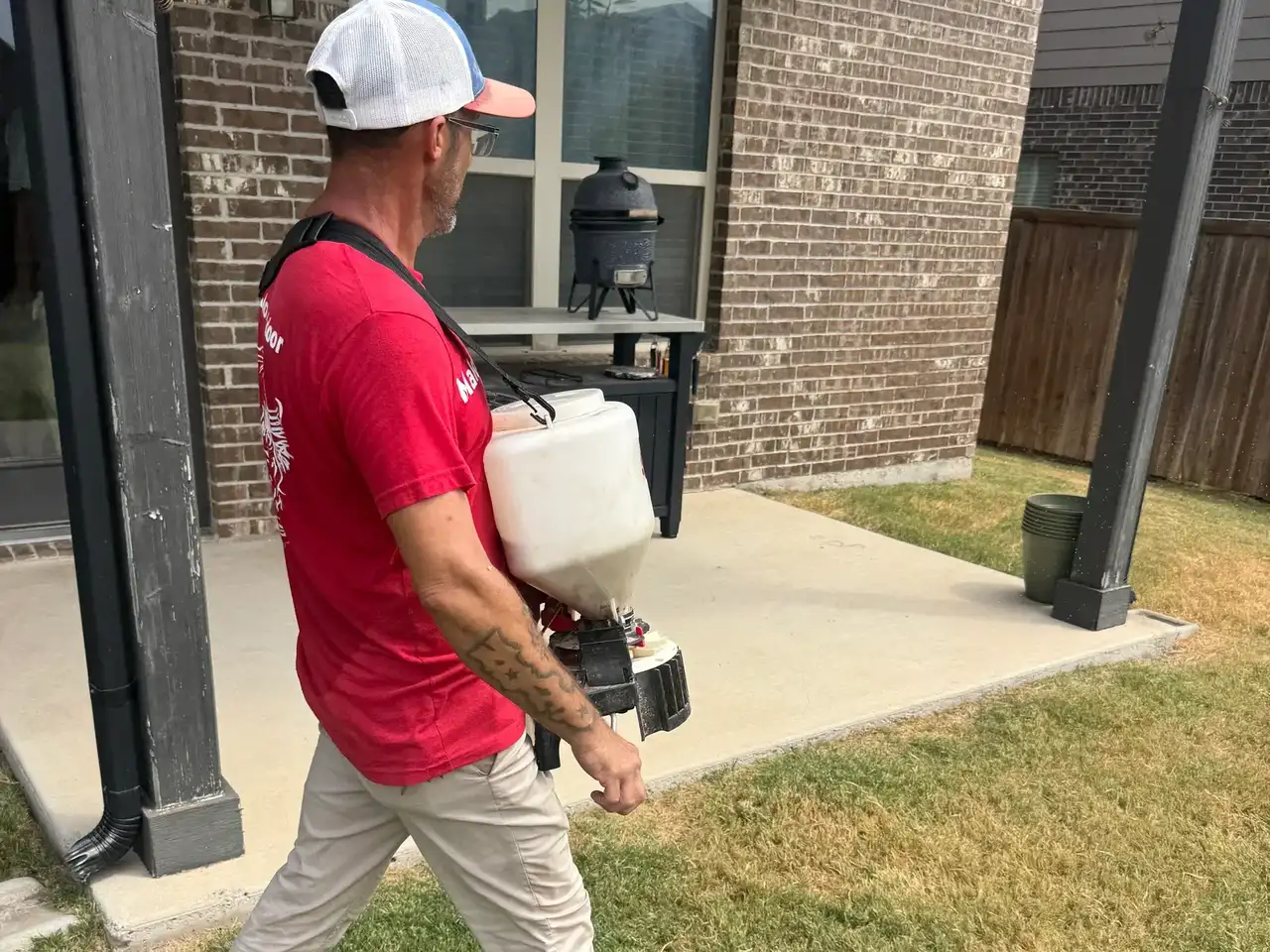
Damage that starts along a driveway, a sidewalk or a south-facing strip is the chinch bug signature, so those hot margins get looked at before the middle of the lawn does. Pushing a bottomless can two inches into the soil at the green-to-brown line and keeping it full of water floats them up inside ten minutes.
The wettest corner
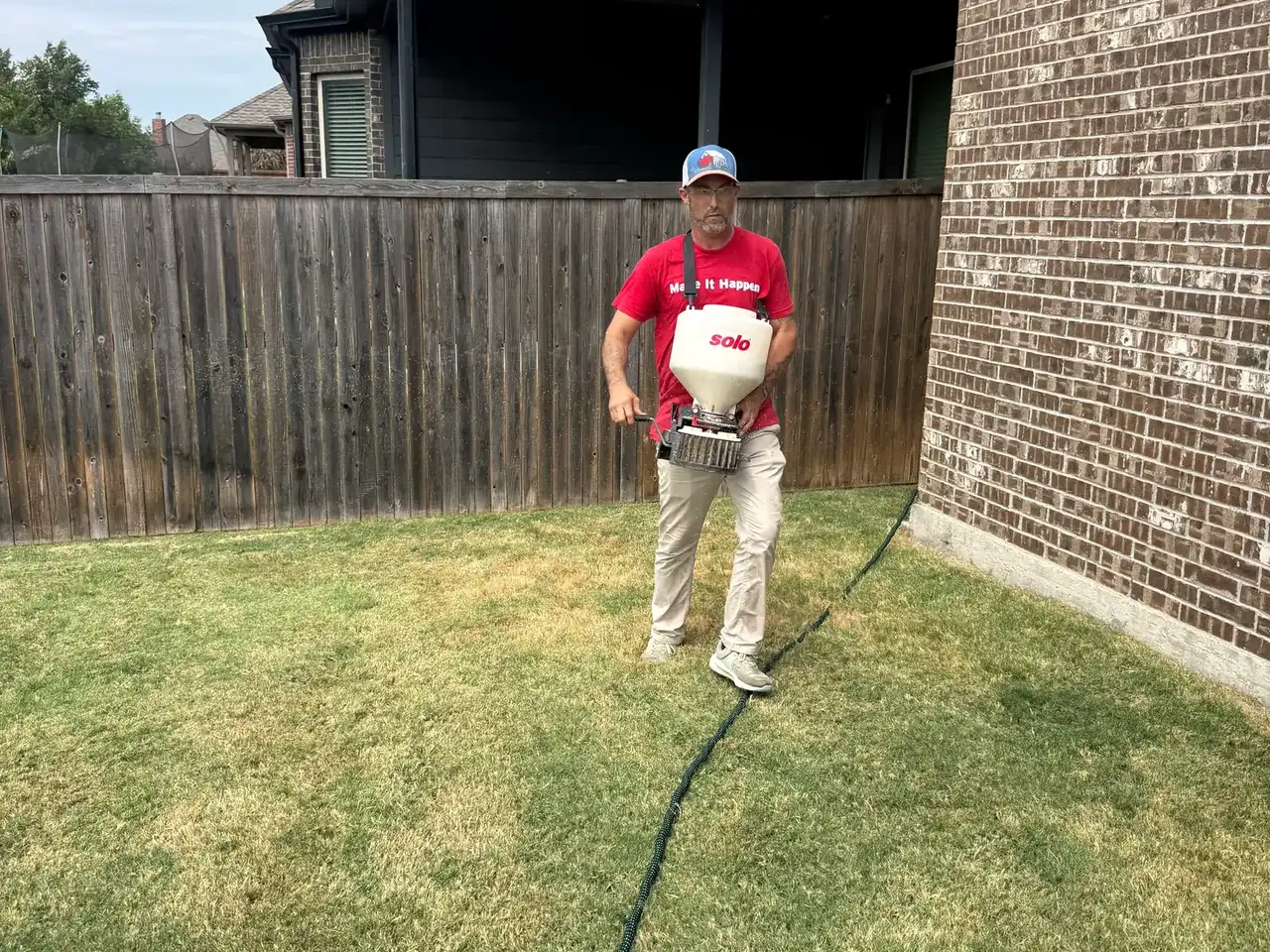
Near the lake there is almost always a low spot that holds water, and it tells us whether we are dealing with insects or with soil. If the grass there is thin because the ground is spongy from moisture rather than from missing roots, we say so and leave the turf alone.
The rest of the plan
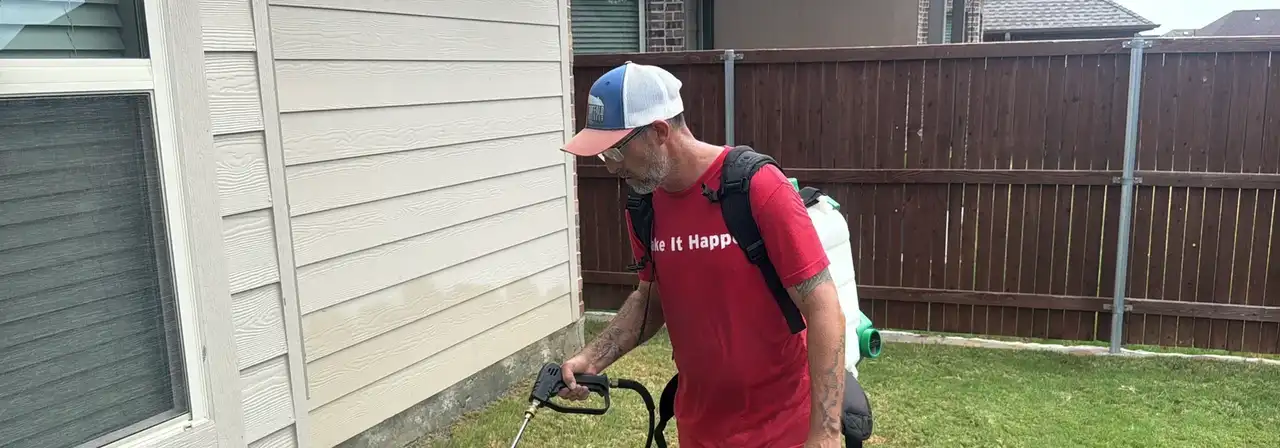
Lawn coverage comes attached to a year-round plan, so the first visit also bands the foundation, treats the eaves, dusts weep holes and broadcasts fire ant bait. On older Lake Worth brick the weep holes and door sweeps are usually the most productive ten minutes of the appointment.