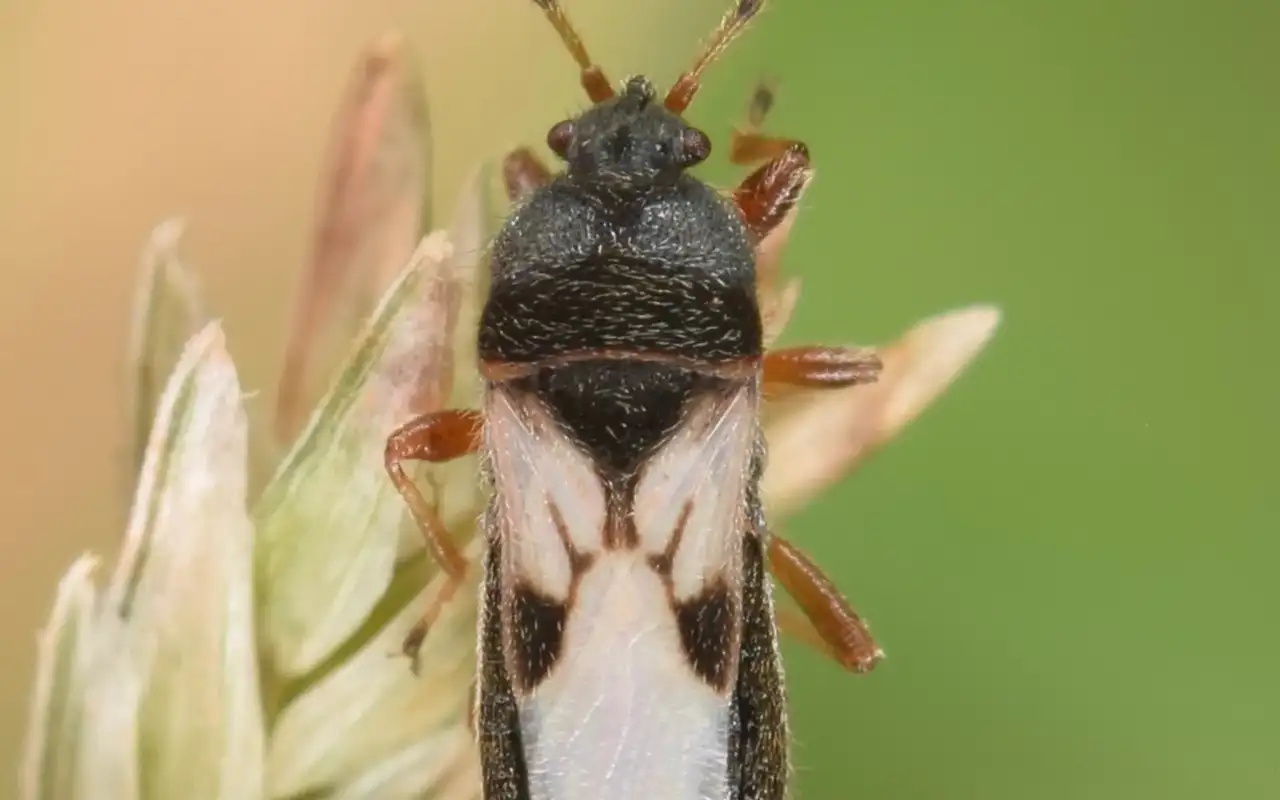
MANICURED AND VULNERABLE
Why a well-kept lawn still fails
A lush lawn is not a protected lawn. Trophy Club yards are irrigated, fertilised and mown short to match the neighbourhood, and that produces exactly the soft, moist, thickly thatched turf beetles choose to lay eggs in and chinch bugs shelter in. The better maintained the grass, the more worth eating it becomes.
There is a second wrinkle here: the rough. Lots along the fairways sit beside grass deliberately left long, and in late summer that is where fall armyworms accumulate before moving onto something shorter and greener. If your lawn looks scalped overnight in September, the direction it came from is usually the course side.
WHAT YOU ARE QUOTED
Trophy Club pricing, plainly
Almost nobody in the county publishes this, so here it is: whole-lawn insect coverage sits in Complete Home & Lawn Defense at $40 to $73.50 a month, and Home Defender is $30 to $54 a month with the turf treated to about 25 feet from the house. Both are priced on the square footage of the home and both are month to month.
Trophy Club houses skew large, so most of the town reads from the lower half of the table, and homes above 6,000 square feet are quoted on their own. There is no startup charge and no penalty for cancelling, and you have the figure before anybody comes out.
3,000 to 4,500 sq ft
$51.50–$62/mo
A very common Trophy Club size
4,500 to 6,000 sq ft
$62–$73.50/mo
Whole lawn, larger course-side homes
Over 6,000 sq ft
Quoted
Individually worked out, no surprises
Home Defender, 3,000 to 6,000 sq ft
$38–$54/mo
Turf within roughly 25 feet only
Every number on this page comes from our published price list. Trophy Club homes get the same table as everyone else; the instant quote reads your square footage and lot size and hands you your own line.
THE AWKWARD TRUTHS
What a lawn program cannot promise here
It cannot keep your grass to course standard. Fairways are maintained daily by a crew with equipment no homeowner owns, and comparing a domestic lawn to the one over the fence is a losing exercise. Our job is to stop insects killing your turf, not to make it look professionally groomed.
It cannot treat the course or the rough. Those belong to somebody else and we work only on property we are engaged for, so armyworms staging in long grass beyond your fence are outside what any treatment of yours can reach. Treating your side and watching the boundary is the realistic plan.
It cannot fix a fungus, and in a heavily irrigated Trophy Club yard fungus is a genuine contender. Brown patch spreads in damp, warm, well-watered turf and resembles insect damage closely enough to be misread constantly. When our tests come up empty, we say it is not bugs rather than treating anyway.
LAWN CREW VS PEST PLAN
Your mowing service and this are not the same thing
A lawn maintenance company mows, edges, feeds and often applies weed control, and plenty of them do it well. What most do not do is diagnose turf insects, because that is a different licence and a different habit of looking, and fertiliser on a chinch-infested lawn simply feeds the insect's food supply.
Being fair about the overlap: if your lawn crew already puts a grub preventive down at the right time of year, you may not need a second one, and we will say so rather than double you up. Tell us what they apply and when, and we fit around it instead of stacking product on the same turf.
FIRST APPOINTMENT
How we start on a Trophy Club lawn
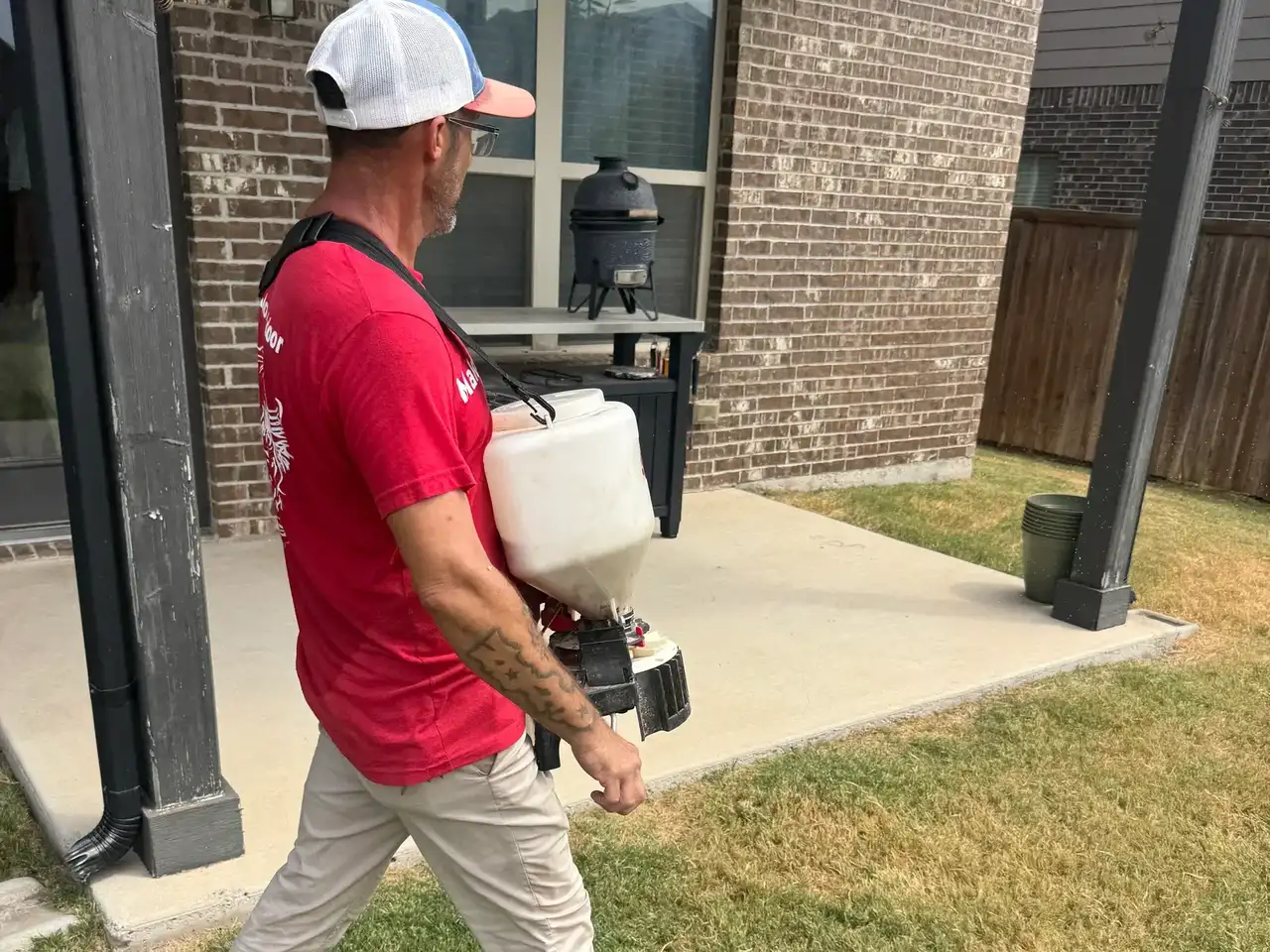
The fence line by the rough
Course-side lots get their back boundary walked first, because long grass beyond it is the staging ground for armyworms and much of the chigger and tick pressure as well. That walk decides where the treated buffer sits.
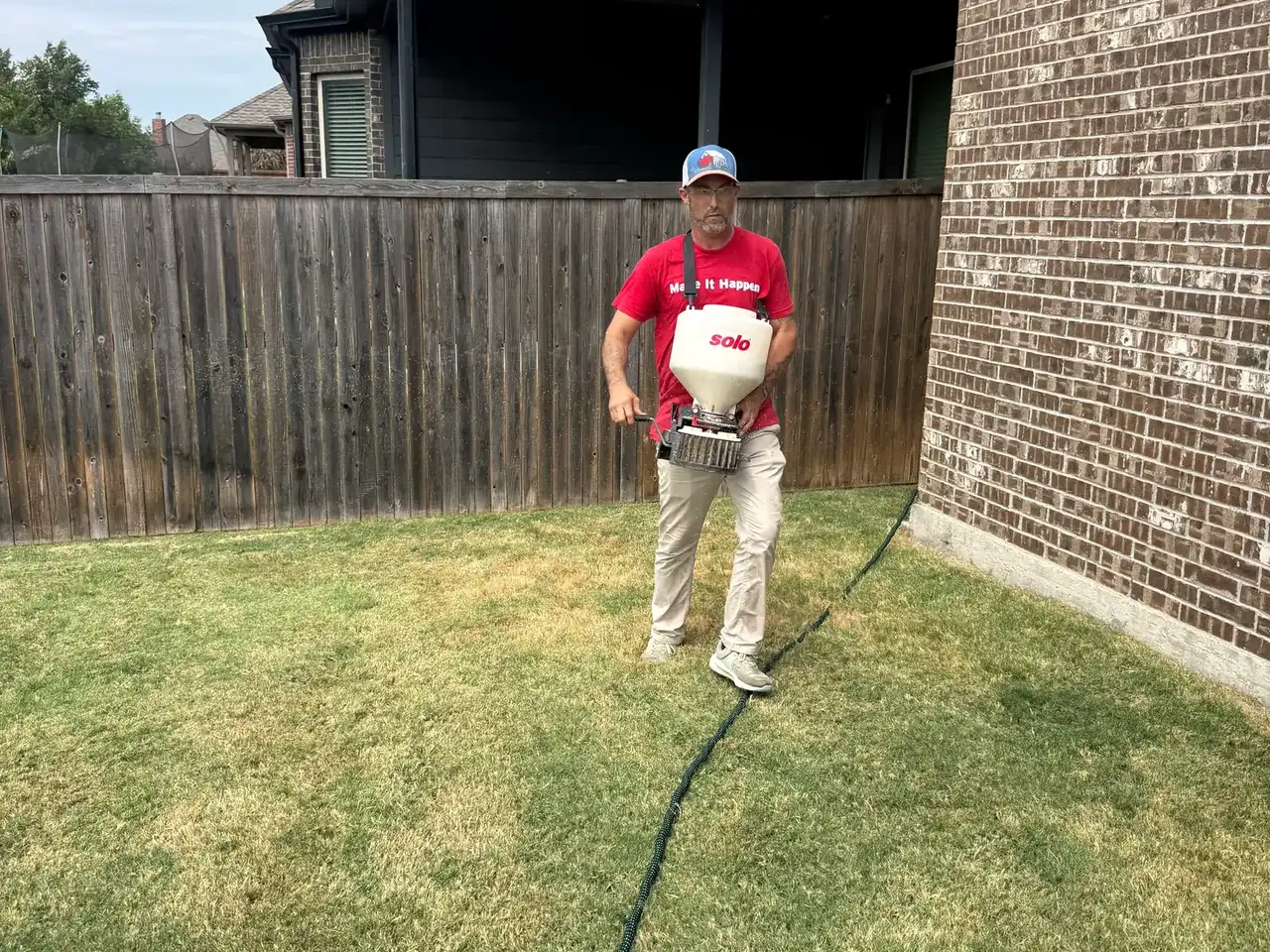
Thatch depth
On heavily fed, frequently watered turf the thatch layer builds up, and thick thatch is both a chinch bug hiding place and a barrier that stops product reaching grubs below. We check it, and if it needs dethatching we tell you even though that is not work we sell.
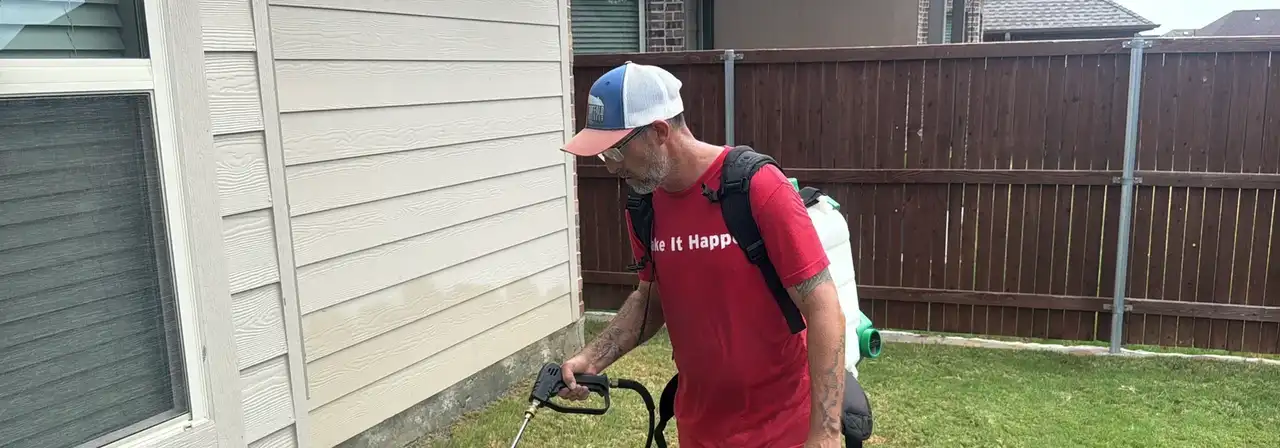
The beds against the brick
Because the turf treatment rides on a year-round plan, the same visit handles the perimeter: mulch depth, shrubs touching the wall, sprinklers wetting the slab, Delta Dust in the weep holes and fire ant bait across the yard. Tight HOA landscaping makes that half of the visit worth as much as the lawn half.