ESTATE LOTS, DEEP SHADE
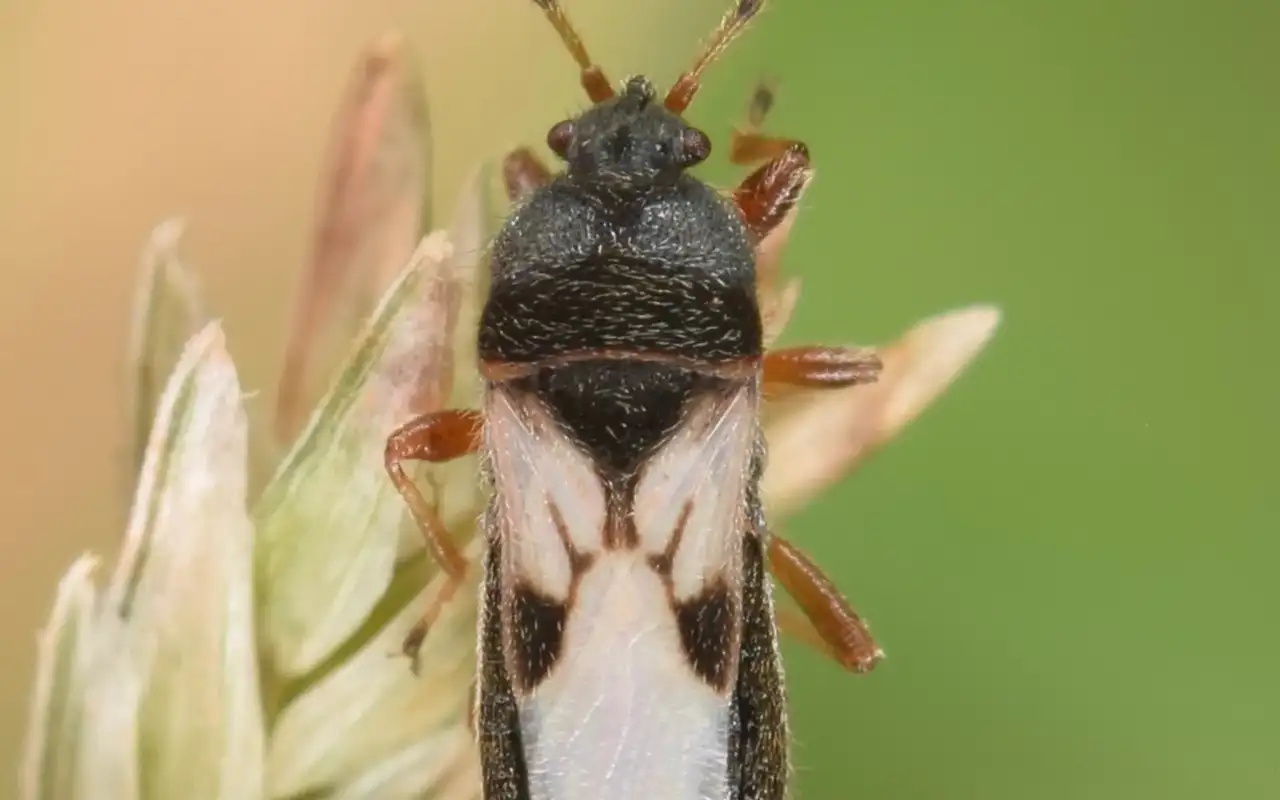
Do Westover Hills lawns even get chinch bugs?
Rarely, and when they do it is in the one sunny strip along a driveway or a south-facing wall where the turf bakes. The rest of a Westover Hills lawn sits under some of the heaviest oak and pecan canopy in Tarrant County, kept damp by irrigation, and chinch bugs have no use for cool shaded grass. That leaves grubs and, in a wet late summer, armyworms.
Grubs like exactly what these lawns offer: thick, well-watered turf with a deep root zone for the larvae to feed in. The tell is not colour at first but a sponginess underfoot, then patches that lift away when pulled, and often a run of holes where birds or an armadillo have been digging the larvae out overnight.
WESTOVER HILLS PRICING
What the whole-yard plan costs on a large house
Complete Home & Lawn Defense covers the entire lawn and is priced on the square footage of the home, so most Westover Hills properties land in the upper two bands: $51.50 to $62 a month for a 3,000-to-4,500-square-foot house and $62 to $73.50 for 4,500 to 6,000. Homes over 6,000 square feet, of which the town has plenty, are quoted individually, and you see that quote before you agree to anything.
Home Defender is the cheaper route at $38 to $54 a month for the same sizes, but its lawn treatment stops about 25 feet from the wall. On an estate lot that ring is a fraction of the grass, so it is the wrong plan if grubs are the reason you are calling. Neither plan is a contract and neither carries a startup or cancellation fee.
3,000 to 4,500 sq ft
$51.50–$62/mo
Complete Home & Lawn Defense, full lawn
4,500 to 6,000 sq ft
$62–$73.50/mo
Common in Westover Hills
Over 6,000 sq ft
Quoted
Many of the town's homes, priced individually
Home Defender, 4,500 to 6,000 sq ft
$46–$54/mo
Lawn treated to about 25 feet only
Every number on this page comes from our published price list. Westover Hills homes get the same table as everyone else; the instant quote reads your square footage and lot size and hands you your own line.
THE CANDID PART
What a lawn insect program cannot do under Westover Hills canopy
It cannot make grass grow in the dark. A good share of the thin turf on these lots is losing to shade, not to any insect, and no granular product changes how much light reaches the ground. That conversation is about pruning, mowing height and in some places giving up on turf under the trees.
It cannot rebuild a root system either. When grubs have hollowed out a section, the treatment stops the feeding, and the rest is water, fertility and on a bad patch new sod. On lawns this size that resodding can be a real cost, which is why catching grubs small in late summer matters more here than almost anywhere.
And it should not be bought for a fungus. Brown patch and dollar spot thrive in exactly the damp, shaded, irrigated conditions a Westover Hills lawn provides, and both look like insect damage from the terrace. If the tug test and the float test come back clean we say it is disease or water, and we do not sell an insecticide against it.
TWO PLANS, ONE BIG LAWN
Home Defender or Complete on a Westover Hills lot
The honest comparison here is short. Home Defender treats the applicable lawn out to roughly 25 feet from the foundation, which on a small city lot might be most of the yard. On a Westover Hills property it is a band around the house, and grubs feeding in the middle of a broad back lawn are outside it. Complete Home & Lawn Defense is the plan built for that.
The exception is a homeowner whose only worry is the perimeter pests, with a landscape crew already handling turf health. Home Defender does that job well, and if damage turns up further out later, moving to the whole-yard plan is a phone call rather than a new contract, because there is no contract in the first place.
WALKING THE PROPERTY
Our first look at a Westover Hills lawn
Sun map first
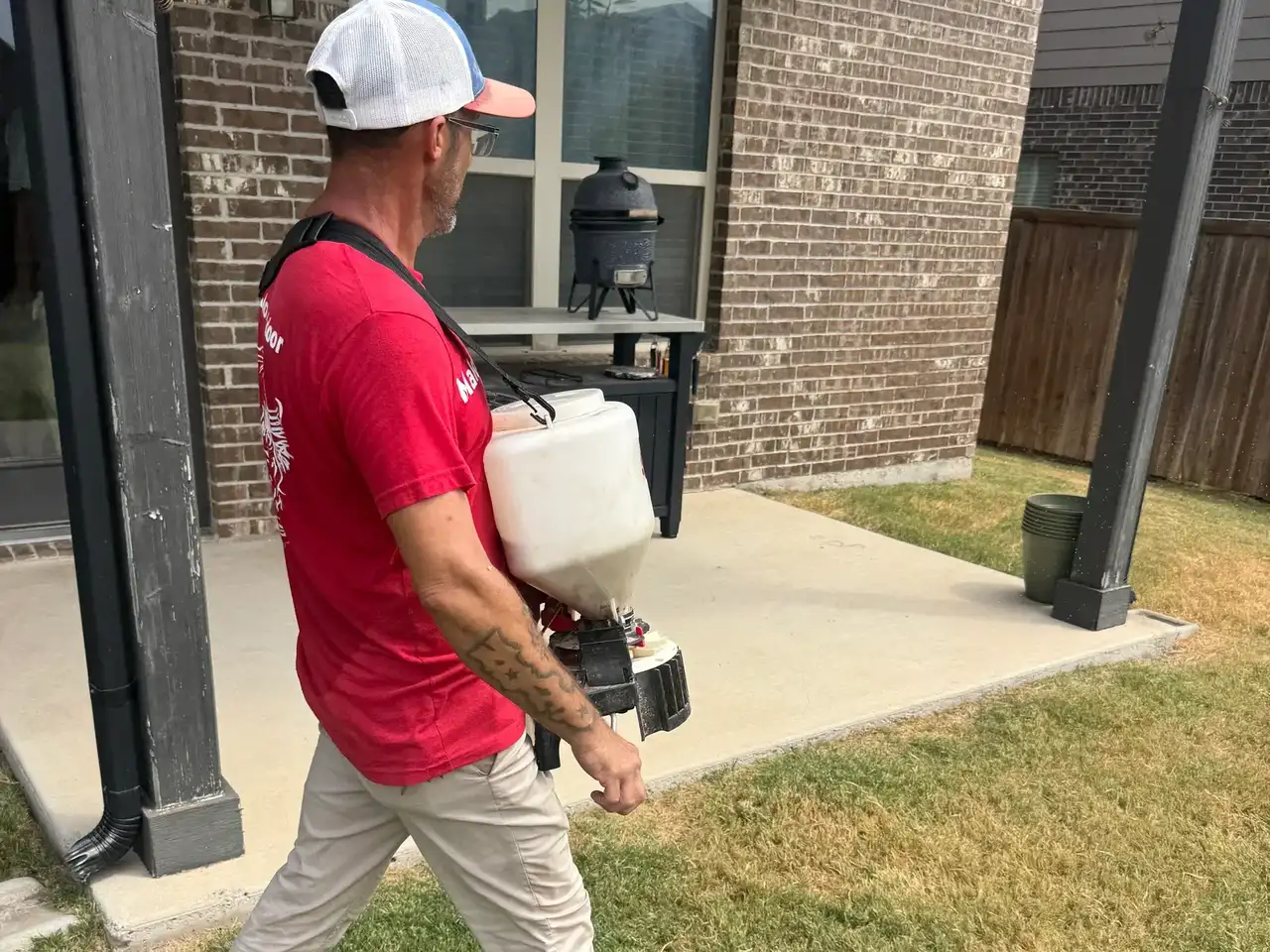
We find the few places the turf actually bakes: the driveway edge, the pool deck surround, a south wall. Those are the only spots worth floating a can for chinch bugs, and on most of these lots they are small.
Count, do not guess
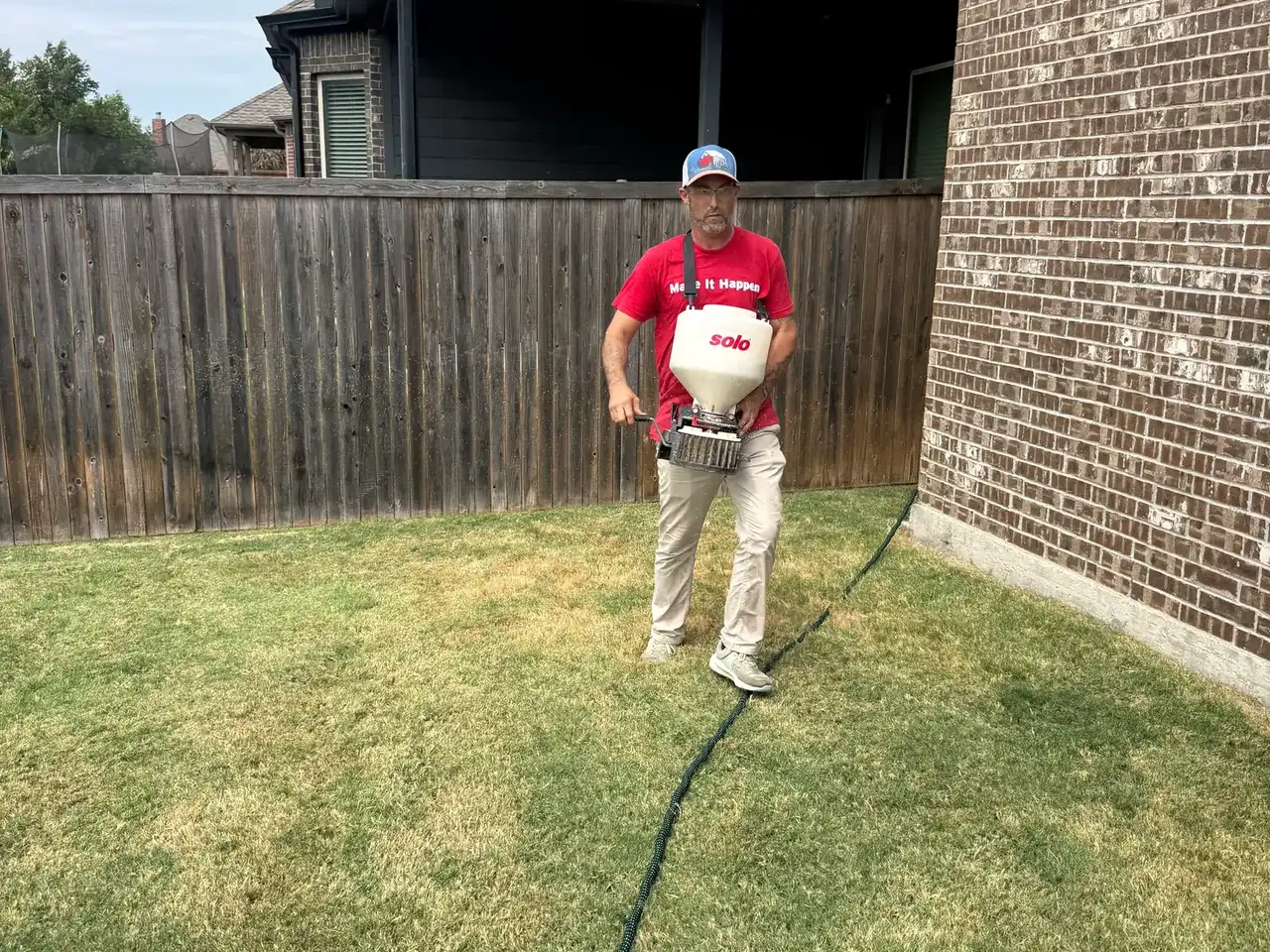
Across the shaded, irrigated bulk of the lawn we press for sponginess, lift the turf where it gives and count larvae in a square foot. More than five is treatable, and on a lawn this large we check more than one spot before deciding.
Broadcast and irrigate
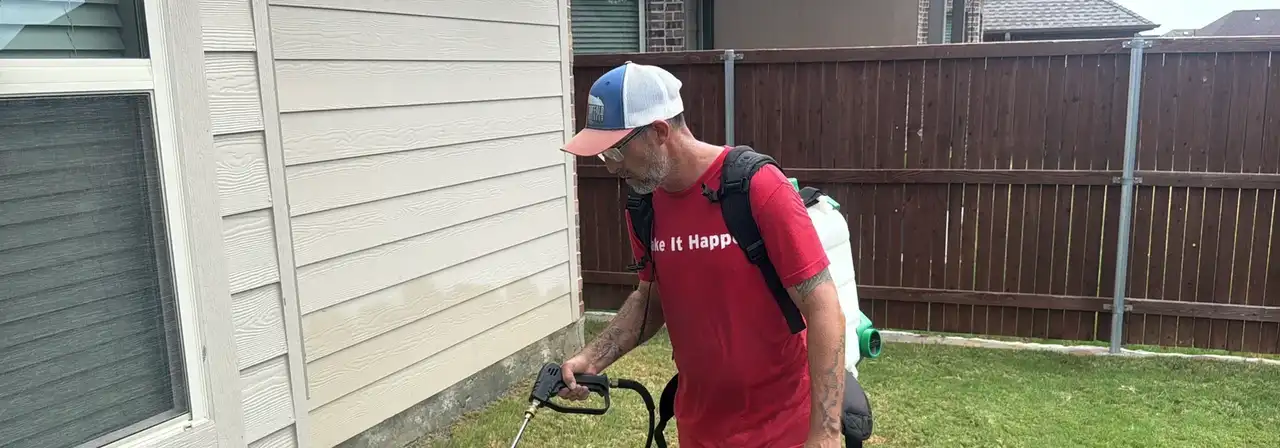
Granular product goes out across the full lawn with a spreader, then your irrigation carries it down to the root zone, because grub product that stays in the thatch does nothing. We coordinate the run time with whoever manages your system.