SMALL TOWN, BIG WATER
Mosquito pressure in a city that is mostly shoreline
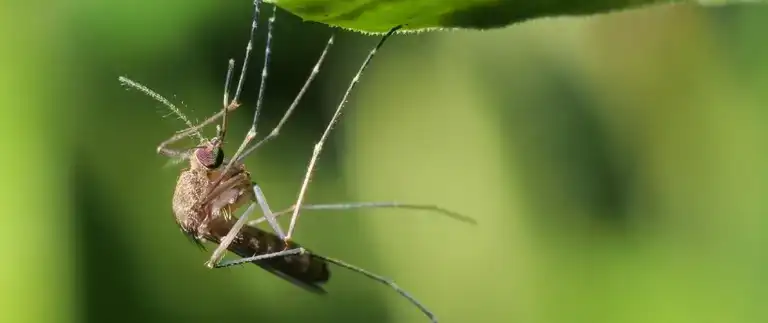
Pelican Bay is small and presses right up against the west shore of Eagle Mountain Lake, so nearly every yard in town is near water. That does not mean mosquitoes are hatching on your lot; it means the ones hatching nearby have a short flight and a lot of shady cover to spend the day in once they get here.
That cover is what we treat. The Mosquito, Flea & Tick program fogs shrubs, hedge lines, fence shade and boundary growth every 21 days from April through September, then treats turf and bed edges for the fleas and ticks that come with lake living. The whole city sits in 76020 and mails as Azle, which changes nothing about coverage or price.
PELICAN BAY NUMBERS
What a visit runs on a small lakeside lot
Lots here are mostly modest, which puts much of the town in the two cheapest rows: $49.95 a visit at 7,000 square feet or under, $59.95 from there to 12,000. A waterfront property with room around it steps up to $69.95, and that is the whole story on price.
There is no season figure to hand over in April, because each visit is billed as it happens — prepay nothing, cancel without a fee. If mosquitoes get ahead of the barrier between two scheduled stops, the return trip belongs to the warranty rather than to a new invoice.
7,000 sq ft or under
$49.95 a visit
Where much of the town lands
7,001 to 12,000 sq ft
$59.95 a visit
Standard for the larger lots here
12,001 to 17,000 sq ft
$69.95 a visit
Waterfront properties with room around them
Every number on this page comes from our published price list. Pelican Bay homes get the same table as everyone else; the instant quote reads your square footage and lot size and hands you your own line.
HONEST LIMITS
Where the money stops buying results
We cannot treat the lake, and every Pelican Bay homeowner should hear that before signing up. Reeds, shallow edges and boat slips turn out mosquitoes continuously, and nothing sprayed on your property changes what happens out there; your barrier clears the resting and breeding population on the ground you own.
Docks, sheds and woodpiles are the second limit. Water sitting inside a covered boat, in a bucket behind the shed or in the bottom of an upturned kayak makes adults in about a week, and a fog aimed at foliage does not touch larvae. We larvicide what cannot be drained and tell you what to empty; the emptying is yours.
Third, the barrier is a three-week product that fades, faster after a downpour. That is why visits come every 21 days instead of monthly, and why anybody quoting a single summer treatment for a Pelican Bay yard is selling three weeks of relief and a very long August.
PROGRAM VS GADGETS
Zappers, citronella and store bottles: what actually helps
Dumping standing water beats everything on this list, us included, and it is free. After that the honest ranking runs: a professional barrier on a 21-day cycle, then a fan blowing across the patio, then almost nothing. Zappers mostly kill moths, citronella moves mosquitoes a couple of feet, and ultrasonic gadgets do nothing at yard scale.
Hardware-store hose-end sprays sit in the middle: real product, but roughly five days of life in Texas heat and no way to coat the underside of a dense shrub. A Pelican Bay homeowner refilling a bottle weekly from May into September has already outspent $49.95 a visit, with far less of the yard actually covered.
THE FIRST FOG HERE
What the first appointment looks like
The shade inventory
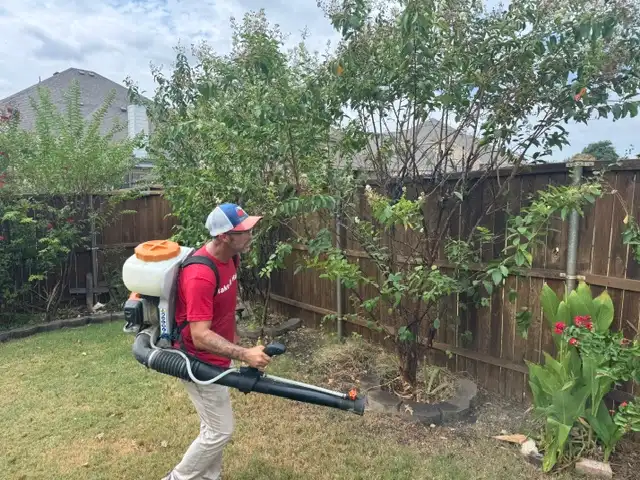
The technician walks the lot for daytime resting spots: the north side of the house, dense shrubs, fence corners, the shaded strip beside a shed or dock. On a small property it is a quick lap, and it decides where product goes.
Foliage first, lawn last
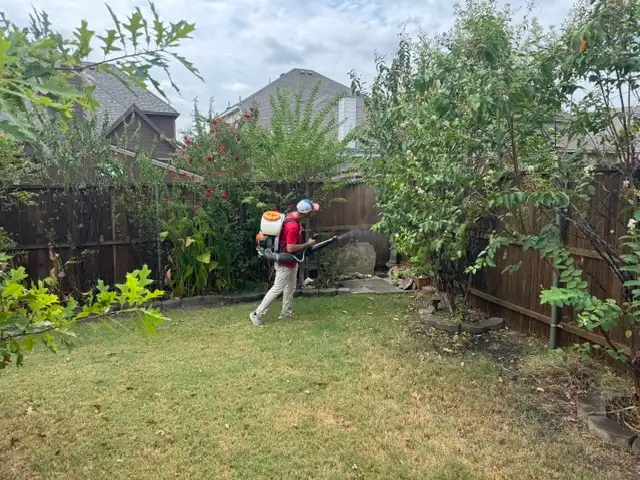
Ornamental trees, hedge lines, shrub beds and deck skirting take the fog, because that is where adults wait out the sun; open lawn is skipped deliberately. Turf and bed edges then get their own pass for fleas and ticks.

Water you can fix, water we treat
Boat covers, buckets, tarps, saucers and clogged gutters get pointed out and, where it is easy, emptied on the spot. Water we cannot drain, like a low spot that stays wet for days after a storm, gets larvicide instead.