Buffalo Outdoor · Owner, certified applicator TPCL #0822926 · 2026-08-18
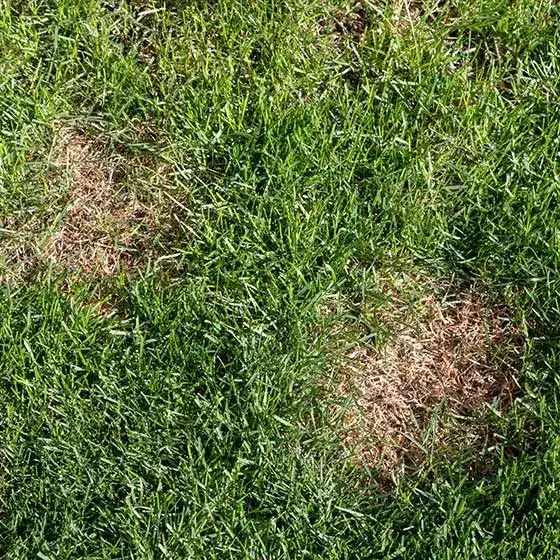
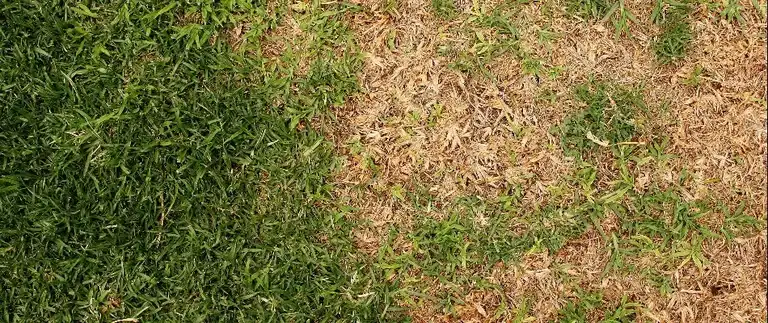
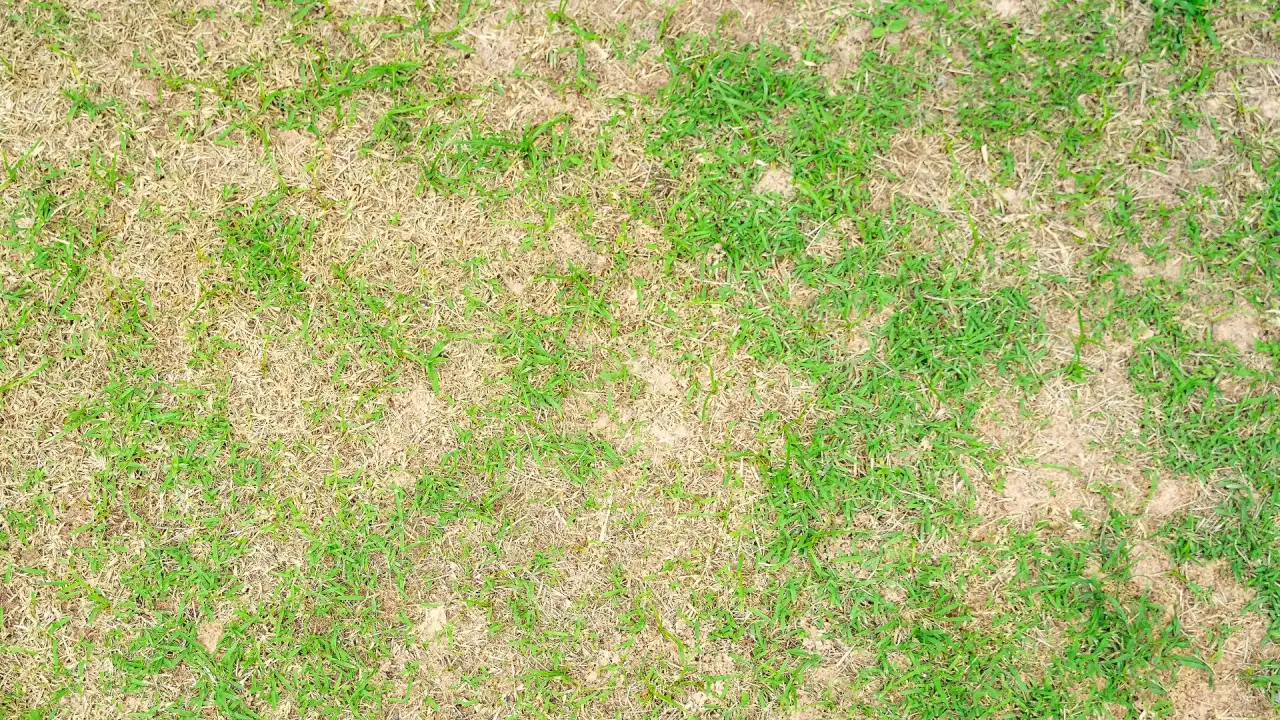
Fall armyworms arrive in North Texas in late summer, usually after a wet stretch, and feed in a moving front that can strip a lawn overnight. The earliest reliable sign is not the caterpillars, it is birds working the lawn hard in the morning.
What to look for at dusk
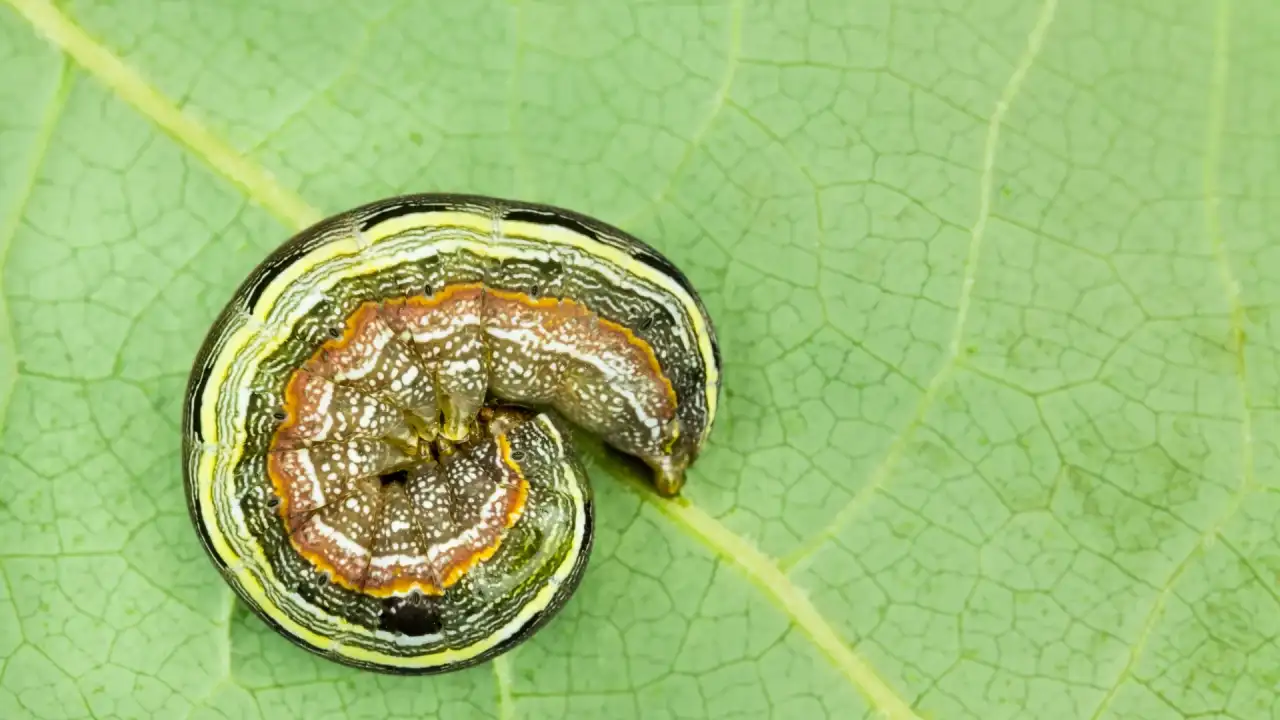
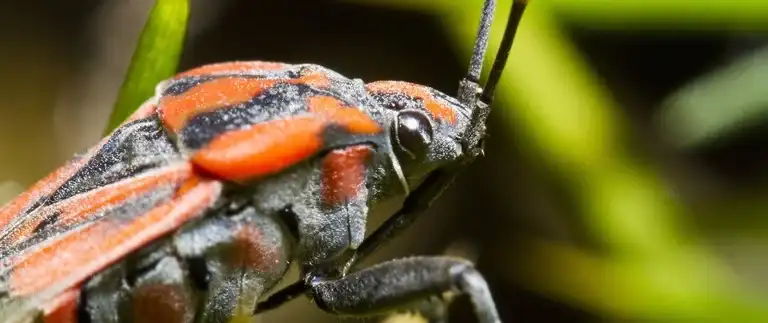
Armyworms feed mostly at dusk and dawn and hide down in the turf during the heat of the day. Go out at last light with a flashlight and part the grass at the edge of any thinning area. You are looking for green to brown striped caterpillars up to about an inch and a half with a pale inverted Y on the head.
The soap test
If you are not sure, mix a couple of tablespoons of dish soap into a gallon of water and pour it over a square yard of suspect turf. Anything living in the thatch comes to the surface within a few minutes. It is the fastest confirmation there is and it costs nothing.
Why speed matters more than with any other lawn pest
A heavy front can move across an entire lawn in one or two nights. Unlike chinch bugs or grubs, where you have days or weeks to respond, armyworms are a same-day call. Waiting for the next scheduled visit is how people lose a whole lawn.
Will it come back
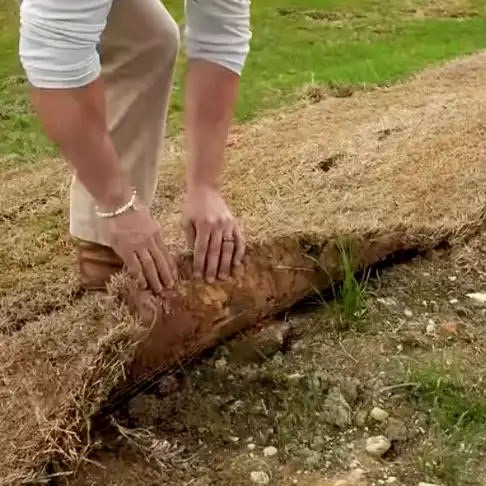
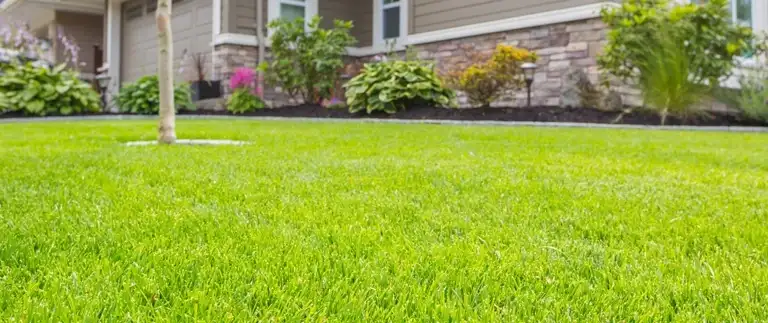
Usually yes, if the crowns and roots survived, which they normally do because armyworms eat the blade rather than the root. Bermuda recovers well with water and fertility. St. Augustine takes longer. What does not recover is turf that was already stressed going in.
TDA-licensed, up-front pricing, and service warrantied between treatments. Call or text (817) 984-8611.
Get my price