Buffalo Outdoor · Owner, certified applicator TPCL #0822926 · 2026-08-08
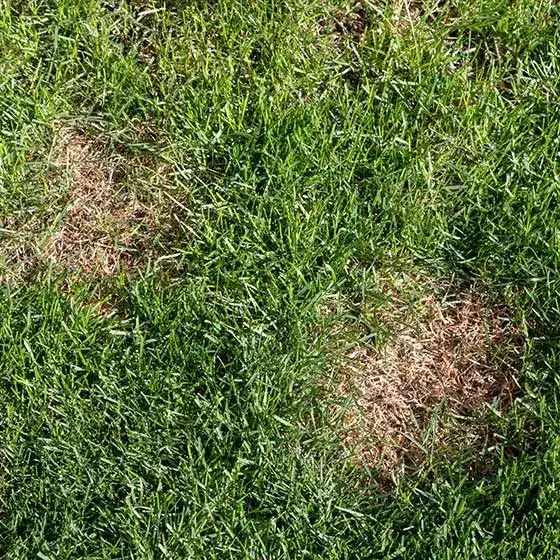
Young grubs in August are far easier to kill than large ones in October, because small larvae are more susceptible and are feeding actively near the surface. Scouting in late summer and treating then costs less and works better than reacting to visible damage in fall.
The size problem
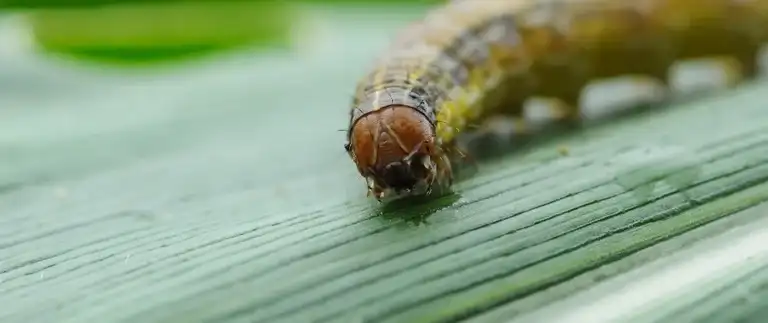
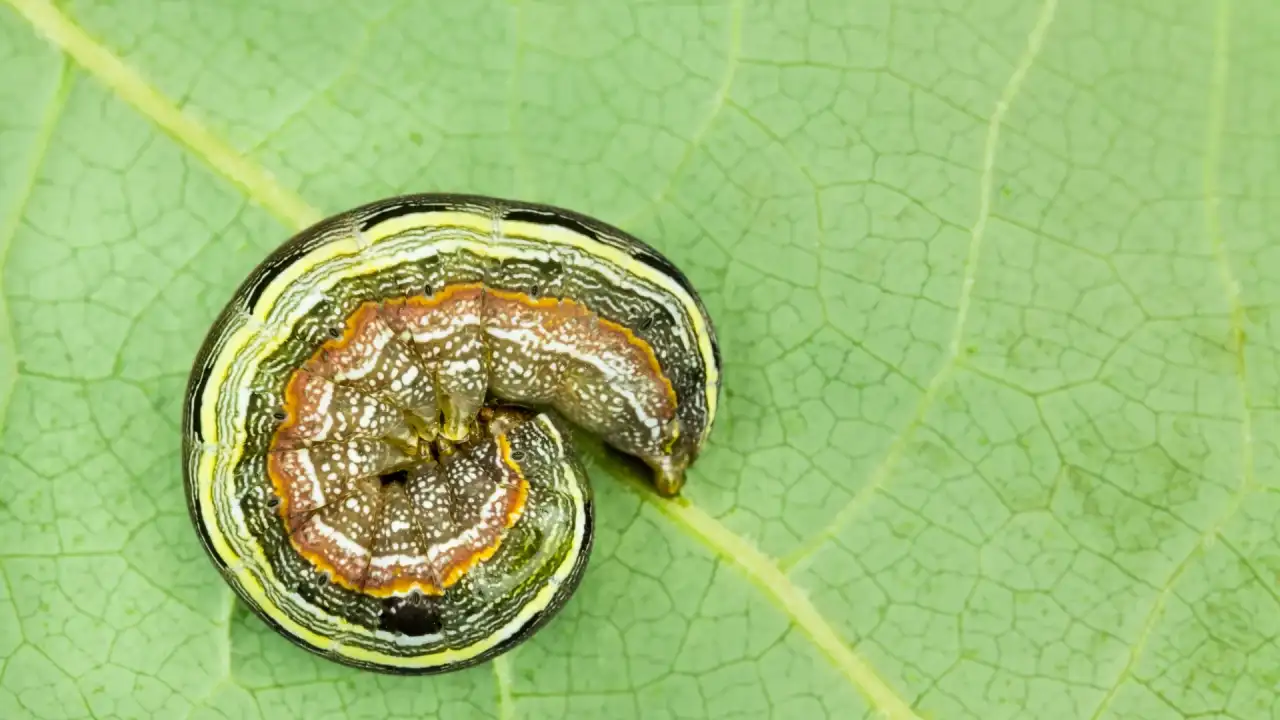
A newly hatched grub is small, soft and feeding near the surface. By October it is large, tougher, and moving deeper as soil cools. The same product at the same rate gives a much poorer result against the larger stage, which is why fall treatments disappoint people.
Scout rather than schedule
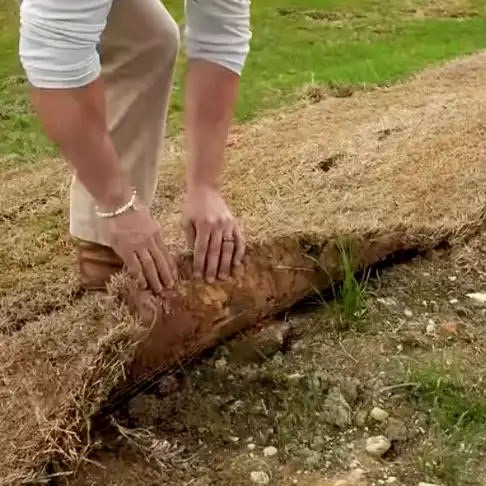
Beetle pressure varies genuinely from year to year, so blanket preventive treatment every August is often unnecessary. Do the tug test in late summer and count. Under five grubs per square foot, healthy turf tolerates them. Above that, treat.
Water it in
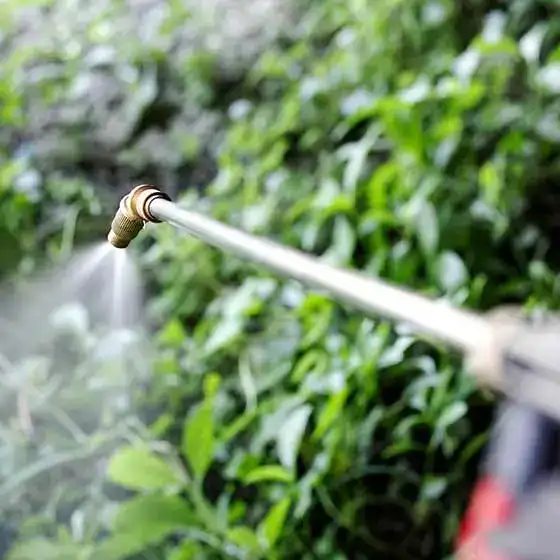
Grub products have to reach the root zone, which means irrigating after application. A treatment left sitting on the surface does very little. If we treat and you are on watering restrictions, tell us, because timing around that matters.
What October treatment is actually for
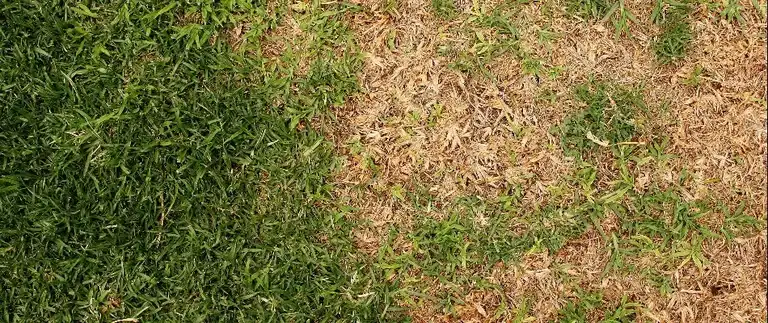
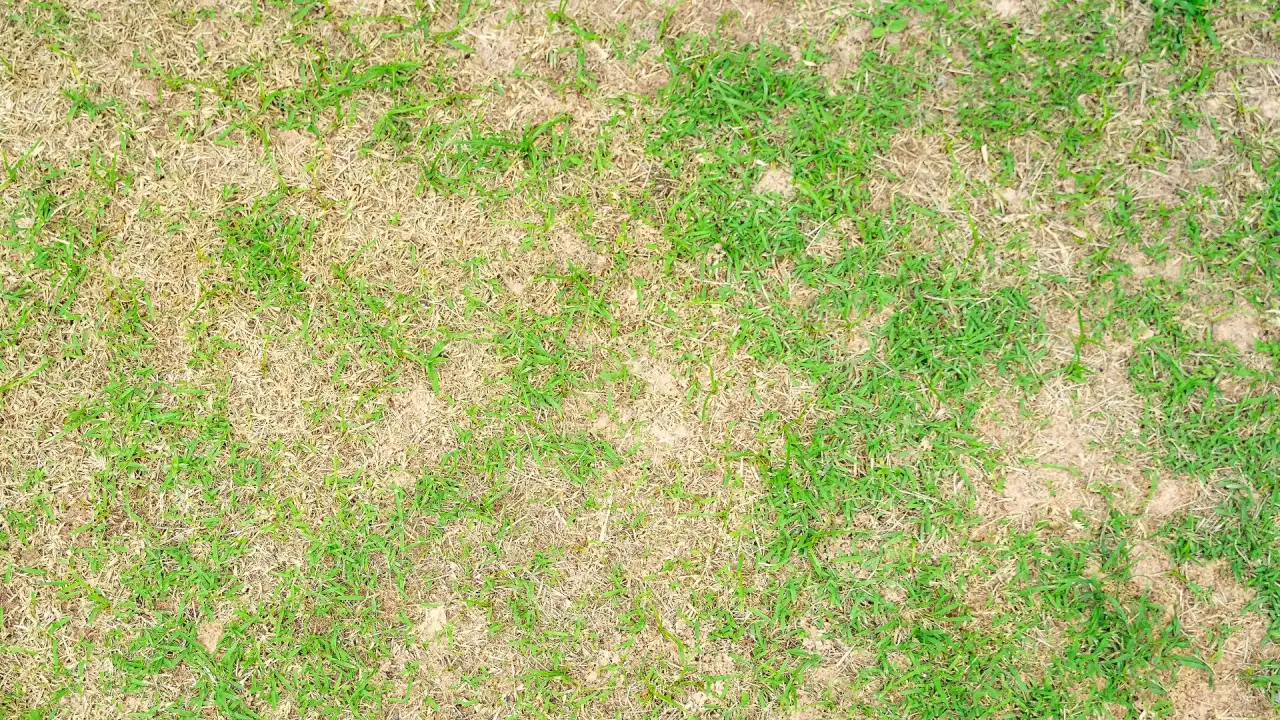
If you have missed the window and the damage is active, treatment still has value in reducing the population going into next season and stopping further root loss. Just do not expect the dramatic result an August application would have produced.
TDA-licensed, up-front pricing, and service warrantied between treatments. Call or text (817) 984-8611.
Get my price