Buffalo Outdoor · Owner, certified applicator TPCL #0822926 · 2026-07-16
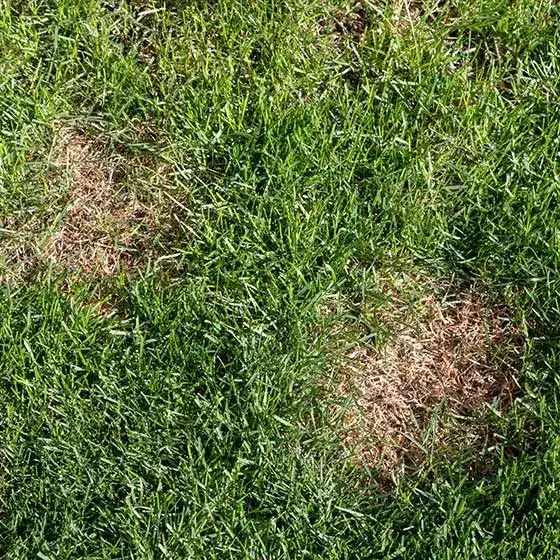
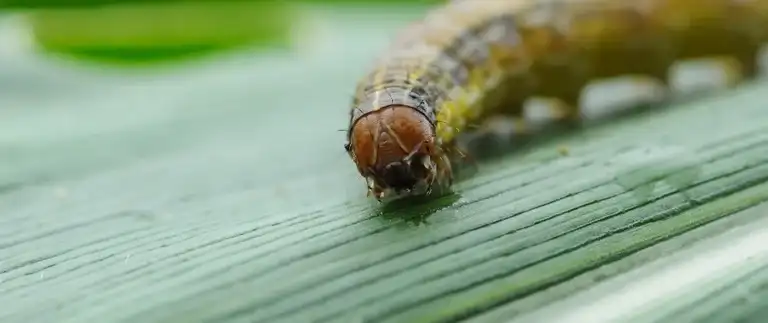
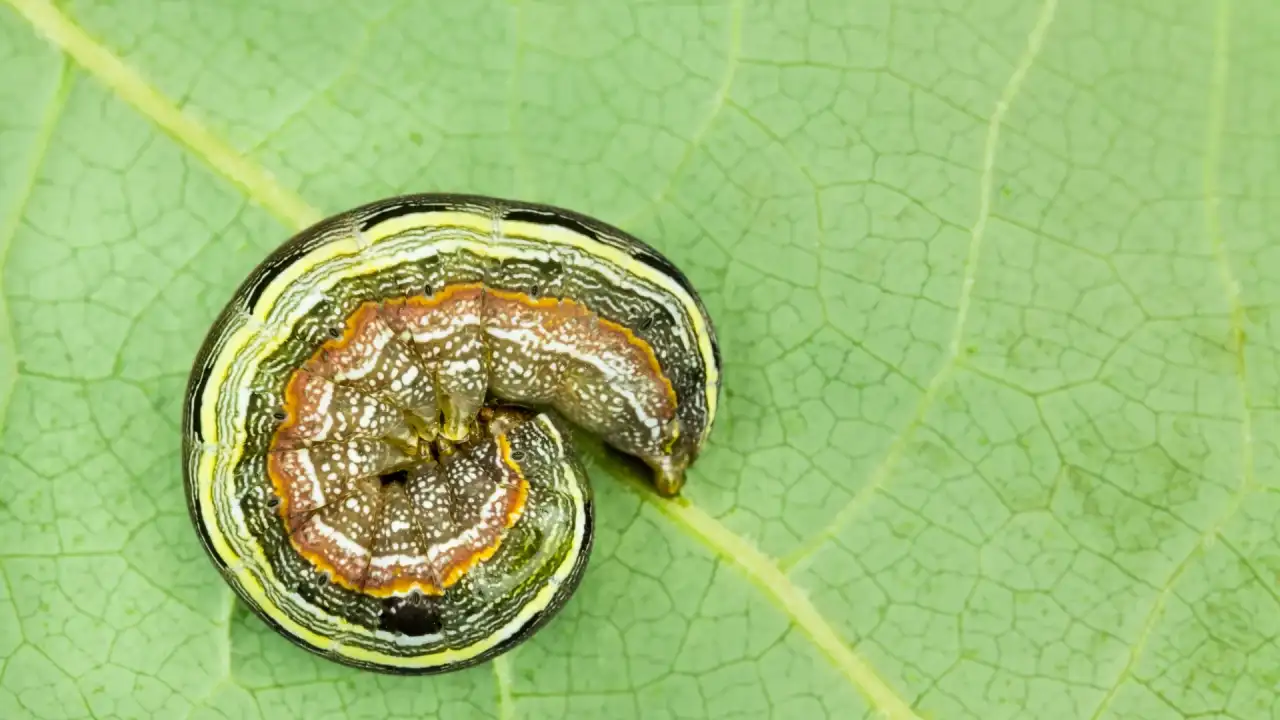
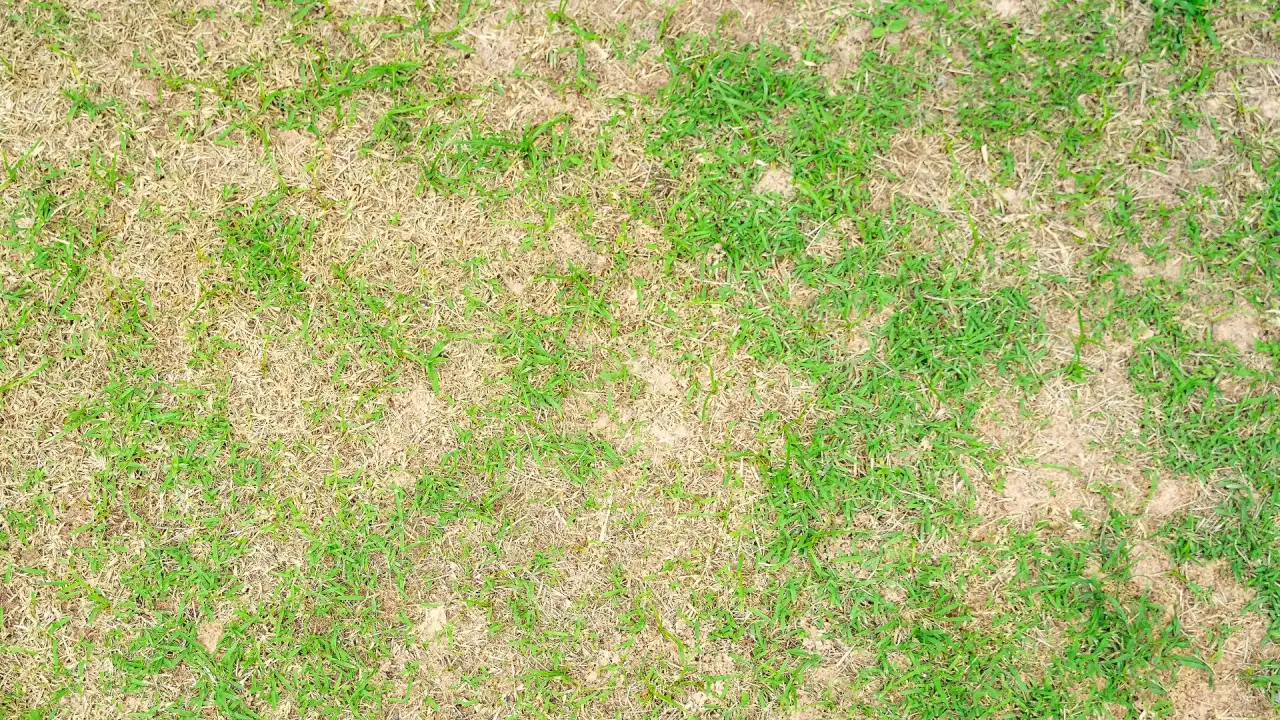
Brown patches in a North Texas July have four common causes: watering problems, heat stress, fungal disease and insects. They need different responses, so ruling them out in the right order saves both money and lawn. Start with water, because it is free to check.
Step one: rule out water
Put a few tuna cans on the lawn and run a normal cycle. If you are applying less than about an inch a week in July you have a watering problem, not a pest. Deep infrequent watering beats short daily cycles, which encourage shallow roots and make everything else worse.
Step two: look at where the damage is
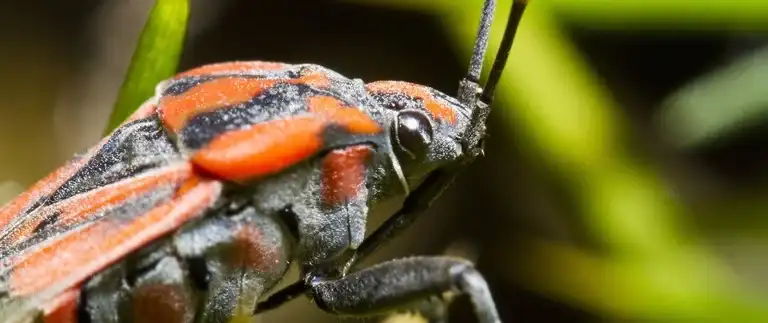
Chinch bug damage starts along driveways, sidewalks and street strips, the hottest driest ground. General heat stress shows up on slopes and south-facing areas. Disease often appears as roughly circular patches with a distinct margin. Grub damage can be anywhere and feels spongy.
Step three: run the two field tests
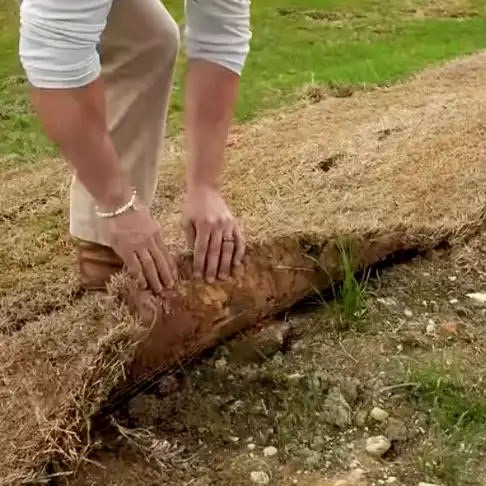
The tug test for grubs: pull at the edge of a patch and see whether it lifts with no root resistance. The float test for chinch: a bottomless coffee can pushed into the soil at the damage edge and filled with water floats them up. Both are free and take minutes.
Step four: consider disease
If watering is right, the tests are negative and the patches have defined edges or a distinctive pattern, you are likely looking at a fungal issue such as brown patch or gray leaf spot. That needs a fungicide and cultural changes, not an insecticide, and applying the wrong one wastes the season.
When to call
If the tests come up positive, or if you have ruled out watering and still cannot tell, get an inspection before buying product. Misdiagnosis is the genuinely expensive outcome here, because you pay for the wrong treatment and lose the weeks it takes to find out.
TDA-licensed, up-front pricing, and service warrantied between treatments. Call or text (817) 984-8611.
Get my price