Buffalo Outdoor · Owner, certified applicator TPCL #0822926 · 2026-08-25
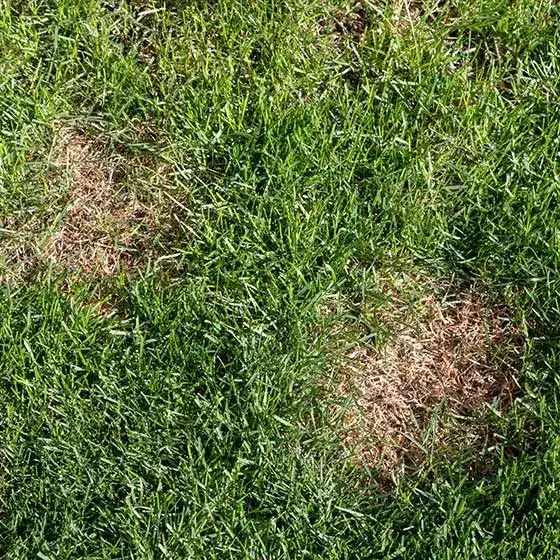
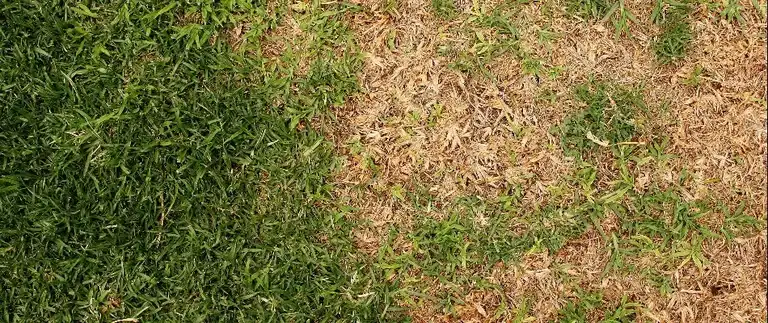
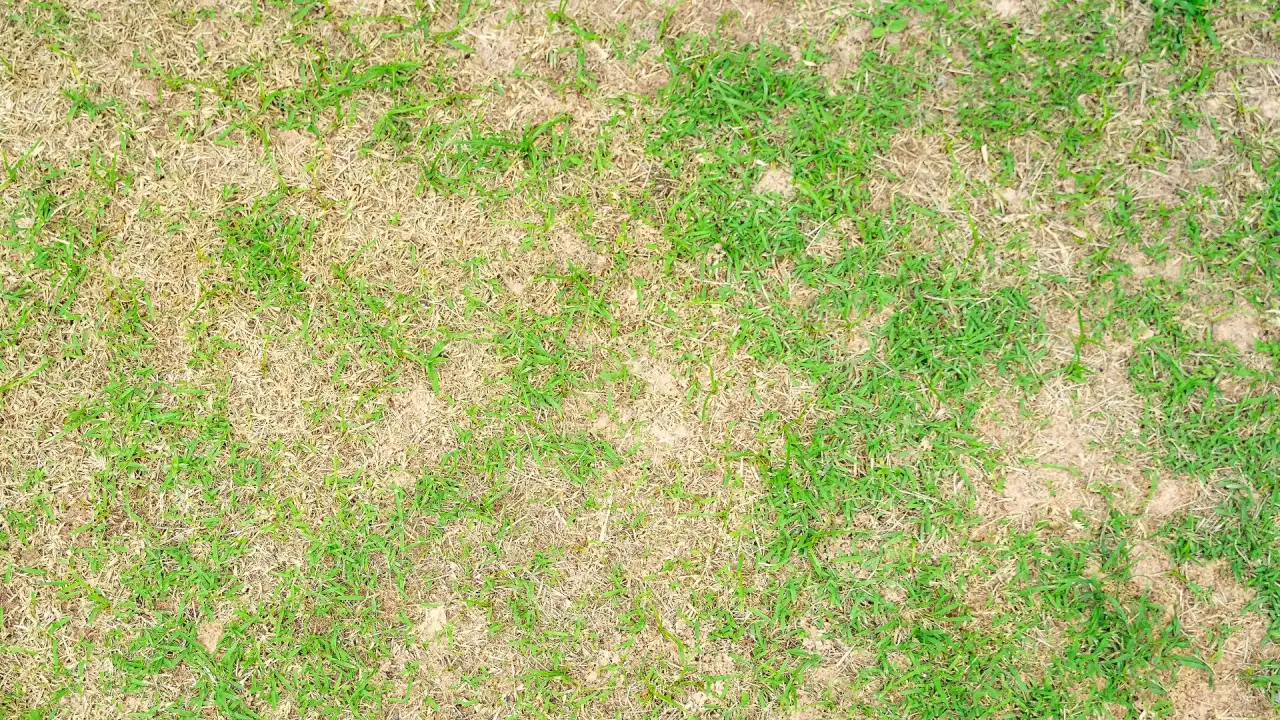
Grab the grass at the edge of a brown patch and pull straight up. Healthy turf resists and tears. Grub-damaged turf lifts away in a sheet with no root resistance, because the roots have been eaten. More than five grubs per square foot is a treatable population.
Doing the test properly
Work at the edge of the damage, not the dead middle. Take a good handful and pull steadily upward. If it comes away like a rug, peel back about a square foot and look at the soil underneath. Count what you find.
What you are counting
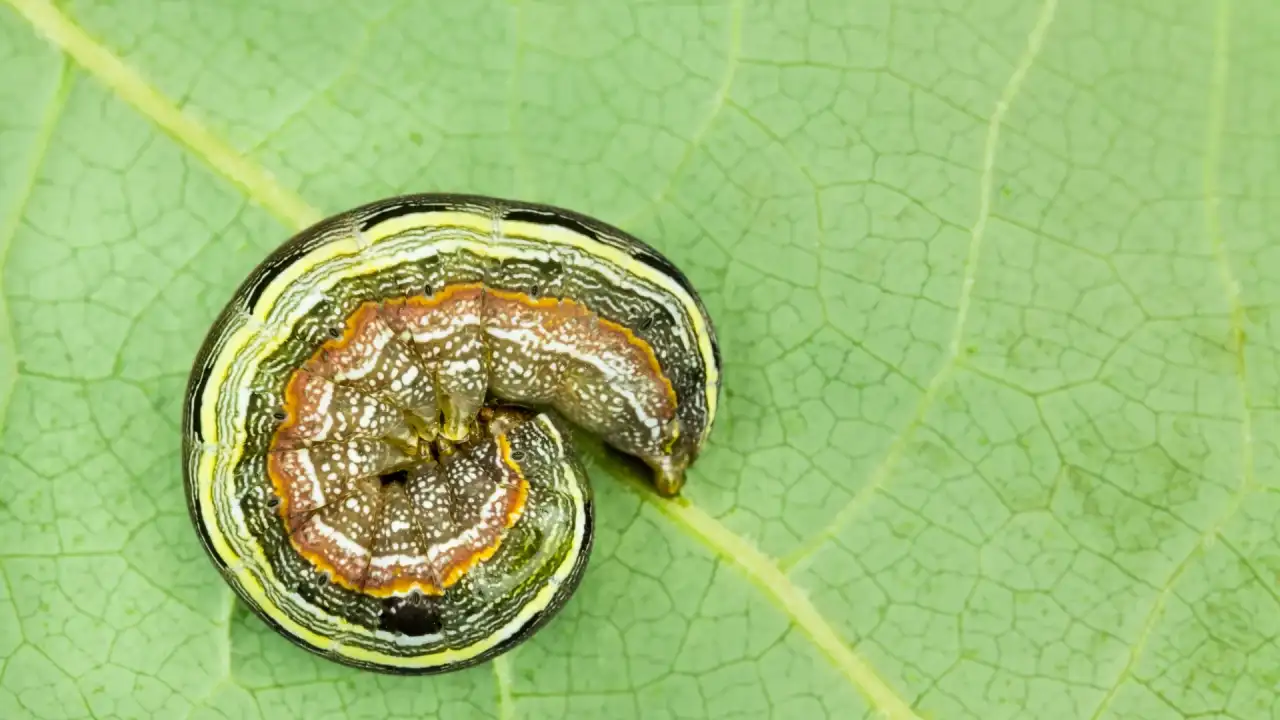
White to cream C-shaped larvae with brown heads and visible legs near the front, usually half an inch to an inch long. Under five per square foot is generally tolerable for healthy turf. Above that, the root loss outpaces what the grass can regrow.
Reading the secondary signs
Birds working the lawn hard, or armadillos and skunks digging it up overnight, means something worth eating is under there. That digging often does more visible damage than the grubs themselves, and it is the reason a lot of people finally call.
Timing is the whole game
Young grubs in August are far easier to kill than large ones in October. Scouting in late summer, when the tug test is easy and the population is small, is dramatically cheaper than reacting in fall. Treatment also has to be watered in to reach the root zone where they live.
TDA-licensed, up-front pricing, and service warrantied between treatments. Call or text (817) 984-8611.
Get my price