Buffalo Outdoor · Owner, certified applicator TPCL #0822926 · 2026-06-11
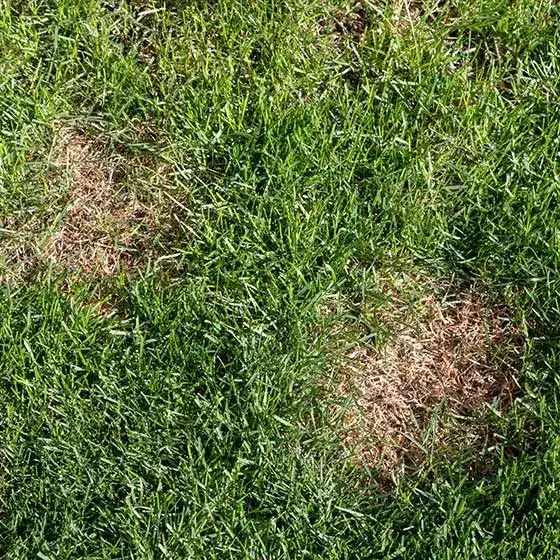
St. Augustine takes noticeably more chinch bug damage, because chinch bugs strongly prefer it and its dense thatch suits them. Bermuda takes more armyworm damage, because armyworms prefer well-fertilized Bermuda. Grubs damage both equally, since they eat roots rather than blades.
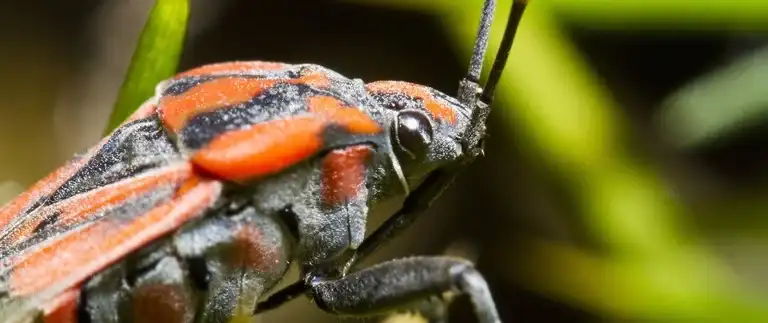
St. Augustine and chinch bugs
Chinch bugs prefer St. Augustine and thrive in the thick thatch it builds. That combination is why most North Texas chinch calls come from St. Augustine lawns, particularly young builder-laid turf in newer subdivisions where the grass is thin and shallow-rooted.
Bermuda and armyworms
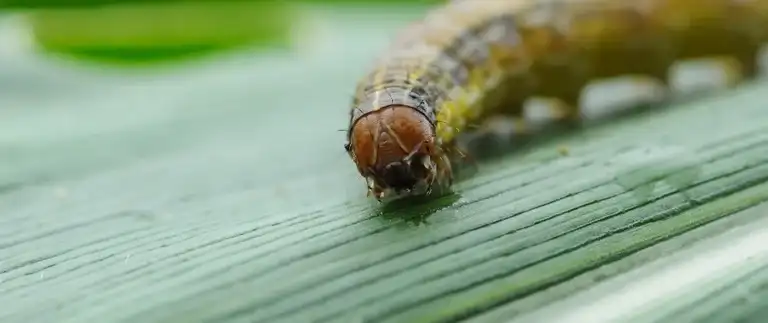
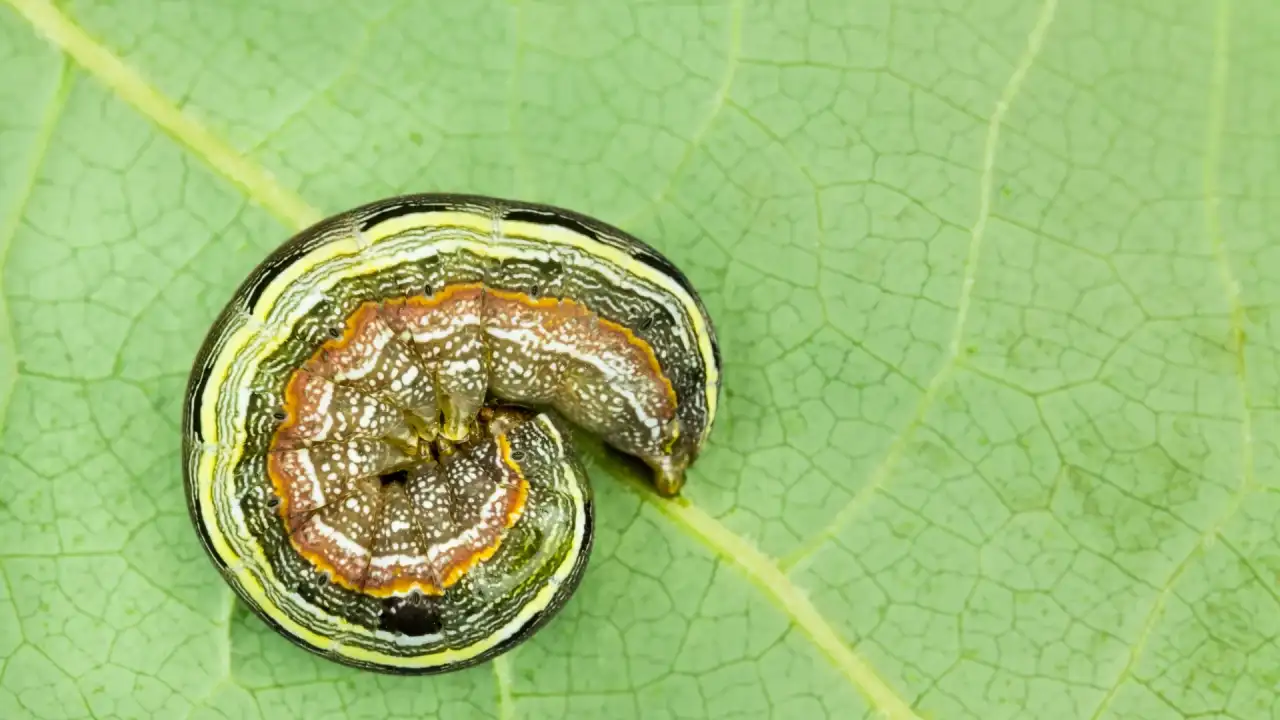
Armyworms favour lush, well-fertilized Bermuda, which means the best-kept lawn on the street often gets hit first. It is a genuinely unfair outcome and one of the more frustrating things to explain to a homeowner who has done everything right.
Grubs do not care
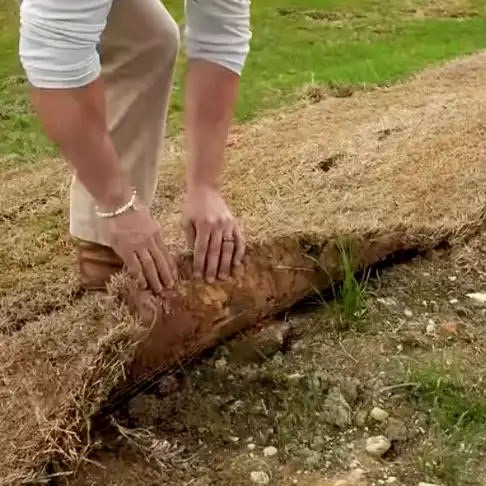
Grubs eat roots, so grass type matters far less than soil moisture. Well-irrigated lawns of either type are more attractive to egg-laying beetles than dry ones, which again penalises the person watering properly.
Using this to narrow the diagnosis
If you have St. Augustine and the damage starts along the driveway and does not respond to water, look at chinch bugs first. If you have Bermuda and it looked fine yesterday, look for armyworms tonight. If either type feels spongy and lifts, do the tug test for grubs. Knowing your grass type does a surprising amount of diagnostic work before anyone gets out of the truck.
TDA-licensed, up-front pricing, and service warrantied between treatments. Call or text (817) 984-8611.
Get my price