Buffalo Outdoor · Owner, certified applicator TPCL #0822926 · 2026-07-02
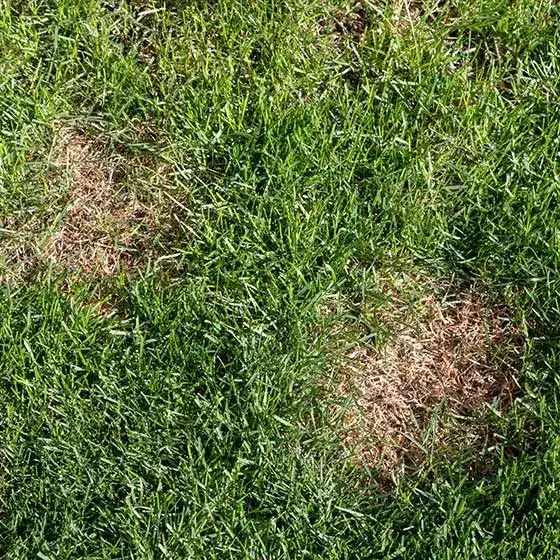
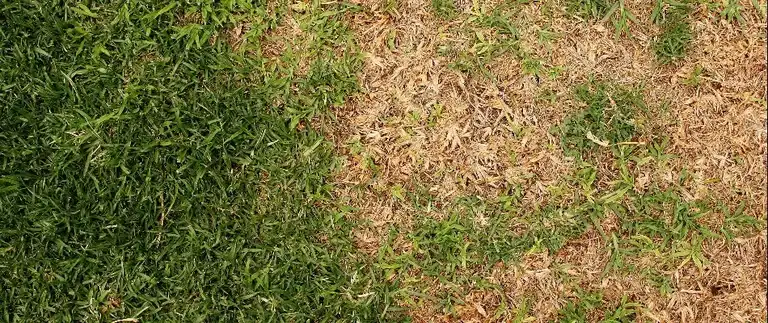
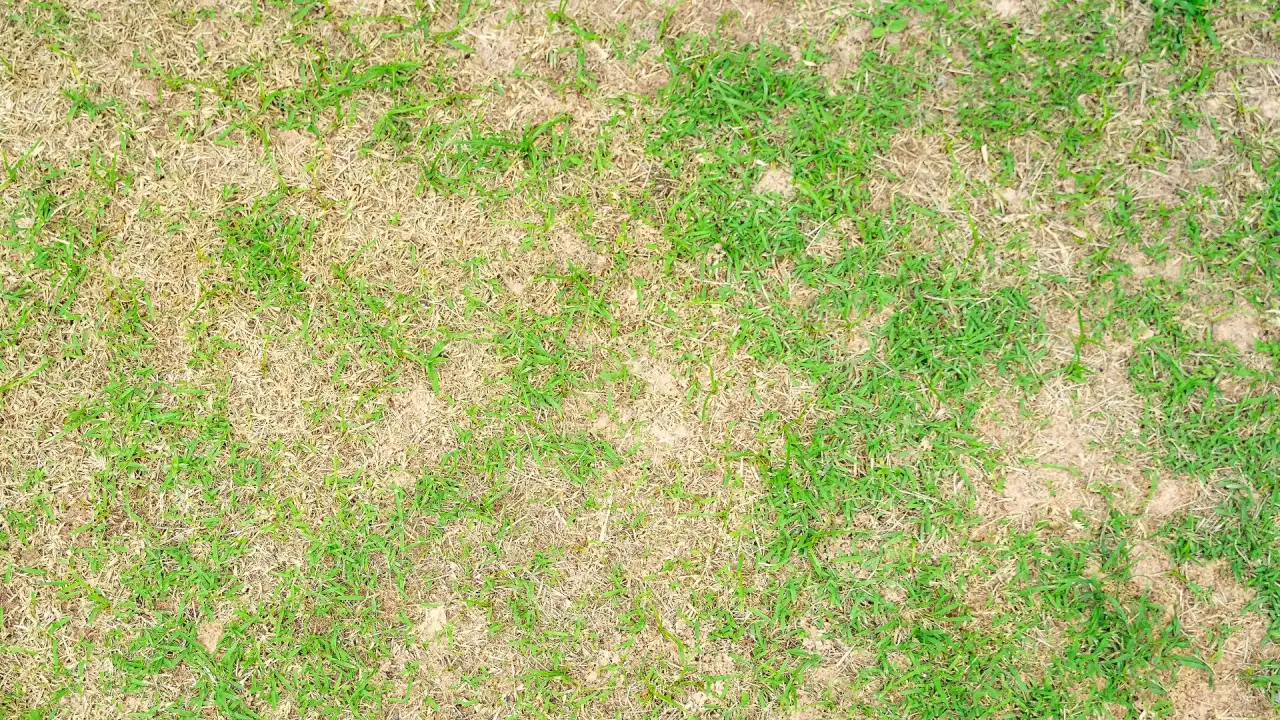
Chinch bug damage shows up in North Texas in July and August, starting along driveways, sidewalks and street strips where radiant heat makes the turf hottest and driest. St. Augustine is hit hardest, and newer subdivisions with young builder-laid turf are the most vulnerable of all.
Why the driveway strip goes first
Concrete radiates heat into the adjacent turf, making that band several degrees hotter and noticeably drier than the middle of the lawn. Chinch bugs prefer exactly those conditions, so the first damage almost always appears as a scorched-looking margin along hard surfaces.
The drought lookalike problem
Chinch bugs inject a toxin that blocks water movement inside the plant, so the grass shows every symptom of drought stress while being adequately watered. Homeowners respond by watering more, the symptoms do not improve, and the population grows through the whole misdiagnosis.
The float test settles it
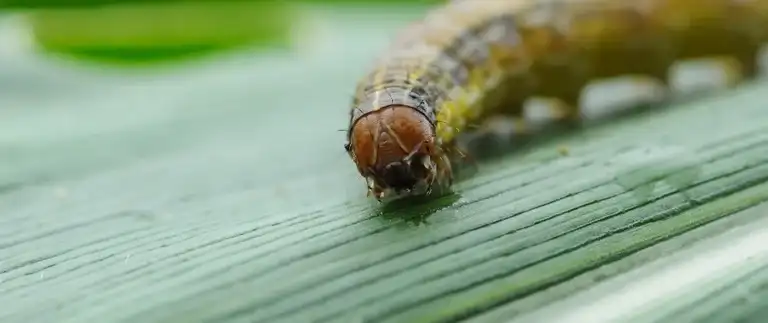
Cut both ends out of a coffee can, push it two inches into the soil at the edge where green turns brown, and fill it with water. Keep it topped up for about ten minutes. Chinch bugs float to the surface. It takes ten minutes and it is the difference between treating an insect and paying a water bill.
Why new lawns suffer most
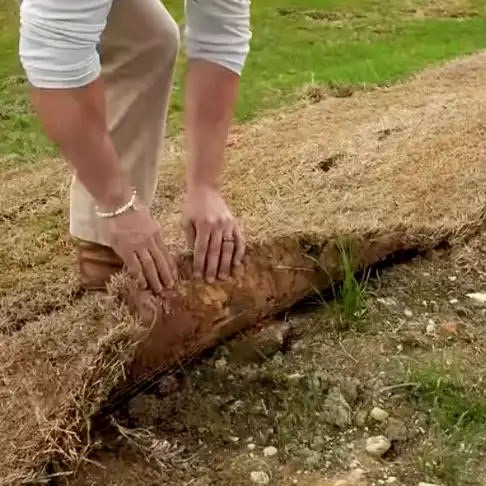
Builder-laid St. Augustine is shallow-rooted and thin for its first couple of seasons, which makes it both more attractive and less able to tolerate feeding. Haslet and north Keller, where most of the housing is recent, produce a disproportionate share of our chinch calls.
TDA-licensed, up-front pricing, and service warrantied between treatments. Call or text (817) 984-8611.
Get my price