Buffalo Outdoor · Owner, certified applicator TPCL #0822926 · 2026-08-10
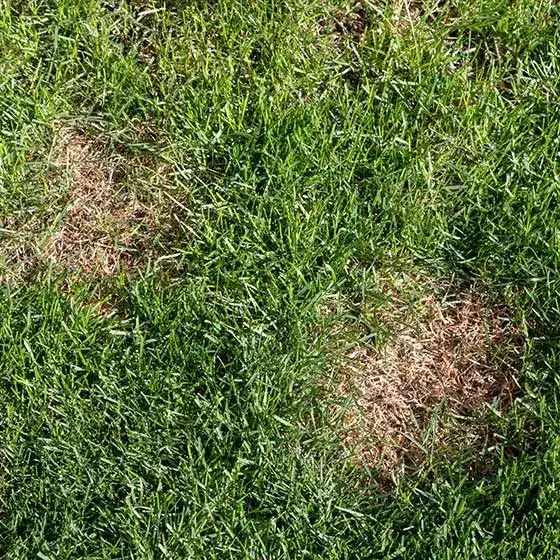
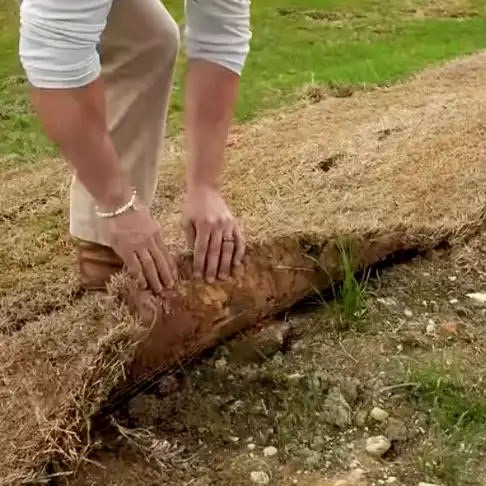
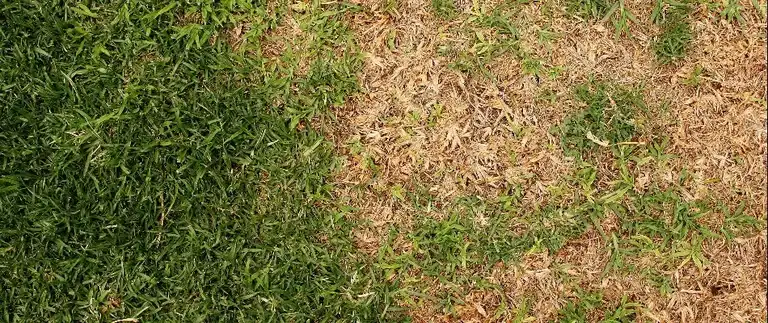
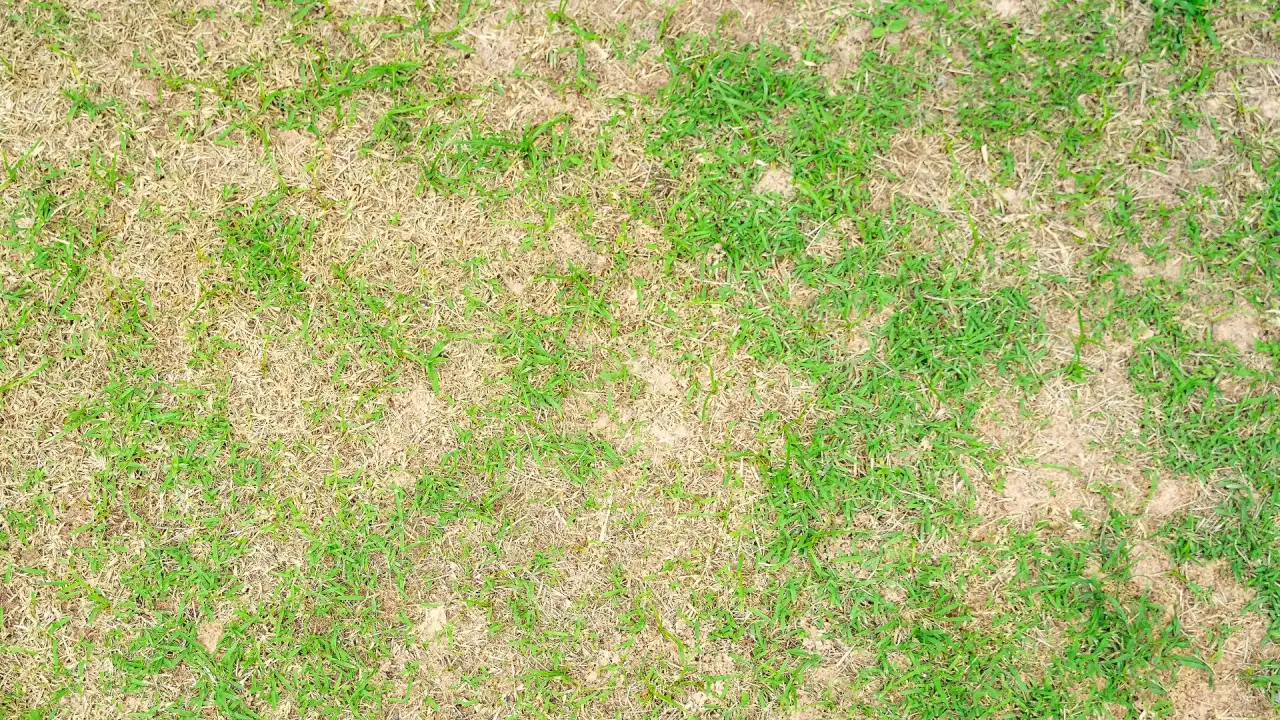
Chinch bug damage looks like drought and shows up in sunny, dry spots along driveways and sidewalks. Grub damage shows up as spongy patches that peel back like loose carpet because the roots are gone. The tug test tells them apart in about ninety seconds.
Every July we get the same call. Brown patches, homeowner has been watering harder for two weeks, and the lawn keeps getting worse. Watering harder is the reasonable thing to do and it is exactly wrong if you have insects, because you are spending money on water while the population keeps growing.
What chinch bug damage looks like
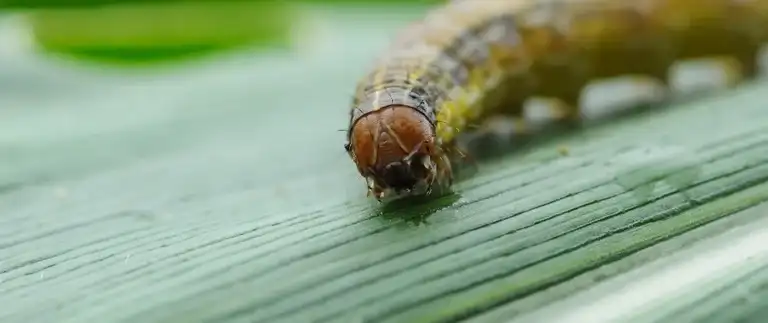
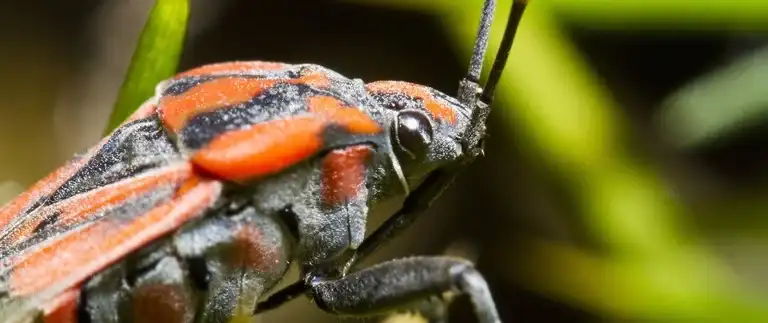
Chinch bugs feed on grass blades and inject a toxin that stops water moving through the plant. The result mimics drought stress almost perfectly, which is why it fools people. Patches start in the hottest, driest parts of the lawn, right along concrete. The grass turns yellow, then straw brown, and does not green back up when you water more. It is worst in St. Augustine, and North Texas has a lot of young St. Augustine in newer subdivisions.
What grub damage looks like
Grubs are beetle larvae and they eat roots from underneath. Different mechanism, different symptom. Grub-damaged turf feels spongy underfoot and lifts away in a sheet, because there is nothing anchoring it. You will also often see secondary damage: birds, skunks, or armadillos tearing up the lawn to get at the grubs.
The two field tests
The tug test, for grubs. Grab a handful of grass at the edge of a brown patch and pull straight up. Healthy turf resists and tears. Grub-damaged turf lifts like a rug with no root resistance at all. Peel back a square foot and count: more than five white C-shaped larvae in that square foot is a treatable population.
The float test, for chinch bugs. Cut the bottom out of a coffee can, push it two inches into the soil at the edge of a green-to-brown transition, and fill it with water. Keep it topped up for about ten minutes. Chinch bugs float to the surface.
Why the distinction matters for treatment
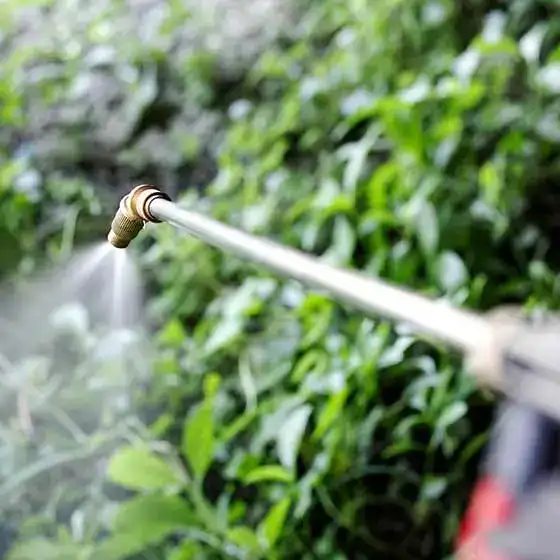
Chinch bugs live in the thatch layer at the soil surface, so treatment targets that surface layer. Grubs live two to four inches down at the root zone, so the product has to be watered in to reach them, and timing matters. Apply the wrong one at the wrong depth and you have paid for a treatment that will not work.
If your field test comes up positive, or if you cannot tell which it is, get an inspection before you buy product. Misdiagnosis is genuinely the expensive outcome here. See how our lawn insect control works.
TDA-licensed, up-front pricing, and service warrantied between treatments. Call or text (817) 984-8611.
Get my price