Buffalo Outdoor · Owner, certified applicator TPCL #0822926 · 2026-06-25
Lawn insecticides fall into three broad groups: contact products that kill what they touch, systemic products absorbed by the plant, and growth regulators that stop insects developing. Which one is right depends less on the brand and more on where in the soil profile the insect lives.
Contact products
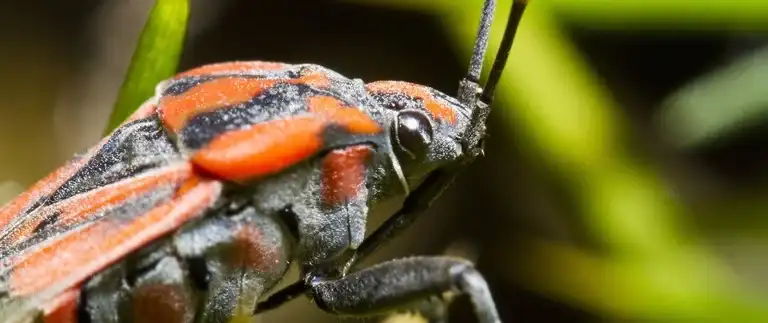
These kill on contact and shortly after, and they stay near where they land. That makes them right for surface-dwelling insects like chinch bugs living in the thatch layer, and it makes them nearly useless against something four inches down. They also break down fastest under Texas sun.
Systemic products
Absorbed by the plant and moved through its tissue, so an insect feeding on the grass gets a dose. Useful for sustained protection, slower to act, and the reason a treatment can keep working after the surface residue has gone.
Growth regulators
Rather than killing adults, these interrupt development so larvae never mature. They are slower and they are excellent in a program because they suppress the next generation rather than just the current one. Flea programs lean on them heavily.
Why depth decides everything
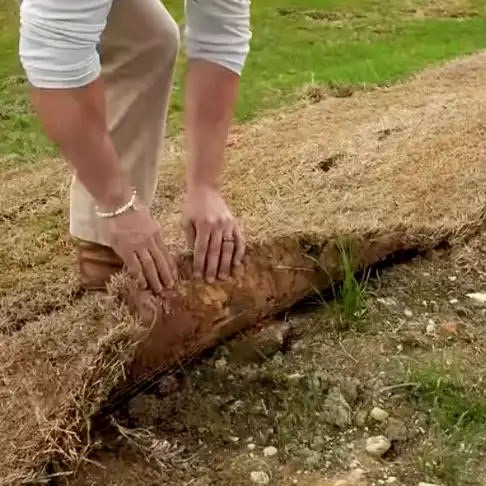
Chinch bugs sit in the thatch, so their treatment is applied to the surface and works best when the turf is not saturated. Grubs sit two to four inches down at the root zone, so their treatment must be watered in to travel. Apply either at the other one's depth and you have paid for nothing, which is the single most common reason a homeowner's treatment fails.
What a license actually adds
A licensed applicator is trained on label rates, timing and the interaction between product and turf condition. That is mostly what separates a treatment that works from the same active ingredient bought at a store and applied at the wrong time, at the wrong rate, to the wrong depth.
TDA-licensed, up-front pricing, and service warrantied between treatments. Call or text (817) 984-8611.
Get my price