Buffalo Outdoor · Owner, certified applicator TPCL #0822926 · 2026-08-04
August and September carry the highest West Nile risk of the year in Tarrant County, and they are the months most homeowners quit treating because they are tired of summer. Stopping in August gives up the part of the season that matters most for health rather than comfort.
The risk curve does not match the annoyance curve
Mosquito bites feel worst in May and June, when the population explodes after spring rain. West Nile risk peaks later, in the hot back half of summer, because the virus needs time to amplify in bird and mosquito populations. The two curves are offset, and people budget for the first one.
What changes in late summer
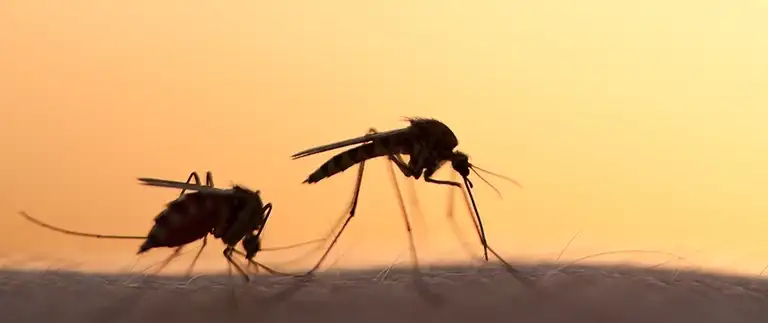
The southern house mosquito, which is the main West Nile carrier here, does well in the stagnant, warm, nutrient-rich water that late summer produces. Storm drains, neglected pools and forgotten containers are better habitat in August than they were in May.
Why the last treatments are the cheapest insurance
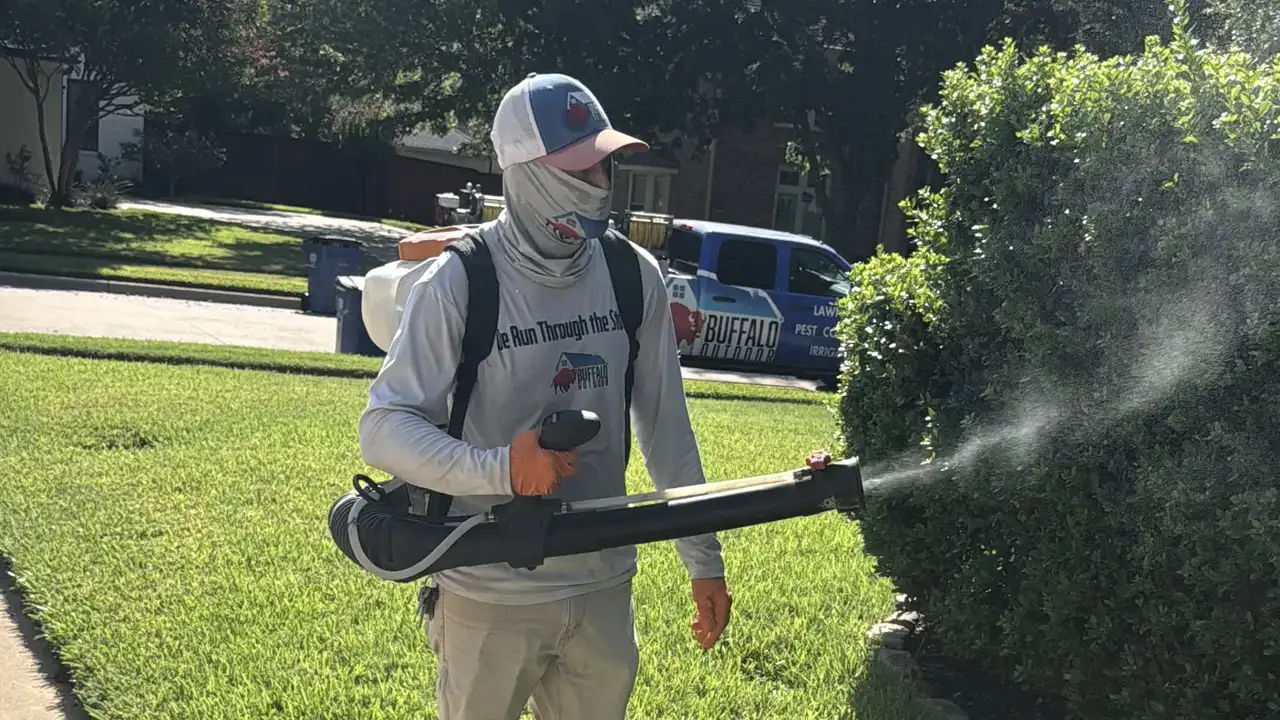
By August you have already paid for most of the season. The final visits cost the same as the first ones and cover the highest-risk weeks. Cancelling in August is the equivalent of taking the last two chapters out of a book you already bought.
What to keep doing through September
Keep emptying containers weekly, keep the treatments on schedule, and use repellent at dusk if you are outside. In most years North Texas mosquito activity does not really stop until nighttime temperatures hold below fifty, which is usually late October.
TDA-licensed, up-front pricing, and service warrantied between treatments. Call or text (817) 984-8611.
Get my price