Buffalo Outdoor · Owner, certified applicator TPCL #0822926 · 2026-05-12
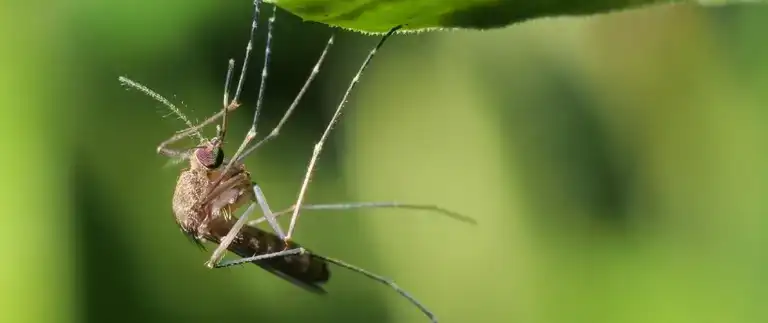
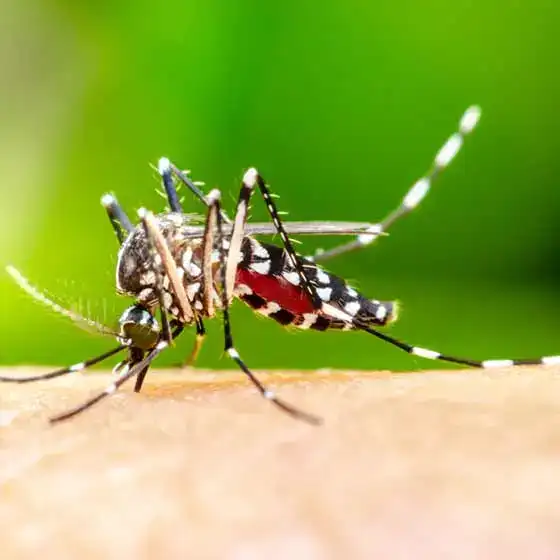
Mosquitoes spend daylight hours resting in cool, shaded, humid places: the undersides of dense shrubs, ornamental beds, fence lines, deck skirting and the shaded north side of the house. Treating the open lawn misses nearly all of them, which is why coverage matters more than volume.
The two percent rule
On a typical suburban lot, the places mosquitoes will tolerate during the heat of a Texas afternoon add up to a very small share of the property. It is the dense, shaded, damp two percent. Find that and you have found the population.
The list, in order
- Under and inside dense shrubs and hedges, especially the lower interior
- Ornamental beds with heavy mulch that stays damp
- Fence lines, particularly wood fences on the shaded side
- Deck skirting and the space under low decks
- The north side of the house, which never gets full sun
- Tall grass and unmown edges
Why this changes the treatment
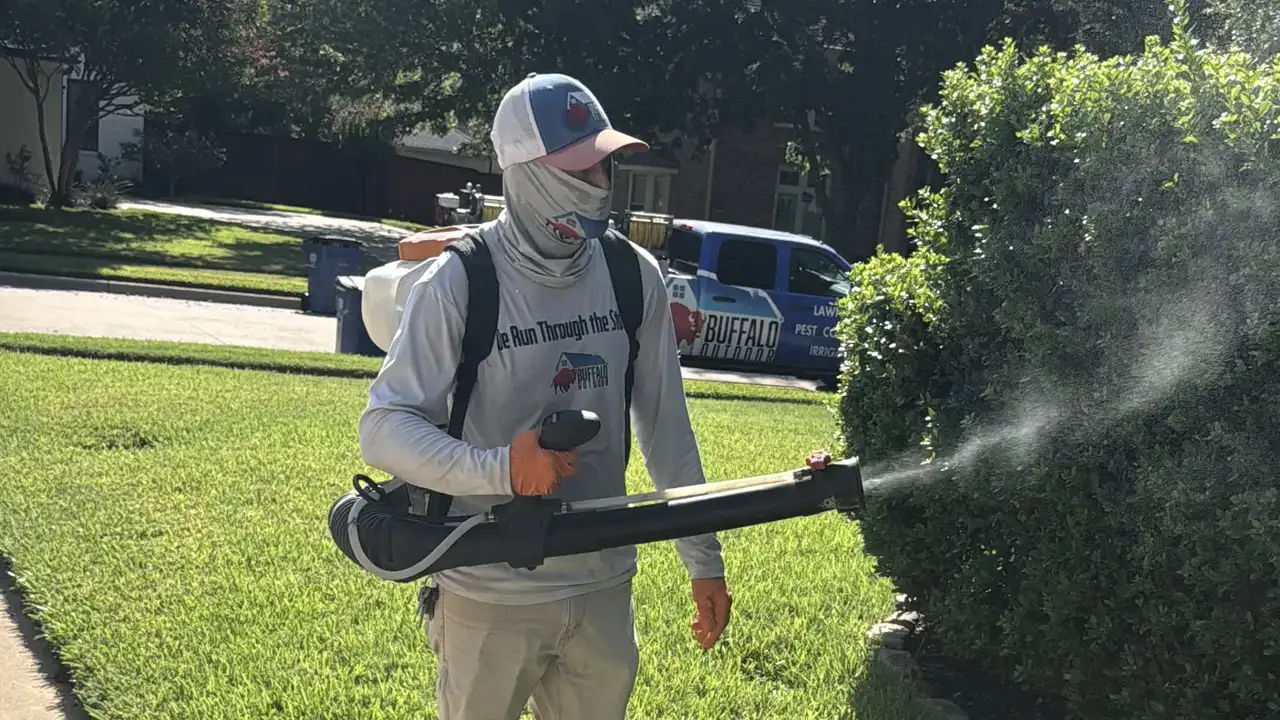
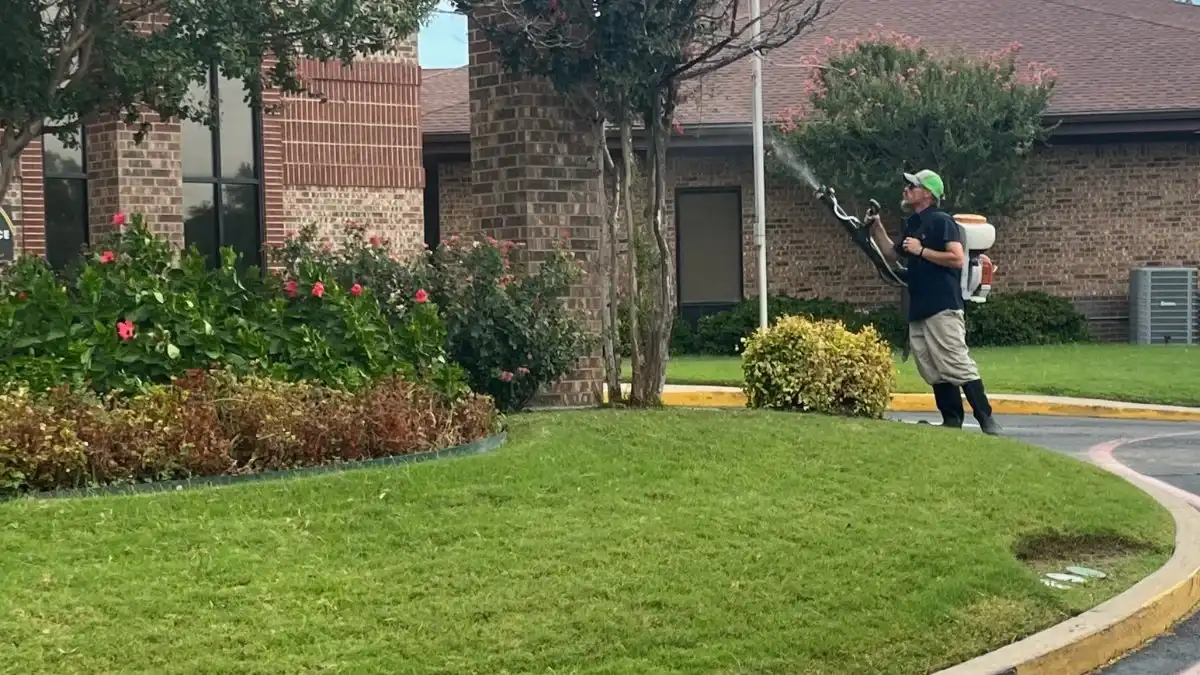
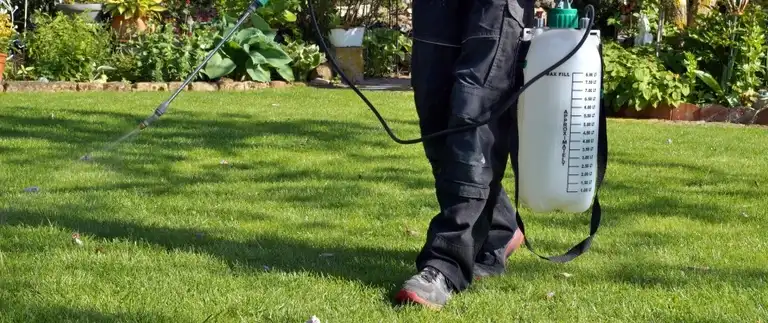
A technician who walks the property and fogs those specific surfaces gets a dramatically better result than one who walks the perimeter with the wand pointed at the grass. It also means a tidy, sunny, open yard genuinely needs less treatment than a heavily landscaped shaded one, which is part of why Southlake lots price differently from Saginaw lots.
What you can change
Thinning dense shrubs and pulling mulch back from the wettest beds reduces the resting habitat permanently. You do not have to remove the landscaping you like. Opening it up so air and light get through is usually enough to move the needle.
TDA-licensed, up-front pricing, and service warrantied between treatments. Call or text (817) 984-8611.
Get my price